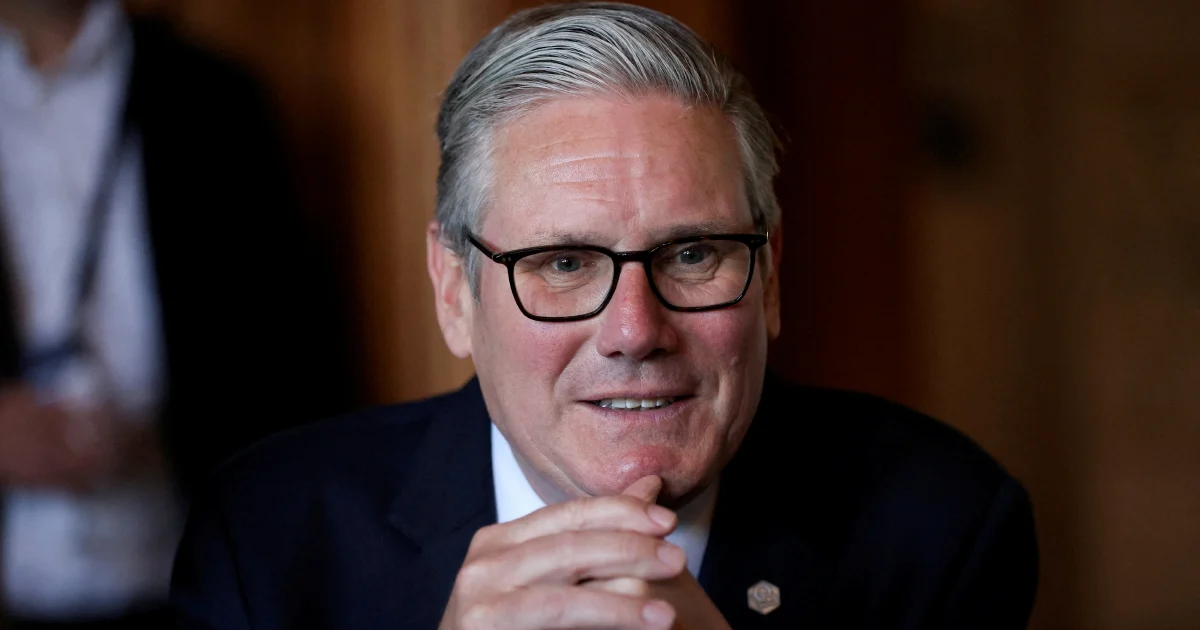
Prime Minister Keir Starmer finds himself at the centre of intense speculation about his political future, with British media outlets reporting imminent plans for his resignation while his government moves swiftly to contain the narrative. The Observer newspaper claimed on the weekend that Starmer would announce his departure on Monday and outline a succession timeline, triggering fresh waves of uncertainty about the stability of his Labour government and raising questions about the direction of British politics at a critical moment.
However, sources within the Prime Minister's office moved rapidly to counter these reports, insisting that Starmer remains wholly committed to his leadership role and focused on delivering his policy agenda. Government spokespeople characterised the resignation narrative as speculative and unfounded, emphasising that the Prime Minister intends to continue managing the country's affairs despite the mounting political headwinds his administration has encountered in recent weeks.
The emergence of such speculation, whether accurate or not, reflects the precarious political environment surrounding Starmer's government. Since taking office, Labour has grappled with a series of challenges that have tested the administration's resilience and public standing. These difficulties have created an opening for media narratives questioning his staying power, even as his team works to project an image of determined leadership and policy focus.
For Malaysian observers following British politics, the situation illustrates the fragility of political leadership in Westminster democracies, where media narratives and backbench sentiment can rapidly shift perceptions of a prime minister's viability. The speed with which resignation rumours can circulate and gain traction through major publications demonstrates how modern political communication operates in real-time, with speculation often running ahead of actual events.
The timing of the Observer's report raises broader questions about the sources of such claims and what calculations might lie behind their release to the media. In British political tradition, stories about a prime minister's imminent departure often emerge from multiple angles—dissatisfied backbenchers, rival factions within the governing party, or strategic leaks designed to test public and parliamentary reaction. The rapid denial from Starmer's team suggests his advisers view these reports as dangerous enough to warrant immediate rebuttal.
Starmer's position as a relatively new prime minister makes him potentially more vulnerable to such destabilising narratives than a leader with deeper parliamentary support or a substantial electoral mandate. The Labour government's narrow working majority in Westminster means that any significant erosion of backbench confidence could quickly translate into serious parliamentary difficulties. This structural vulnerability helps explain why his team would move so decisively to quash resignation speculation.
Comparative political analysis suggests that sustained rumours of leadership instability can become self-fulfilling prophecies if left unchecked. By aggressively denying the Observer's claims and reaffirming his commitment to governance, Starmer and his advisers are attempting to prevent speculation from calcifying into genuine pressure for his removal. This proactive communications strategy reflects lessons learned from previous prime ministerial crises in British politics.
The incident also highlights the role of media narratives in shaping political reality within parliamentary systems. A major newspaper's report about an impending resignation—even if ultimately inaccurate—can influence backbench calculations about whether to withdraw support from a leader. The psychological impact of such stories on MPs, party members, and the electorate can matter more than their factual accuracy in determining a leader's political viability.
For regional observers in Southeast Asia where stable governments are often prioritised, the volatility of Westminster politics may seem counterintuitive. Yet this system of competitive accountability, where media scrutiny and parliamentary pressure can constrain executive authority, represents a fundamentally different approach to governance than many neighbouring systems employ. Understanding these dynamics remains important for Malaysian policymakers and analysts tracking developments in major democracies.
The broader context surrounding Starmer's government includes challenging economic conditions, evolving social pressures, and the perpetual tension between governing responsibilities and party political considerations. Any prime minister operating under such conditions faces enhanced vulnerability to speculation about their tenure, particularly if polling suggests declining public confidence in the government's direction.
Moving forward, the question becomes whether Starmer's denial of resignation plans will effectively neutralise such speculation or whether the underlying pressures that generated these reports will continue manifesting in future media narratives. The answer likely depends on whether Labour can demonstrate tangible policy progress and political momentum in coming weeks. If government fortunes improve, the Observer's claims will fade into the category of unfounded rumour. If difficulties persist, similar stories will undoubtedly resurface.
%22%2F%3E%3C%2Fpattern%3E%3C%2Fdefs%3E%3Crect%20width%3D%22100%25%22%20height%3D%22100%25%22%20fill%3D%22url(%23ph5n8pwg)%22%2F%3E%3Crect%20width%3D%22100%25%22%20height%3D%22100%25%22%20fill%3D%22url(%23ph5n8pwp)%22%2F%3E%3Ctext%20x%3D%2250%25%22%20y%3D%2250%25%22%20text-anchor%3D%22middle%22%20dominant-baseline%3D%22central%22%20fill%3D%22rgba(255%2C255%2C255%2C0.95)%22%20font-family%3D%22Georgia%2C%20'Times%20New%20Roman'%2C%20serif%22%20font-weight%3D%22700%22%20font-size%3D%22320%22%20letter-spacing%3D%22-0.02em%22%3EIJN%3C%2Ftext%3E%3C%2Fsvg%3E)
%22%2F%3E%3C%2Fpattern%3E%3C%2Fdefs%3E%3Crect%20width%3D%22100%25%22%20height%3D%22100%25%22%20fill%3D%22url(%23ph1txqpg)%22%2F%3E%3Crect%20width%3D%22100%25%22%20height%3D%22100%25%22%20fill%3D%22url(%23ph1txqpp)%22%2F%3E%3Ctext%20x%3D%2250%25%22%20y%3D%2250%25%22%20text-anchor%3D%22middle%22%20dominant-baseline%3D%22central%22%20fill%3D%22rgba(255%2C255%2C255%2C0.95)%22%20font-family%3D%22Georgia%2C%20'Times%20New%20Roman'%2C%20serif%22%20font-weight%3D%22700%22%20font-size%3D%22272%22%20letter-spacing%3D%22-0.02em%22%3EPerak%3C%2Ftext%3E%3C%2Fsvg%3E)