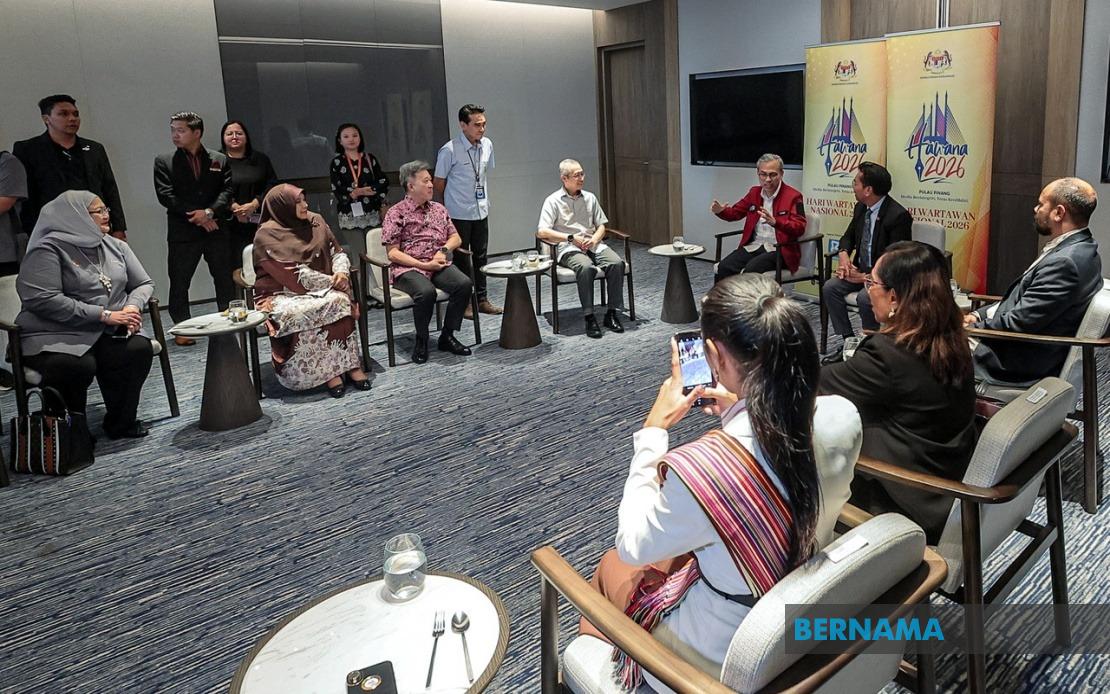
Malaysia is moving to forge a tighter partnership with Timor-Leste in the media sector, with Communications Minister Datuk Fahmi Fadzil proposing joint initiatives spanning news agencies, broadcasting, and professional development. The overture emerged from talks held in Butterworth on June 20 with a high-level Timor-Leste delegation, signalling growing bilateral engagement in the information space at a time when both Southeast Asian nations face international scrutiny over press freedom metrics.
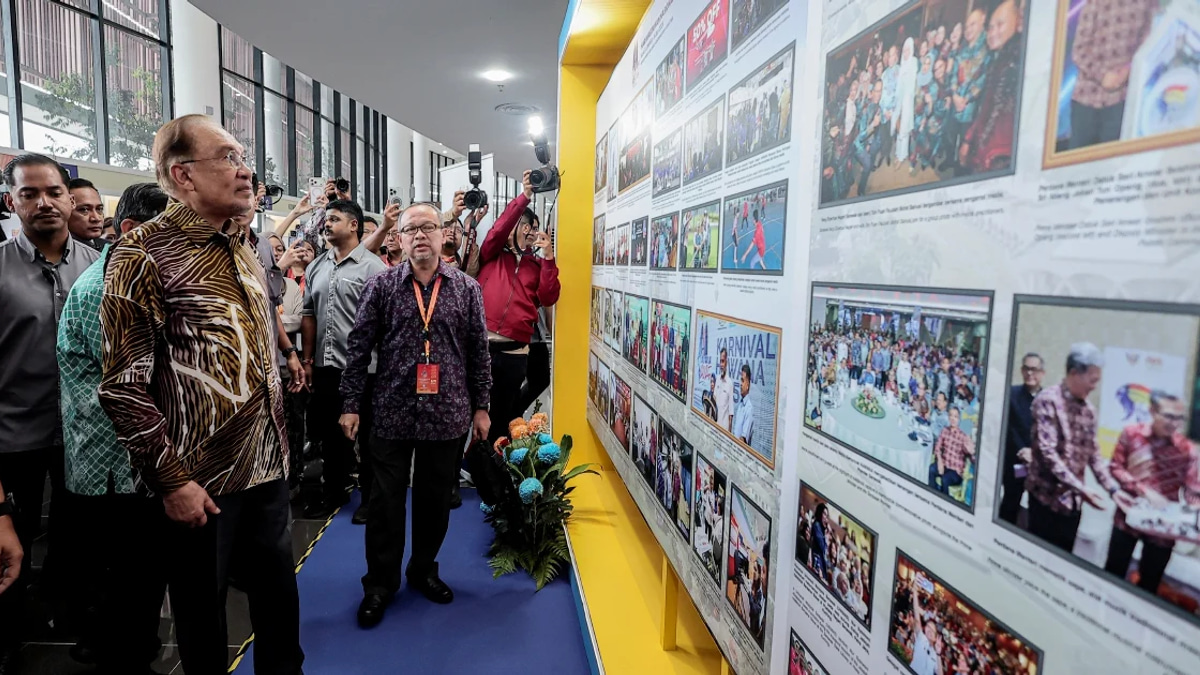
The Timor-Leste contingent, headed by Secretary of State for Social Communication Expedito Loro Dias Ximenes and including Agencia Noticiosa de Timor-Leste (TATOLI) president Noemio Mateus Soares Falcao and deputy Madalena DE JCP Carlos, visited Malaysia to attend the HAWANA 2026 conference. This sixth edition of the regional media gathering convened some 1,000 journalists and media professionals under the banner "Media Integrity Strengthens Credibility", with Prime Minister Datuk Seri Anwar Ibrahim scheduled to open proceedings at the PICCA Convention Centre @ Butterworth Arena. The venue and timing positioned Malaysia as a platform for regional dialogue on journalism standards and institutional credibility.
Fahmi outlined several concrete cooperation mechanisms that would deepen institutional ties between the two nations' media ecosystems. His ministry intends to expand working relationships between Bernama, Malaysia's national news agency, and RTM, the national broadcaster, with their counterparts in Timor-Leste. More ambitiously, he proposed that the Tun Abdul Razak Broadcasting and Information Institute (IPPTAR), Malaysia's premier training body for media professionals, should host capacity-building programmes for Timorese journalists. Such training initiatives would transfer technical expertise and professional standards across borders, potentially raising journalism quality in both countries while cementing institutional relationships.
Central to the bilateral discussion was an intriguing disparity in international press freedom rankings that underscores differing trajectories within Southeast Asia. Timor-Leste, a young nation that emerged from Indonesian occupation in 2002, ranks highest among Southeast Asian countries in the World Press Freedom Index published by Reporters Without Borders (RSF), securing 30th position globally out of 180 nations. Malaysia, despite its longer democratic history and media infrastructure, ranks second within the region in the same index. Fahmi acknowledged this gap candidly, noting that he had shared insights with Ximenes on how Timor-Leste achieved its superior standing, tacitly recognising the smaller nation's press freedom credentials.
The performance gap reflects Malaysia's complicated relationship with media regulation and press freedom. Although the MADANI Government—in office since late 2022—has overseen measurable improvements in Malaysia's RSF ranking compared with previous administrations spanning three to four years, Fahmi stressed that scope remains for advancement. This framing reveals government awareness that international perceptions of Malaysian media freedom remain constrained by legacy legislation and perceived editorial pressures. The minister's public acknowledgement that Malaysia lags behind Timor-Leste signals a shift in official rhetoric toward accepting external benchmarks and committing to continuous improvement rather than dismissing international metrics as external interference.
For Southeast Asia's media landscape, this bilateral engagement carries implications beyond ceremonial diplomacy. Timor-Leste's press freedom ranking suggests that younger democracies navigating post-conflict reconstruction can establish robust journalistic independence relatively rapidly if institutional safeguards are prioritised. Malaysia's willingness to learn from and collaborate with a smaller neighbour—traditionally a regional economic and political heavyweight—reflects a pragmatic recalibration of hierarchies in the digital age, where soft power increasingly derives from institutional credibility rather than GDP or military capacity.
The HAWANA conference itself provided crucial context for these announcements. As an annual gathering of regional media practitioners, HAWANA serves as a forum where professional standards, editorial ethics, and governance practices are debated openly among peers. Hosting Timor-Leste's delegation at this event positioned the discussions within a broader regional conversation about what media integrity means and how it translates into public trust. Prime Minister Anwar Ibrahim's participation elevated the event beyond a professional conference, signalling that the federal government views media credibility as integral to national standing.
The composition of Malaysia's delegation at the meeting revealed institutional seriousness about the engagement. Beyond Fahmi, attendees included Communications Ministry secretary-general Datuk Abdul Halim Hamzah, deputy secretary-general Datuk Bahria Mohd Tamil, Bernama chairman Datuk Seri Wong Chun Wai, CEO Datin Paduka Nur-ul Afida Kamaludin, Broadcasting director-general Ashwad Ismail, and Bernama editor-in-chief Arul Rajoo Durar Raj. The presence of top executives from both Bernama and the Broadcasting authority underscored that proposed cooperation mechanisms would involve substantive operational commitments, not merely symbolic gestures.
The proposed journalist training scheme through IPPTAR deserves closer attention as a soft power instrument. Malaysians instructing Timorese journalists in broadcast standards, editorial processes, and investigative methodologies would implicitly promote Malaysian professional norms as regional benchmarks. Simultaneously, sending IPPTAR trainers to Timor-Leste or hosting Timorese cohorts in Malaysia would build interpersonal networks among media leaders, fostering relationships that could influence how both countries' media cover each other and regional affairs. Such initiatives, while framed as capacity-building, function as cultural diplomacy.
The bilateral focus on press freedom rankings also reflects how international indices now shape national media policy agendas. The RSF World Press Freedom Index, while imperfect and occasionally contentious, has become a metric against which governments measure themselves and justify reforms. Malaysia's visible effort to improve its ranking signals that the MADANI administration views media pluralism not merely as a governance principle but as a competitiveness factor in regional diplomacy and international standing. This reframing transforms press freedom from a human rights issue primarily advocated by NGOs into a state interest aligned with national development narratives.
Looking forward, the cooperation framework outlined by Fahmi could evolve into a model for broader ASEAN media engagement. If Malaysian-Timorese collaboration demonstrates tangible benefits—improved journalistic practice, greater transparency, or enhanced regional understanding—other Southeast Asian nations might adopt similar bilateral or multilateral arrangements. Conversely, if the initiatives remain largely ceremonial, they risk contributing to the perception that media cooperation discussions in Southeast Asia yield rhetorical progress but limited substantive change.
The timing of these announcements, occurring months ahead of Malaysia's next general election due by August 2025, merits consideration. Demonstrating proactive media engagement and accepting international scrutiny on press freedom could help the MADANI Government project an image of openness and institutional confidence. Whether these initiatives endure and produce measurable improvements in press freedom, professional standards, or bilateral understanding will depend on follow-through beyond the conference season and beyond current political cycles.
%22%2F%3E%3C%2Fpattern%3E%3C%2Fdefs%3E%3Crect%20width%3D%22100%25%22%20height%3D%22100%25%22%20fill%3D%22url(%23ph2hy9vg)%22%2F%3E%3Crect%20width%3D%22100%25%22%20height%3D%22100%25%22%20fill%3D%22url(%23ph2hy9vp)%22%2F%3E%3Ctext%20x%3D%2250%25%22%20y%3D%2250%25%22%20text-anchor%3D%22middle%22%20dominant-baseline%3D%22central%22%20fill%3D%22rgba(255%2C255%2C255%2C0.95)%22%20font-family%3D%22Georgia%2C%20'Times%20New%20Roman'%2C%20serif%22%20font-weight%3D%22700%22%20font-size%3D%22272%22%20letter-spacing%3D%22-0.02em%22%3EAnwar%3C%2Ftext%3E%3C%2Fsvg%3E)