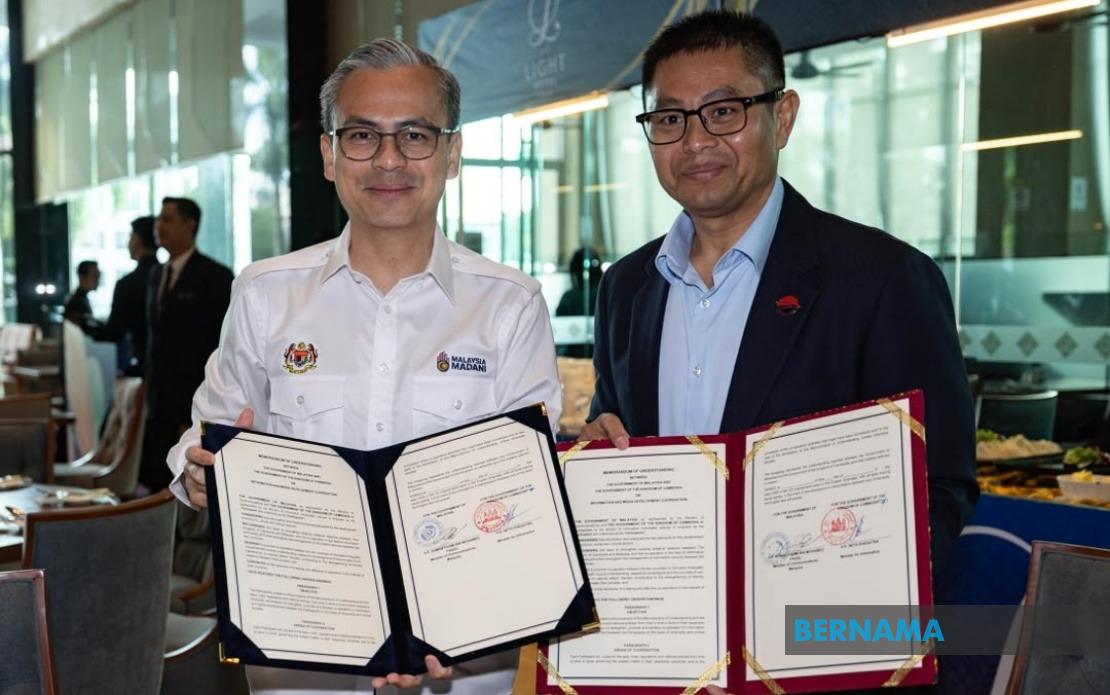
Malaysia and Cambodia have taken a significant step towards deepening their partnership in the media and information sectors by signing a comprehensive memorandum of understanding that positions both nations to collaborate across a broad spectrum of communications activities. The agreement, inked at the Light Hotel in Butterworth on June 20, was signed by Communications Minister Datuk Fahmi Fadzil and Cambodian Information Ministry's Under Secretary of State Prak Thaveak Amida, acting as representative for Cambodian Information Minister Neth Pheaktra. This bilateral arrangement reflects growing recognition within Southeast Asia that coordinated media development and information management are essential components of modern governance and cross-border relations.
The scope of the MoU encompasses multiple dimensions of the contemporary media landscape, establishing operational frameworks for news and information sharing between Malaysian and Cambodian outlets and institutions. Both governments have committed to fostering exchange mechanisms that will allow journalists, editors, and information professionals from each country to access verified reporting from their counterpart, potentially reducing misinformation and strengthening public understanding of events across their respective borders. This dimension proves particularly valuable in a region where transnational journalism remains underdeveloped compared to major Western and Asian hubs, and where language and cultural barriers often complicate cross-border information flows.
Beyond traditional news operations, the agreement establishes pathways for cooperation in radio and television broadcasting, creating opportunities for programme exchange, co-production initiatives, and shared technical standards that may eventually facilitate easier distribution of content across national boundaries. Both nations have substantial broadcast sectors, and harmonizing regulatory approaches and production methodologies could unlock efficiencies while raising quality standards for audiences on both sides. The inclusion of printing and publishing cooperation similarly suggests intent to modernize legacy media platforms and ensure their continued relevance in an increasingly digital information ecosystem.
Human capital development figures prominently within the MoU's framework, indicating that Malaysia and Cambodia recognize the need to invest in journalism education, technical training, and professional development across their media industries. Through structured exchange programmes, training workshops, and knowledge-sharing initiatives, media professionals in both countries can access contemporary best practices, learn new technologies, and develop skills that enhance their competitive positioning in regional and global markets. This investment in people represents a longer-term strategic commitment that extends beyond immediate commercial or political interests.
The agreement addresses cybersecurity within media operations, a dimension that has grown increasingly critical as news organizations, broadcasting authorities, and information systems face mounting threats from hackers, state-sponsored interference, and malicious actors seeking to manipulate public discourse. By establishing shared protocols and collaborative security frameworks, Malaysia and Cambodia can pool expertise and resources to defend their respective information infrastructure, creating redundancy and resilience that neither nation could achieve independently. This aspect carries particular weight given regional tensions and the vulnerability of smaller nations to sophisticated cyber operations.
Information policy and regulatory harmonization represent additional pillars of the partnership, enabling both governments to learn from one another's legislative frameworks, licensing systems, and content standards. As digital platforms increasingly challenge traditional broadcast regulations and press freedom norms remain contested across Southeast Asia, opportunities to align approaches on issues such as fake news penalties, digital platform accountability, and journalistic shield laws could establish regional precedents. Malaysia's longer history of developing media regulation, combined with Cambodia's evolving frameworks, positions this collaboration as potentially influential for other ASEAN members grappling with comparable challenges.
Innovation in media and broadcasting receives explicit attention within the MoU, signaling both nations' commitment to exploring emerging technologies, distribution models, and audience engagement strategies that define the industry's future. From artificial intelligence applications in newsroom operations to blockchain-based content verification systems and immersive media formats, Malaysia and Cambodia aim to position themselves not as passive adopters but as active participants in global media transformation. This forward-looking approach contrasts with purely defensive regulatory mindsets and suggests genuine ambition to strengthen competitive capabilities.
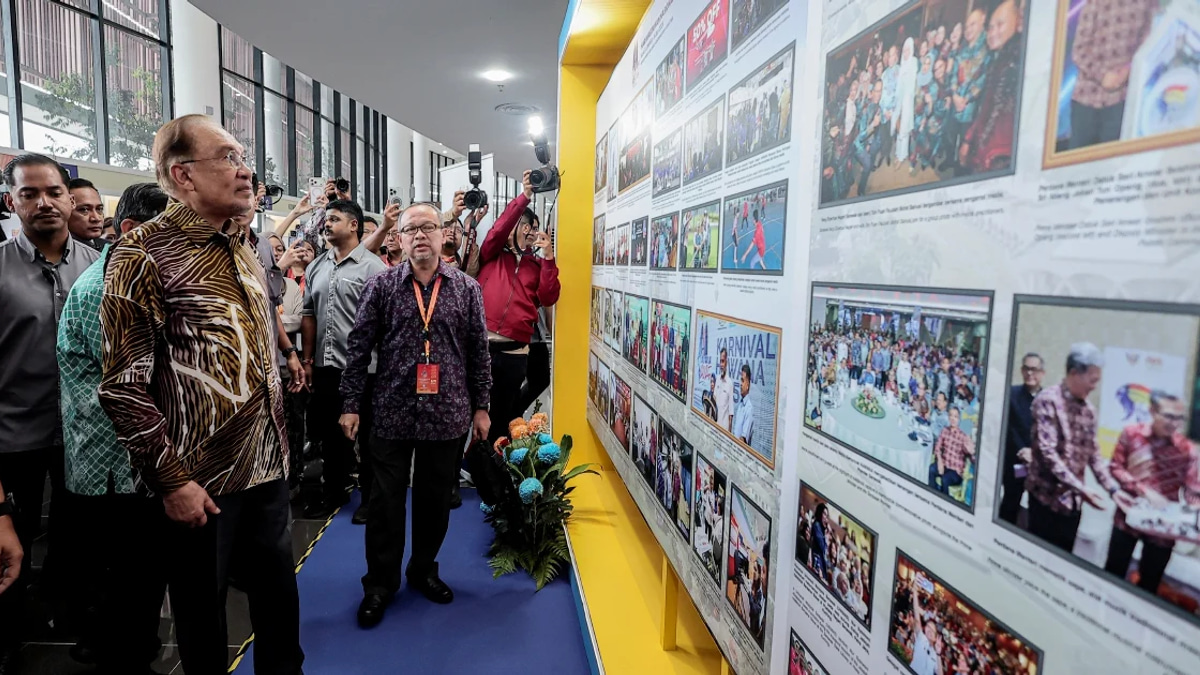
The agreement's timing coincides with Malaysia's hosting of the National Journalists' Day (HAWANA) 2026 grand finale, the sixth edition of this significant industry gathering themed "Media Integrity Strengthens Credibility." Prime Minister Datuk Seri Anwar Ibrahim was scheduled to officially launch the event, alongside Penang Chief Minister Chow Kon Yeow and representatives from Malaysia's media establishment including Bernama leadership. That Cambodia's information ministry chose to send high-level representation to this signature event underscores the bilateral importance attached to media sector development and demonstrates Cambodia's desire to participate actively in regional media conversations.
The MoU reflects wider recognition across Southeast Asia that media cooperation serves as both soft power instrument and genuine development opportunity. By sharing expertise in journalism standards, broadcast technology, and regulatory practices, Malaysia and Cambodia strengthen institutional capacity across their sectors while building personal and professional networks that facilitate ongoing exchange. These human connections often outlast formal agreements and create informal channels through which cooperation continues even without high-level political direction.
For Malaysia specifically, the partnership positions the nation as a leader in promoting media standards and development frameworks within the region, enhancing its diplomatic standing and influence over emerging norms. Malaysian media organizations gain access to Cambodian audiences and markets while potentially benefiting from collaborative production ventures that reduce individual production costs. Similarly, Malaysian regulators and policymakers can observe Cambodia's implementation of media policies and share findings that inform domestic decision-making regarding issues such as digital content regulation and platform accountability.
The broader regional context cannot be ignored. Southeast Asia faces persistent challenges regarding media freedom, misinformation, and the concentration of ownership within media sectors. Bilateral and multilateral cooperation mechanisms like the Malaysia-Cambodia MoU represent incremental steps toward establishing shared standards and mutual accountability that might gradually elevate sector-wide practices. However, such mechanisms succeed only when participating nations maintain genuine commitment to transparency, professional journalism standards, and editorial independence—values that sometimes face pressure from political and commercial interests.
Looking forward, this agreement establishes institutional frameworks that can deepen over time as working groups form, exchange programmes commence, and collaborative projects materialize. The quality of implementation will ultimately determine whether the MoU becomes a transformative partnership or remains primarily symbolic. Success requires sustained engagement from both governments' media agencies, voluntary participation from private sector media organizations, and goodwill from professional associations and journalism training institutions. If properly executed, the Malaysia-Cambodia media partnership could serve as a template for similar arrangements with other ASEAN members, gradually building a more integrated regional media ecosystem.

%22%2F%3E%3C%2Fpattern%3E%3C%2Fdefs%3E%3Crect%20width%3D%22100%25%22%20height%3D%22100%25%22%20fill%3D%22url(%23ph2hy9vg)%22%2F%3E%3Crect%20width%3D%22100%25%22%20height%3D%22100%25%22%20fill%3D%22url(%23ph2hy9vp)%22%2F%3E%3Ctext%20x%3D%2250%25%22%20y%3D%2250%25%22%20text-anchor%3D%22middle%22%20dominant-baseline%3D%22central%22%20fill%3D%22rgba(255%2C255%2C255%2C0.95)%22%20font-family%3D%22Georgia%2C%20'Times%20New%20Roman'%2C%20serif%22%20font-weight%3D%22700%22%20font-size%3D%22272%22%20letter-spacing%3D%22-0.02em%22%3EAnwar%3C%2Ftext%3E%3C%2Fsvg%3E)