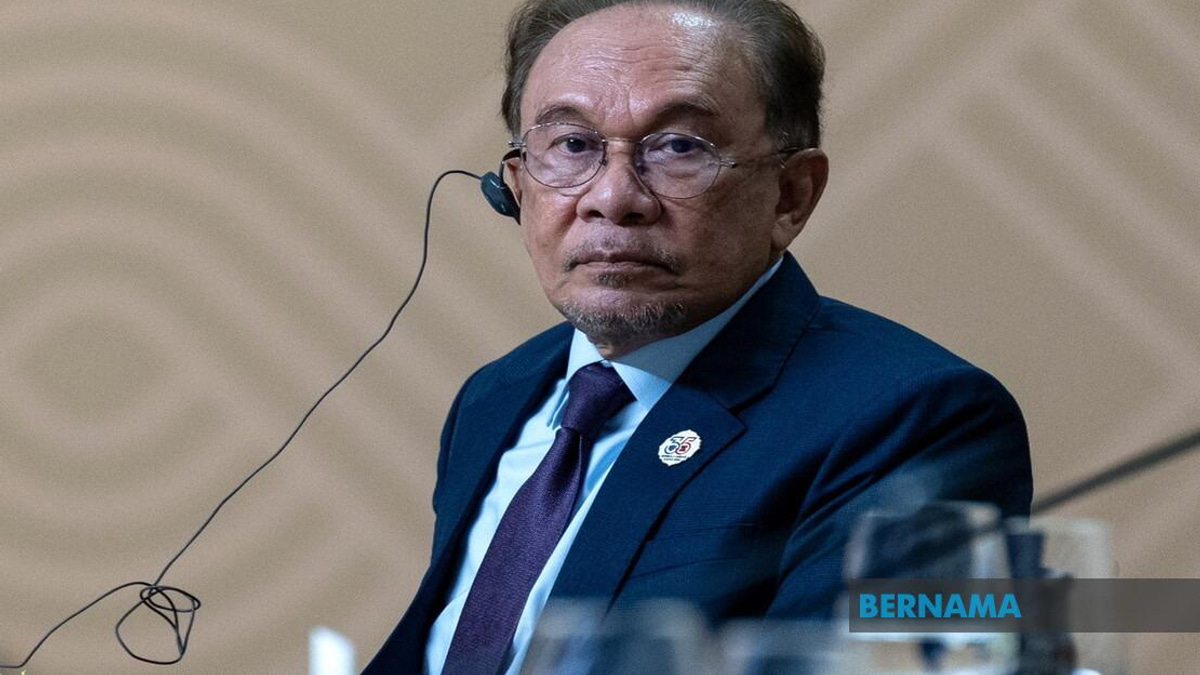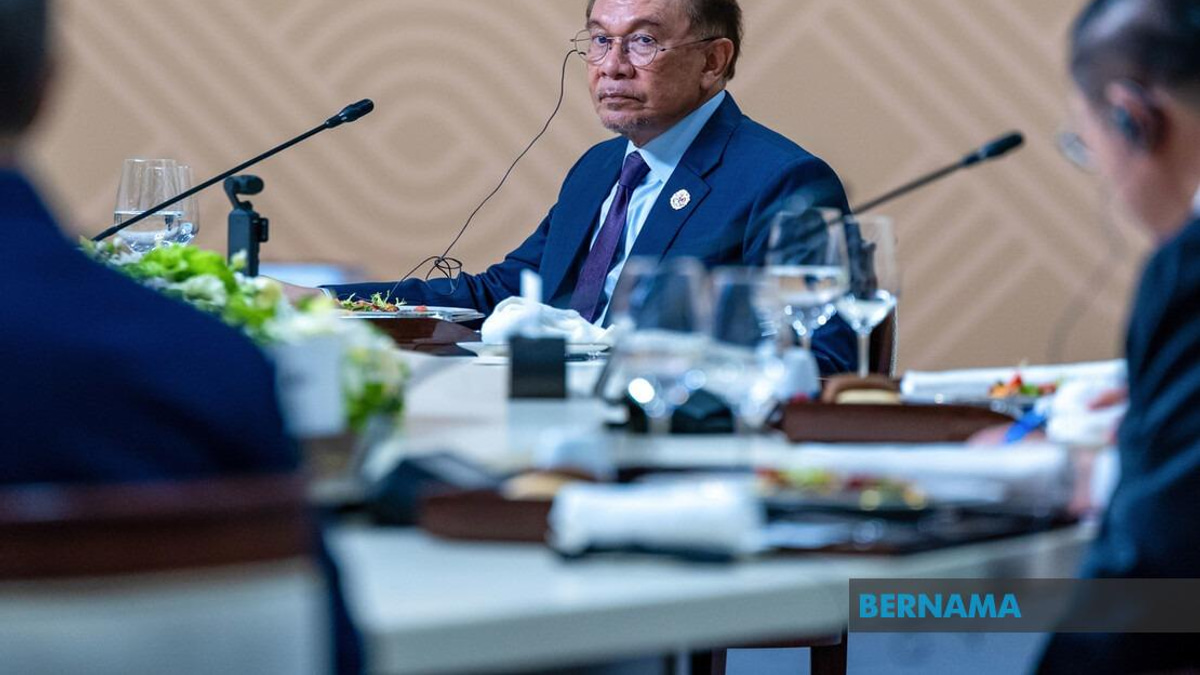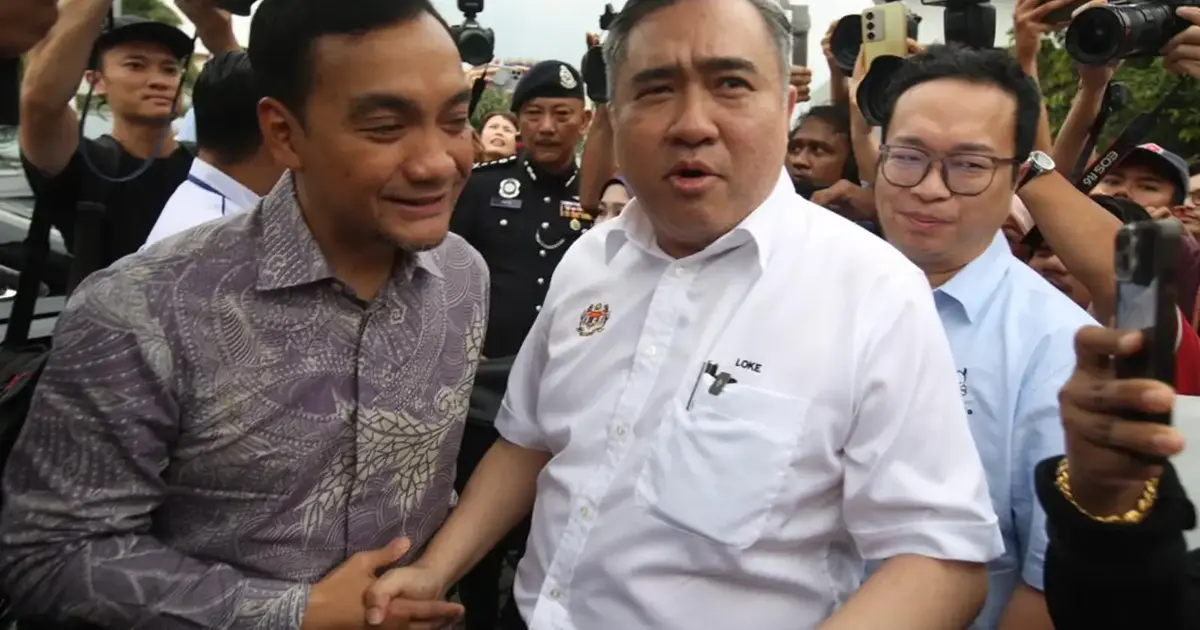
Transport Minister Anthony Loke and Johor Menteri Besar Onn Hafiz demonstrated political pragmatism by keeping their first in-person encounter professional and courteous, despite acrimonious exchanges between them on social media platforms in recent weeks. The two leaders managed to set aside their public disagreements to engage constructively at an event organised by the transport ministry, signalling a willingness to prioritise governance over partisan posturing.
Onn Hafiz's participation required him to reorganise his official schedule, as the invitation to the transport ministry event arrived with minimal advance notice. Rather than allowing the logistical inconvenience to undermine the meeting, the Johor leader adjusted his commitments to ensure his attendance, underscoring the importance both men seemed to place on demonstrating collaborative leadership.
During his address at the gathering, Onn Hafiz could not entirely resist a subtle jab directed at the DAP leader, referencing the short-notice nature of the invitation and the schedule adjustments it necessitated. The remark, delivered with apparent good humour, reflected the underlying tension that continues to simmer between the two figures while acknowledging the need to maintain professional decorum in formal settings.
The public spat that preceded this meeting had highlighted deep-seated political divisions within Malaysia's coalition government, where the DAP's role in Pakatan Harapan continues to generate friction with state-level UMNO-aligned leaders. Johor, as Malaysia's second-largest state by population and a strategically important economic hub, remains a focal point for intra-coalition tensions, particularly on matters of federal-state coordination and resource allocation.
Anthony Loke's transport ministry portfolio places him at the centre of national infrastructure projects that directly impact state governments' development agendas. When federal announcements or policies proceed without adequate consultation with state administrations, resentment naturally surfaces—as it did in the lead-up to this meeting. Onn Hafiz's oblique criticism reflected broader frustrations among some state leaders regarding communication channels and the decision-making processes employed at federal level.
The cordial tone adopted by both men during their encounter suggests they recognise the political costs of sustained public conflict. Prolonged antagonism risks undermining the stability of the federal government and creates opportunities for opposition forces to exploit divisions within the ruling coalition. By demonstrating civility and willingness to engage across their political differences, Loke and Onn Hafiz are signalling to their respective constituencies and broader publics that organisational tensions need not preclude professional collaboration.
Johor's political landscape has grown increasingly complex in recent years, with the state balancing multiple power centres and competing visions for development. The Menteri Besar's role requires constant negotiation with federal agencies, private investors, and community stakeholders. Transport infrastructure—encompassing road networks, public transit systems, and logistics hubs—constitutes a critical component of Johor's economic strategy, particularly given the state's role as a gateway to Singapore and its integration into larger regional supply chains.
For Loke, navigating relations with state governments controlled by different political parties presents ongoing challenges. As a DAP politician representing a minority perspective within the ruling coalition, the transport minister must demonstrate competence and political sensitivity to maintain the trust of federal partners while advancing his ministry's agenda. His willingness to convene events bringing state leaders into dialogue with federal authorities reflects an understanding that transport policy succeeds only when implemented with state-level cooperation and buy-in.
The strategic importance of maintaining working relationships across the coalition extends beyond immediate policy concerns. Malaysia's next general election could fundamentally reshape the political landscape, and premature ruptures within the current government would weaken all component parties. By maintaining professional relations despite ideological and organisational differences, political leaders demonstrate maturity and understanding that short-term partisan advantage must sometimes yield to longer-term stability considerations.
Onn Hafiz's subtle criticism during his speech should not be interpreted as a fundamental breakdown in the working relationship between the two men, but rather as a calibrated expression of frustration regarding process and communication. Such remarks are common in Malaysian political discourse, where leaders often employ measured criticism in formal settings to position themselves with their supporters while simultaneously signalling that personal animosity need not interfere with executive functions.
Moving forward, the success of this encounter may depend on whether both Loke and Onn Hafiz can translate their demonstrated civility into genuine improvements in federal-state consultation mechanisms. The transport ministry's engagement with state governments represents a critical interface in Malaysia's federal system, and strengthening communication channels could reduce misunderstandings and prevent online disputes from escalating into more serious political friction.
The meeting ultimately reflects the pragmatic foundations of Malaysia's political system, where personalities and ideological differences must frequently accommodate practical necessities of governance. Both Loke and Onn Hafiz appear to have absorbed this lesson, choosing professional decorum over the amplified conflict that social media platforms readily enable and encourage.