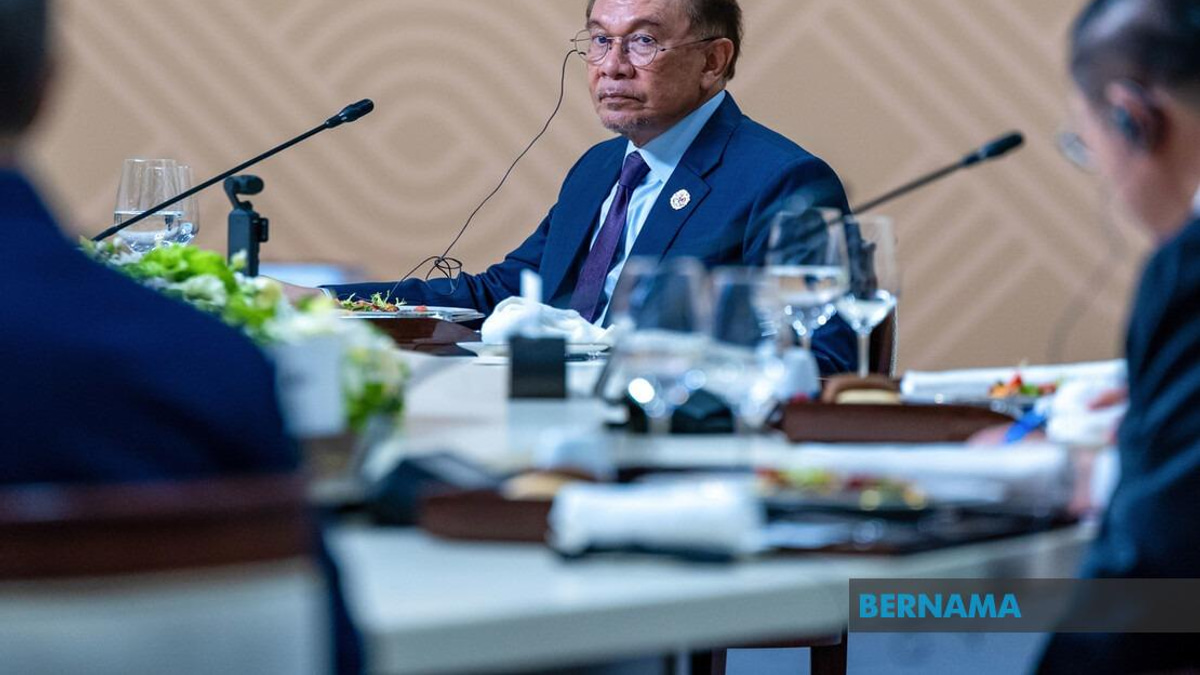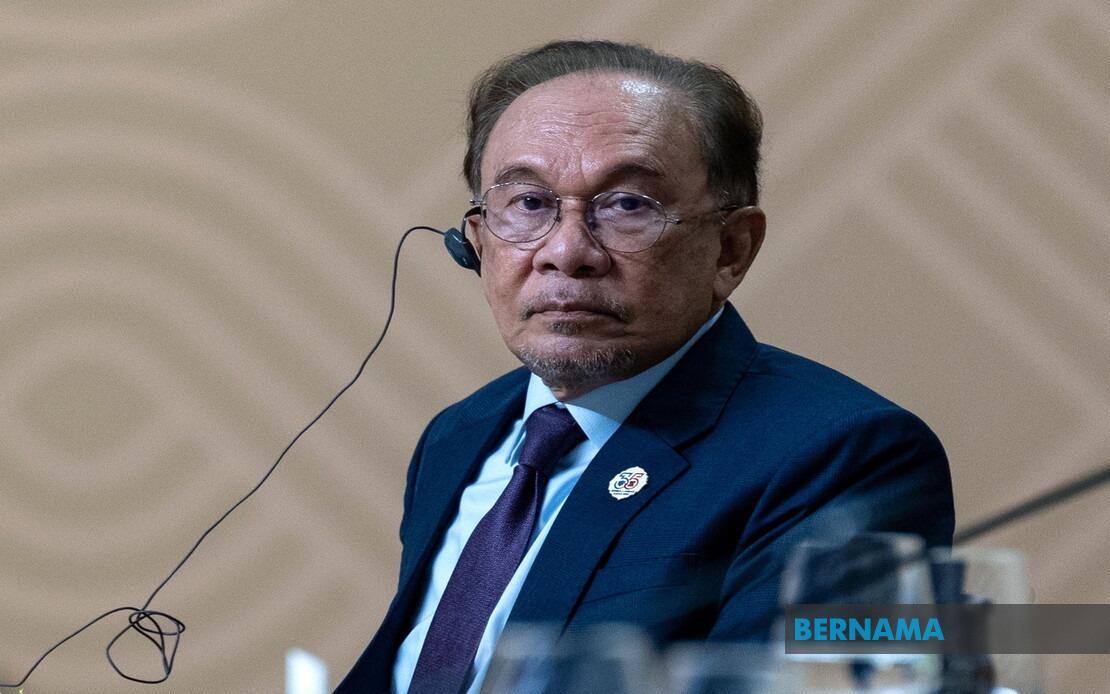
Prime Minister Datuk Seri Anwar Ibrahim has voiced considerable optimism that negotiations between the United States and Iran could culminate in a peace agreement capable of resolving the prolonged tensions destabilising West Asia. Speaking at the 35th ASEAN-Russia Commemorative Summit in Kazan on Thursday, Anwar indicated that despite the compressed timeline for finalising terms, recent diplomatic momentum suggests a breakthrough remains achievable. His cautious optimism reflects Malaysia's broader interest in achieving stability across the Middle Eastern region, where conflicts have reverberated through global supply chains, energy markets, and international security architecture.
The Prime Minister anchored his assessment on direct conversations with Pakistani Prime Minister Shehbaz Sharif, who has assumed a central intermediary role in the protracted US-Iran dialogue. According to Anwar, Sharif provided reassuring insights into the negotiation process, describing substantive progress across multiple dimensions of the talks. Pakistan's diplomatic positioning as a bridge between competing powers carries particular weight given its historical relationships with both Washington and Tehran, as well as its regional influence within Islamic and South Asian circles. The fact that a senior Pakistani official conveyed such an encouraging evaluation suggests that behind-the-scenes discussions have moved beyond positional posturing into substantive problem-solving.
The 60-day window for concluding a final agreement represents an extraordinarily tight deadline for resolving issues that have accumulated across decades of estrangement. This compressed timeframe reflects the urgency that multiple parties now perceive regarding the need for de-escalation in West Asia. Malaysian observers recognise that such rushed timelines carry inherent risks—agreements negotiated under artificial pressure sometimes contain provisions vulnerable to reinterpretation or contestation. Nevertheless, Anwar's point that the deadline itself signals genuine intent to achieve closure within a defined period carries merit. For Southeast Asian nations dependent on stable Gulf trade corridors and energy supplies, any movement toward reducing regional hostilities offers tangible benefits.
Anwar also drew encouragement from parallel conversations with Russian President Vladimir Putin during the summit proceedings. Putin reportedly conveyed assessments comparable to those offered by the Pakistani Prime Minister, suggesting that major external stakeholders perceive genuine diplomatic momentum. Russia's perspective matters considerably given Moscow's long-standing relationships with Iran and its recent repositioning within Middle Eastern geopolitics following developments in Syria and elsewhere. The convergence of optimistic signals from both Pakistan and Russia indicates that the international diplomatic community—at least among key regional actors—has detected substantive movement in channels previously characterised by deadlock.
The Prime Minister nevertheless injected a note of caution regarding the broader geopolitical context surrounding these negotiations. He acknowledged that the incoming Donald Trump administration introduces variables difficult to predict with confidence. The Trump presidency previously withdrew from the nuclear agreement that had originally constrained Iran's atomic programme, creating scepticism about Washington's reliability as a negotiating partner. Anwar's measured acknowledgment of this complication demonstrates sophisticated awareness that diplomatic success depends not merely on the current moment's momentum but also on institutional commitments that survive political transitions and administrative changes in Washington.
Malaysia's positioning on this matter reflects the country's substantive interests in Middle Eastern stability. As a Muslim-majority nation with significant trade relationships across the Gulf, Malaysia has every incentive to support conflict resolution. The instability surrounding US-Iran tensions has previously disrupted oil markets, inflated shipping insurance premiums through the Strait of Hormuz, and created refugee pressures affecting the broader region. By publicly endorsing the diplomatic process and expressing confidence in its prospects, Anwar signals Malaysia's commitment to supporting paths that reduce rather than amplify regional militarisation.
The diplomatic environment surrounding these talks has shifted considerably from earlier periods marked by outright hostility and military posturing. The involvement of Pakistan as mediator, combined with indications of Russian and Chinese engagement, suggests a multipolar approach to conflict resolution rather than unilateral pressure from Washington. This architecture potentially creates space for compromises that might have seemed impossible during more confrontational phases. Malaysia's historical position as a non-aligned nation operating constructively within multiple regional frameworks positions it well to support such inclusive diplomatic processes.
From a Southeast Asian perspective, successful US-Iran accommodation would relieve pressures that have complicated the region's strategic environment. Reduced Middle Eastern tension would diminish risks of proxy conflicts extending into areas where ASEAN nations have security interests. It would also stabilise energy markets that matter significantly for economies like Malaysia's, which imports substantial quantities of crude oil and refined products. Beyond material considerations, a successful negotiation would demonstrate that sustained diplomacy can resolve even deeply entrenched conflicts—a precedent valuable for addressing various regional disputes in Southeast Asia itself.
Anwar's remarks at the ASEAN-Russia summit underscore Malaysia's evolution as an actor willing to engage thoughtfully with developments across multiple regions rather than maintaining purely Southeast Asian focus. By articulating confidence in the US-Iran process while acknowledging genuine uncertainties, the Prime Minister positioned Malaysia as a reasonable voice supporting pragmatic diplomacy. This stance serves Malaysia's broader interests in maintaining relationships across the Islamic world, with Western powers, and with rising Asian competitors, whilst contributing to international discourse advocating for peaceful resolution of differences. The coming weeks will test whether the optimism currently expressed by multiple diplomatic actors can indeed translate into concrete agreements.