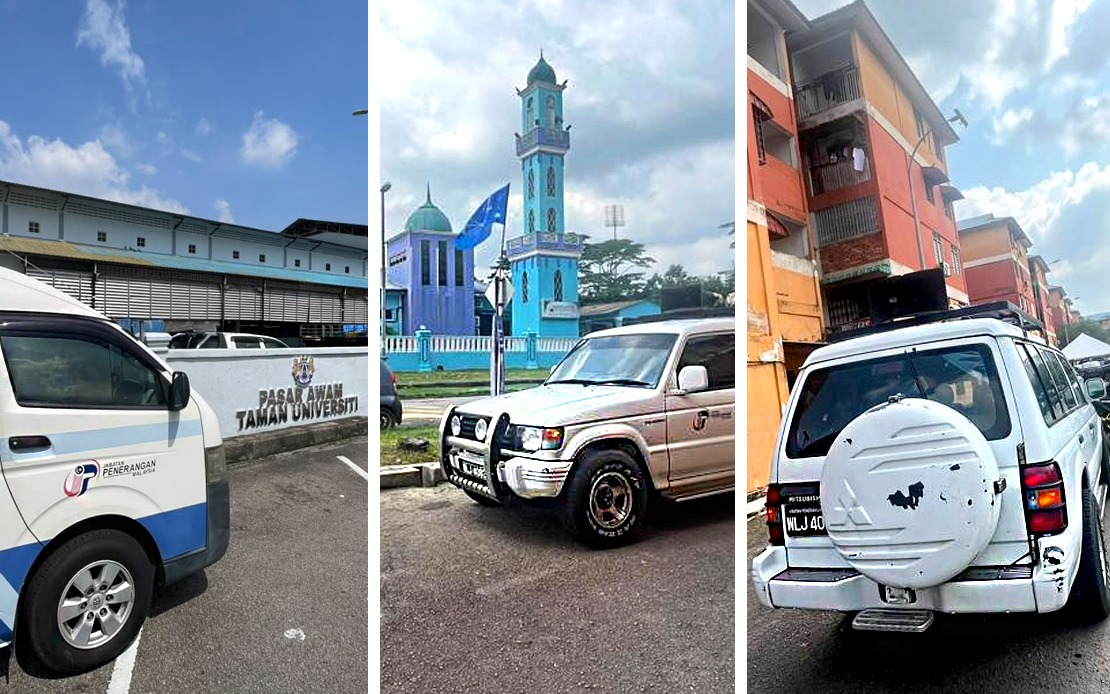
The Johor Department of Information has mobilised a significant ground operation ahead of Saturday's 16th state election, deploying 26 Info On Wheels mobile units across the state to energise voter participation and ensure accurate election information reaches citizens directly. The comprehensive campaign reflects efforts by the information authority to overcome passive communication barriers by taking official messages to voters where they live and work, rather than waiting for the public to seek out information independently.
Johor JAPEN director Mohd Rizal Hashim explained that the mobile units have been strategically positioned throughout all 10 districts and 56 state constituencies, creating a blanket coverage aimed at reaching diverse demographic groups. This geographical spread ensures that both urban and rural voters encounter consistent messaging about voting procedures, polling locations, and civic participation. The deployment strategy recognises that information access remains uneven across Johor, with some communities facing greater challenges in obtaining timely updates through conventional media channels.
The information blitz will intensify considerably during the critical three days immediately preceding polling day, with scheduled announcements concentrated during peak hours when residents are most likely to be commuting or conducting daily activities. Morning and evening broadcast windows have been specifically selected to catch voters during their routines, with messaging designed to prompt them to verify their voter registration status and plan logistics for reaching polling stations. This timing strategy aims to convert awareness into actual participation by removing practical barriers that might otherwise prevent people from voting.
Mohd Rizal emphasised that JAPEN's operational philosophy diverges from traditional top-down information dissemination. The department positions itself as a proactive actor that ventures into communities rather than maintaining a static presence. Field teams are deliberately targeting high-density urban precincts, residential areas, Felda settlements, and Orang Asli villages, recognising that election information campaigns must meet voters on their own ground to maximise effectiveness. This ground-level approach acknowledges the reality that some communities have limited digital connectivity or media consumption patterns that make traditional broadcasting insufficient.
The campaign pursues two interconnected objectives that reveal underlying concerns about election quality in Malaysia's digital age. First, it aims to ensure that the Election Commission's essential information—including polling dates, voter status verification procedures, and participation reminders—penetrates the information landscape and reaches ordinary citizens reliably. Second, JAPEN personnel are engaged in direct advocacy efforts designed to counter misinformation and defamatory content that historically surge during election periods. This dual approach suggests official recognition that the information environment has become contested terrain where unverified claims can spread rapidly through social networks.
The challenge of combating fake news has become particularly acute in Malaysian elections, where social media platforms enable rapid dissemination of unsubstantiated claims before fact-checking mechanisms can operate effectively. By deploying trained JAPEN personnel for face-to-face interactions, the government strategy attempts to rebuild trust through human connection and provide voters with verified information sources. These conversations offer opportunities to address specific concerns voters may harbour and counter false narratives with authoritative facts, creating a more durable form of persuasion than broadcast messaging alone.
Mohd Rizal articulated a broader philosophical framing of voting as simultaneously a right and a responsibility, moving beyond the common civic education emphasis on voting as a privilege. This reframing suggests that voter participation carries weight beyond individual choice, affecting collective outcomes for economic development, public welfare, and resource allocation over the subsequent five-year term. The messaging implicitly argues that low turnout undermines democratic legitimacy and that individual decisions to vote or abstain have aggregate consequences for state governance and policy direction.
The information campaign reflects broader anxieties about election participation levels in Malaysia, where voter turnout has occasionally disappointed electoral administrators despite high registration rates. By positioning elections as rare and valuable opportunities for citizens to exercise genuine voice and determine their elected representatives, JAPEN attempts to elevate the perceived significance of Saturday's polling. This messaging strategy targets potential abstainers who might otherwise view the election as routine or inevitable, attempting to mobilise them through appeals to democratic agency and collective interest.
Practical planning features prominently in JAPEN's messaging, with explicit exhortations for voters to organise their journeys to polling stations in advance. This pragmatic guidance acknowledges that logistical obstacles—uncertainty about polling locations, travel time requirements, childcare arrangements—constitute real barriers to participation that information campaigns can mitigate. By encouraging early planning and removal of procedural confusion, JAPEN aims to convert awareness of the election into actual participation despite potential practical complications.
The campaign also addresses the broader information ecosystem surrounding the election, specifically cautioning the public against trusting unverified social media content. This warning reflects the reality that social platforms have become primary information sources for many Malaysians, making them vulnerable to manipulation and deliberate disinformation campaigns. The advisory implicitly positions official information sources as more trustworthy and encourages citizens to evaluate claims against established facts rather than accepting viral narratives uncritically.
For Malaysian and regional observers, the Johor deployment offers insight into how state government structures attempt to influence electoral outcomes through information management. The scale of the mobilisation—26 units across 56 constituencies—indicates substantial resource commitment to voter engagement, reflecting official assessment that turnout levels warrant intensive intervention. The strategy also demonstrates how government information departments operate as political actors during election periods, carefully balancing their formal mandate to provide accurate information with unstated objectives to influence participation patterns in ways advantageous to incumbent interests.
The Johor campaign illustrates evolving approaches to election administration in Southeast Asia, where governments increasingly recognise that electoral success depends not merely on ballot security but on information environment management and voter mobilisation capacity. As digital platforms continue fragmenting traditional media landscapes, state information agencies are adapting their tactics to reach voters through multiple channels while simultaneously attempting to shape perceptions about election legitimacy and civic duty.

