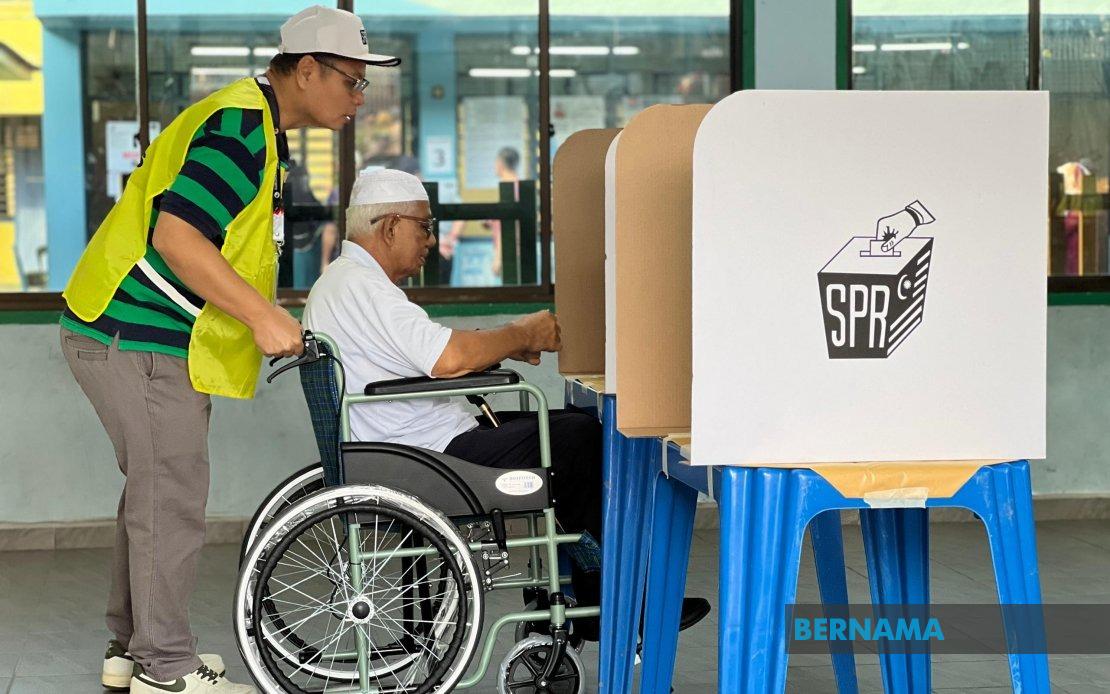
Johor's electorate began casting their votes on July 11 as polling centres across the state swung open at 8 am, marking the start of a crucial day that would determine the peninsula's southern powerhouse for the next term. The Election Commission had mobilised 1,076 polling stations operating through 4,889 separate streams to accommodate the state's 2.7 million registered voters, representing one of Malaysia's most significant electoral contests this year.
The voting exercise proceeded according to a structured timetable, with stations remaining open until 6 pm in most constituencies. However, the commission implemented a staggered closing schedule in smaller constituencies with fewer eligible voters, with some facilities shutting their doors as early as 11 am. This practical arrangement balanced inclusivity with administrative efficiency, allowing voters in less densely populated areas to cast their ballots during their preferred times while ensuring resources were not unnecessarily stretched.
The 16th Johor state election featured a notably competitive political landscape, with 172 candidates competing for the 56 State Legislative Assembly seats available. The contest structure reflected varying levels of competition across the state: 12 constituencies were contested by four separate parties or coalitions, 27 saw three-way battles, and 14 featured direct fights between two contenders. This distribution suggested significant voter interest and multiple political forces vying for representation, signalling that the result would not be a foregone conclusion in many areas.
The election culminated a frenzied two-week campaign period that had concluded at midnight the previous evening. Political parties and candidates had utilised the full 14 days to reach voters through rallies, door-to-door canvassing, and media campaigns, culminating in a final push to mobilise their respective supporters. By voting day, the political messaging had been exhausted and attention turned entirely to whether voters would act on the promises and pitches they had heard.
Election Commission officials had set an ambitious target of achieving approximately 70 per cent voter participation, a figure that would indicate strong public engagement with the democratic process. This benchmark reflected the commission's experience with previous state elections and demographic patterns in Johor. The achievement of such a turnout would suggest that voters across the state—from urban centres like Johor Bahru to rural and semi-rural constituencies—viewed the election as sufficiently important to take time from their daily routines to participate.
Security arrangements had been comprehensively implemented across all polling stations to ensure the voting process unfolded peacefully and without irregularities. Uniformed and plainclothes personnel were stationed at centres throughout the day, a routine precaution intended to prevent fraud, intimidation, or disruption. The visible security presence served both as a practical safeguard and as a signal to voters that the election would be conducted with proper oversight.
Media representatives had begun assembling outside polling stations well before opening, with journalists and camera crews positioning themselves from 7 am onwards to capture the mood and activity on election day. This early arrival reflected the significance of the contest and the media's responsibility to document the electoral process and gather comments from voters as they participated. The substantial media presence also underscored the transparency of the exercise, with multiple independent news organisations present to observe proceedings.
Weather conditions presented only minor complications on polling day. Most of Johor experienced clear skies and favourable conditions that would not discourage voters from attending their designated centres. The exception came in the Muar district, which faced rain during the morning hours. While such precipitation might have marginally affected turnout in that area by making travel slightly more inconvenient, it did not present an obstacle significant enough to prevent voting or to create any reported disruptions to the overall process.
The Election Commission had established 10 pm as the target time for announcing final results, a realistic timeframe given the number of votes requiring counting and the staggered closing of polling stations. Depending on the closeness of individual contests, final tallies in some constituencies might take longer to compile and announce, but the commission aimed to have the overall picture of which political forces had secured control of the state assembly by late evening. This swift turnaround reflected improved electoral administration and data management systems compared to previous state elections.
The significance of the Johor election extended beyond the state itself. As Malaysia's second-largest state by population and economically vital as a manufacturing and commercial hub, Johor's political direction carried implications for national politics and the broader stability of the peninsula. The result would shape the state government's capacity to drive development, manage federal-state relations, and potentially influence calculations at the national political level in the years ahead. For Malaysian observers watching regional dynamics, the Johor outcome would provide an important indicator of voter sentiment and shifting political preferences.

