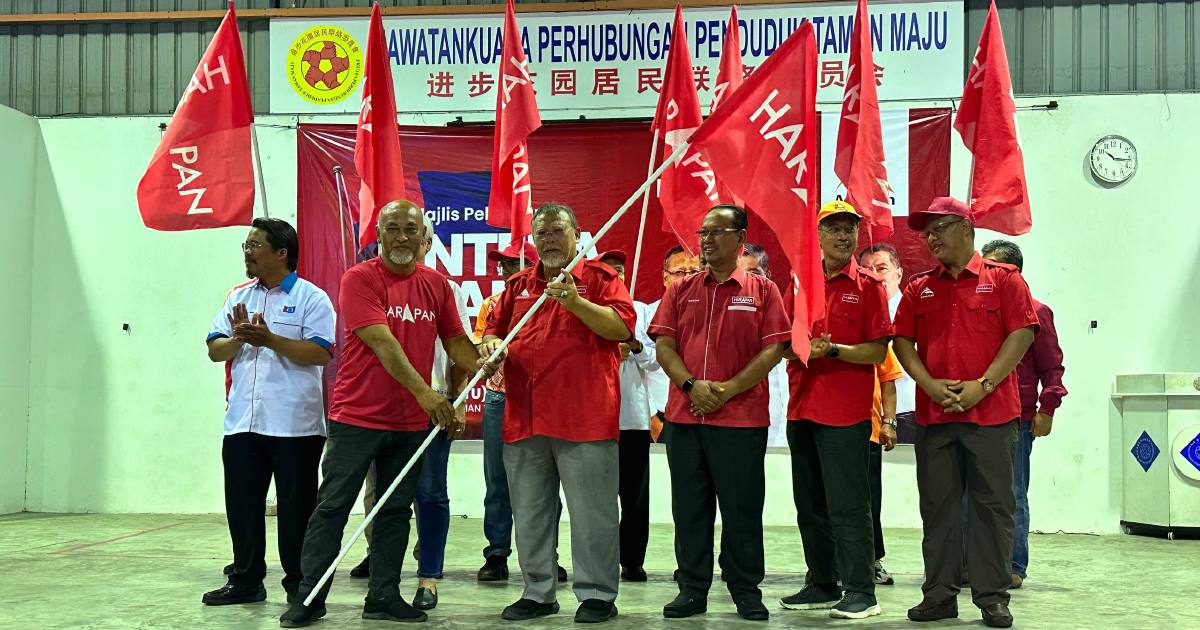
Johor Amanah is banking on a strong performance in the northern zone during the forthcoming state election scheduled for July 11, with party leadership projecting victory in a minimum of six seats from the ten constituencies where it has fielded candidates. The declaration reflects the party's growing confidence in the region and suggests it has identified pockets of electoral strength that could translate into meaningful gains.
The northern zone of Johor has historically served as a political arena where opposition and coalition parties compete vigorously for voter support. Amanah's decision to contest ten seats in this region indicates a deliberate expansion of its footprint, moving beyond traditional strongholds to challenge entrenched political machinery. This aggressive posture reflects broader patterns in Malaysian politics, where mid-tier opposition parties continually seek to demonstrate relevance and viability in state-level contests.
For Malaysian readers tracking Johor politics, Amanah's projection carries implications beyond the party itself. The PKN coalition, of which Amanah forms a component alongside the Democratic Action Party and the Malaysian Chinese Association, will scrutinize results from the northern zone as a barometer of coalition cohesion and voter appeal. A strong showing by Amanah could reinforce the bloc's credentials as a genuine challenger, while underperformance might expose fissures in the opposition alliance.
The northern zone encompasses constituencies with diverse demographic profiles, ranging from urban centres to semi-rural areas with significant agricultural communities. Amanah's seat targeting suggests the party has conducted extensive ground research, identifying constituencies where its messaging on Islamic governance combined with progressive social policy resonates with voters. The party's appeal to Malay-Muslim voters seeking an alternative to established parties like UMNO and PAS offers a distinct positioning in this zone.
Johor state elections serve as important staging grounds for national political realignment. Results influence narrative-building for federal politics and can reshape coalition dynamics ahead of the next general election. Amanah's performance in particular carries weight as the party seeks to consolidate its position as a credible Islamic alternative within opposition frameworks, distinguishing itself from PAS's approach while maintaining progressive credentials.
Voter sentiment in the northern zone has been shaped by economic considerations, particularly concerns about cost of living, employment opportunities, and agricultural sustainability. Amanah's campaign messaging will likely emphasise these practical issues alongside its traditional themes of good governance and anti-corruption credentials. The party's ability to articulate solutions addressing bread-and-butter concerns while maintaining its moral and ethical positioning could determine whether projections translate into actual wins.
The timing of the election in mid-July occurs during a period when Malaysian attention shifts between federal parliamentary developments and state politics. This creates both opportunities and challenges for campaigning parties. Amanah must maintain voter momentum while competing for media attention against broader national narratives. The party's expressed confidence suggests it believes it has constructed sufficiently strong campaign machinery and grassroots support networks to overcome these headwinds.
Cross-coalition dynamics also merit consideration. Johor's political landscape includes the Barisan Nasional component parties, PAS-backed opposition factions, and the tripartite coalition's representatives. Amanah's positioning relative to these actors—whether it has negotiated favourable seat distributions, avoided triangular contests where feasible, or identified constituencies where opposition consolidation is particularly strong—will influence whether six-seat targets become reality.
Historical voting patterns in Johor's northern zone reveal pockets of consistent opposition support interspersed with areas of BN dominance. Amanah's strategy likely focuses on expanding in its comfort zones while opportunistically challenging seats where incumbent support has fragmented or where demographic shifts favour alternatives. The party's assessment of local dynamics, incumbent vulnerability, and campaign effectiveness will be tested on polling day.
For Southeast Asian observers of Malaysian politics, Amanah's growing prominence in state elections reflects broader regional trends where Islamic-oriented parties seek to offer governance alternatives within democratic frameworks. Amanah's positioning as modernist and progressive within Islamic politics distinguishes it from more traditional conservative approaches, offering voters a middle-ground option that maintains religious credentials while embracing pluralistic governance principles.
The July 11 election will provide concrete data on whether Amanah's confidence reflects realistic assessment or optimistic projection. Internal party polling, ground volunteer reports, and leadership statements suggest the party believes it possesses the organisational capacity and voter support base to achieve stated objectives. The six-seat target in the northern zone, should it materialise, would represent significant progress in the party's gradual statewide expansion efforts and strengthen its negotiating position within opposition alliances.
Ahead of polling day, Amanah's focused campaign will test whether its messaging on Islamic governance, anti-corruption, and progressive social development appeals broadly enough to convert supporters into voters. The northern zone's outcome will provide important signals about whether the party has successfully established electoral viability beyond its traditional bases and whether the PKN coalition's broader architecture can withstand internal competition while maintaining united front positioning against BN incumbents.


%22%2F%3E%3C%2Fpattern%3E%3C%2Fdefs%3E%3Crect%20width%3D%22100%25%22%20height%3D%22100%25%22%20fill%3D%22url(%23ph593e4g)%22%2F%3E%3Crect%20width%3D%22100%25%22%20height%3D%22100%25%22%20fill%3D%22url(%23ph593e4p)%22%2F%3E%3Ctext%20x%3D%2250%25%22%20y%3D%2250%25%22%20text-anchor%3D%22middle%22%20dominant-baseline%3D%22central%22%20fill%3D%22rgba(255%2C255%2C255%2C0.95)%22%20font-family%3D%22Georgia%2C%20'Times%20New%20Roman'%2C%20serif%22%20font-weight%3D%22700%22%20font-size%3D%22170%22%20letter-spacing%3D%22-0.02em%22%3EMalaysia%3C%2Ftext%3E%3C%2Fsvg%3E)