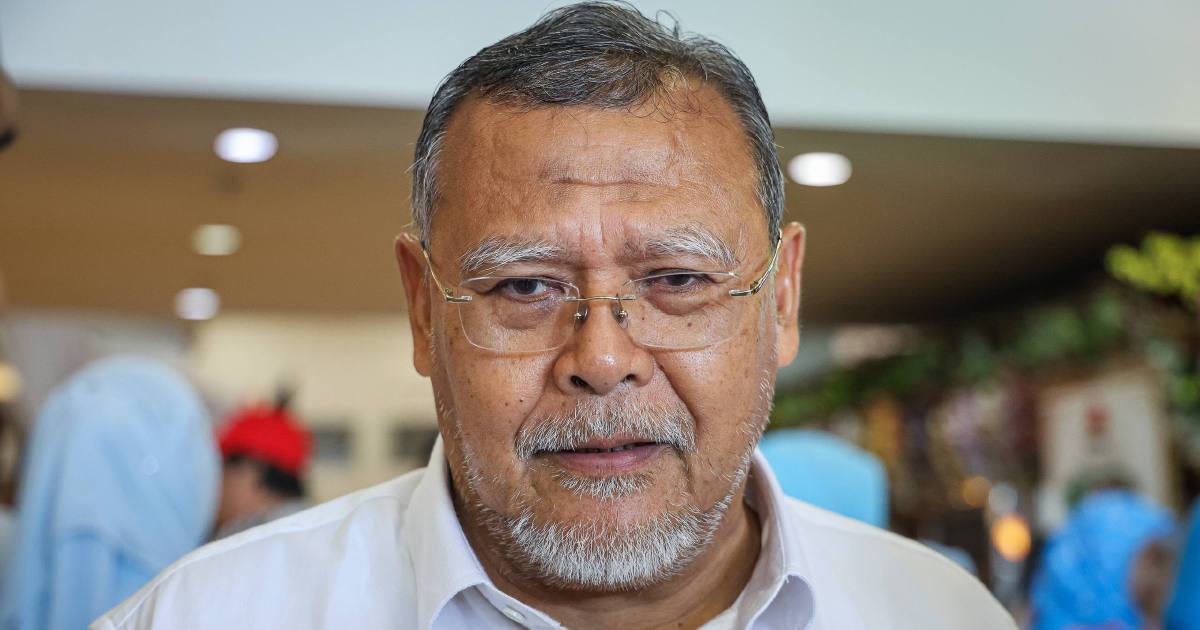
Johor's branch of Amanah has formally consented to surrender the Puteri Wangsa parliamentary constituency to PKR, concluding recent negotiations between the two Pakatan Harapan component parties. The decision reflects ongoing efforts by opposition coalition members to optimise candidate placement and electoral competitiveness across contested constituencies in the southern state.
This arrangement demonstrates the continuing dynamics within Pakatan Harapan as the alliance seeks to present a unified front and maximise seat gains. Puteri Wangsa, a federal constituency in Johor, represents strategically important terrain in the broader electoral landscape. The handover to PKR reflects calculations about which party is better positioned to capture the seat against competition from Barisan Nasional and other contenders.
The negotiations that preceded this agreement underscore the complexity of managing internal coalition politics while maintaining forward momentum. Component parties must balance their individual organisational ambitions with collective strategic objectives. For Amanah, ceding representation in certain constituencies allows the party to concentrate resources and campaign energy in divisions where it holds stronger organisational footing or demographic advantages.
PKR's acceptance of Puteri Wangsa reflects the party's confidence in its organisational capacity to contest and win the seat. As one of Pakatan Harapan's larger components, PKR has been instrumental in brokering broader coalition agreements and demonstrating flexibility on seat allocations. The party's willingness to take on additional constituencies signals broader ambitions within the coalition structure.
For Johor specifically, seat negotiations carry particular weight. The state remains a mixed political battleground where Barisan Nasional maintains strong influence despite Pakatan Harapan's efforts to expand its presence. Johor has witnessed significant electoral shifts over successive election cycles, with constituencies demonstrating volatile voting patterns. Strategic allocation of candidates to constituencies where opposition parties maintain organisational presence and voter support becomes crucial for coalition success.
This arrangement follows a broader pattern of coalition members adjusting their electoral footprint across Malaysia's diverse constituencies. Similar discussions and agreements have occurred in other states, reflecting Pakatan Harapan's attempts to avoid triangular contests where opposition votes might split between multiple candidates. By consolidating certain constituencies under single-party candidacies, the coalition aims to present clearer voter choices and prevent vote wastage.
The timing of such arrangements typically reflects preparation cycles ahead of general elections, though early coordination signals serious commitment to coordinated campaigning. Component parties engage in intensive analysis of demographic trends, previous electoral performances, and organisational capacity assessments when determining optimal seat allocations. Amanah's decision regarding Puteri Wangsa likely incorporated detailed evaluation of these factors.
From a broader Malaysian political perspective, such coalition arrangements highlight the challenge opposition parties face in competing against entrenched incumbent advantage. The cooperation required for seat-sharing negotiations, while sometimes contentious, represents necessary pragmatism for opposition coalitions seeking to present competitive alternatives. Without coordinated strategy and willingness to compromise on candidacy, opposition parties risk fragmenting their electoral impact.
For Amanah specifically, this decision reflects the party's strategic positioning within Pakatan Harapan's hierarchy. Amanah has consistently advocated for inclusive coalition politics and demonstrated flexibility on organisational matters when broader strategic objectives are at stake. The party's emphasis on Islamic values and progressive governance sometimes positions it differently from PKR within the coalition, making such accommodations important for maintaining coalition cohesion.
PKR's growing role in opposition coalition coordination reflects the party's emergence as a significant political force in Malaysian politics. Led by prominent figures with substantial political capital, PKR has built organisational networks across multiple states. The party's willingness to take on constituencies like Puteri Wangsa demonstrates confidence in these networks and commitment to expanding opposition presence in traditionally competitive areas.
Stakeholders in Johor will monitor how effectively the transferred candidacy generates voter support and translates organisational coordination into electoral outcomes. The success or failure of such coalition arrangements influences future negotiations and determines whether component parties view seat-sharing positively or as a source of friction. Strong performance by PKR in Puteri Wangsa could facilitate future cooperation, while disappointing results might trigger reassessments of allocation strategies.
For Malaysian voters and observers tracking opposition coalition dynamics, this development illustrates the ongoing maturation of Pakatan Harapan as a political force. While coalition politics remain inherently complex and sometimes unstable, sustained cooperation across multiple elections and constituencies suggests improving institutionalisation of coalition frameworks. Whether this translates into electoral breakthroughs or sustained competitive advantage remains to be determined through actual electoral contests.
%22%2F%3E%3C%2Fpattern%3E%3C%2Fdefs%3E%3Crect%20width%3D%22100%25%22%20height%3D%22100%25%22%20fill%3D%22url(%23ph4kz1yg)%22%2F%3E%3Crect%20width%3D%22100%25%22%20height%3D%22100%25%22%20fill%3D%22url(%23ph4kz1yp)%22%2F%3E%3Ctext%20x%3D%2250%25%22%20y%3D%2250%25%22%20text-anchor%3D%22middle%22%20dominant-baseline%3D%22central%22%20fill%3D%22rgba(255%2C255%2C255%2C0.95)%22%20font-family%3D%22Georgia%2C%20'Times%20New%20Roman'%2C%20serif%22%20font-weight%3D%22700%22%20font-size%3D%22320%22%20letter-spacing%3D%22-0.02em%22%3EIran%3C%2Ftext%3E%3C%2Fsvg%3E)
%22%2F%3E%3C%2Fpattern%3E%3C%2Fdefs%3E%3Crect%20width%3D%22100%25%22%20height%3D%22100%25%22%20fill%3D%22url(%23ph4ir7ag)%22%2F%3E%3Crect%20width%3D%22100%25%22%20height%3D%22100%25%22%20fill%3D%22url(%23ph4ir7ap)%22%2F%3E%3Ctext%20x%3D%2250%25%22%20y%3D%2250%25%22%20text-anchor%3D%22middle%22%20dominant-baseline%3D%22central%22%20fill%3D%22rgba(255%2C255%2C255%2C0.95)%22%20font-family%3D%22Georgia%2C%20'Times%20New%20Roman'%2C%20serif%22%20font-weight%3D%22700%22%20font-size%3D%22272%22%20letter-spacing%3D%22-0.02em%22%3ETrump%3C%2Ftext%3E%3C%2Fsvg%3E)
%22%2F%3E%3C%2Fpattern%3E%3C%2Fdefs%3E%3Crect%20width%3D%22100%25%22%20height%3D%22100%25%22%20fill%3D%22url(%23ph4qq4yg)%22%2F%3E%3Crect%20width%3D%22100%25%22%20height%3D%22100%25%22%20fill%3D%22url(%23ph4qq4yp)%22%2F%3E%3Ctext%20x%3D%2250%25%22%20y%3D%2250%25%22%20text-anchor%3D%22middle%22%20dominant-baseline%3D%22central%22%20fill%3D%22rgba(255%2C255%2C255%2C0.95)%22%20font-family%3D%22Georgia%2C%20'Times%20New%20Roman'%2C%20serif%22%20font-weight%3D%22700%22%20font-size%3D%22320%22%20letter-spacing%3D%22-0.02em%22%3EIran%3C%2Ftext%3E%3C%2Fsvg%3E)