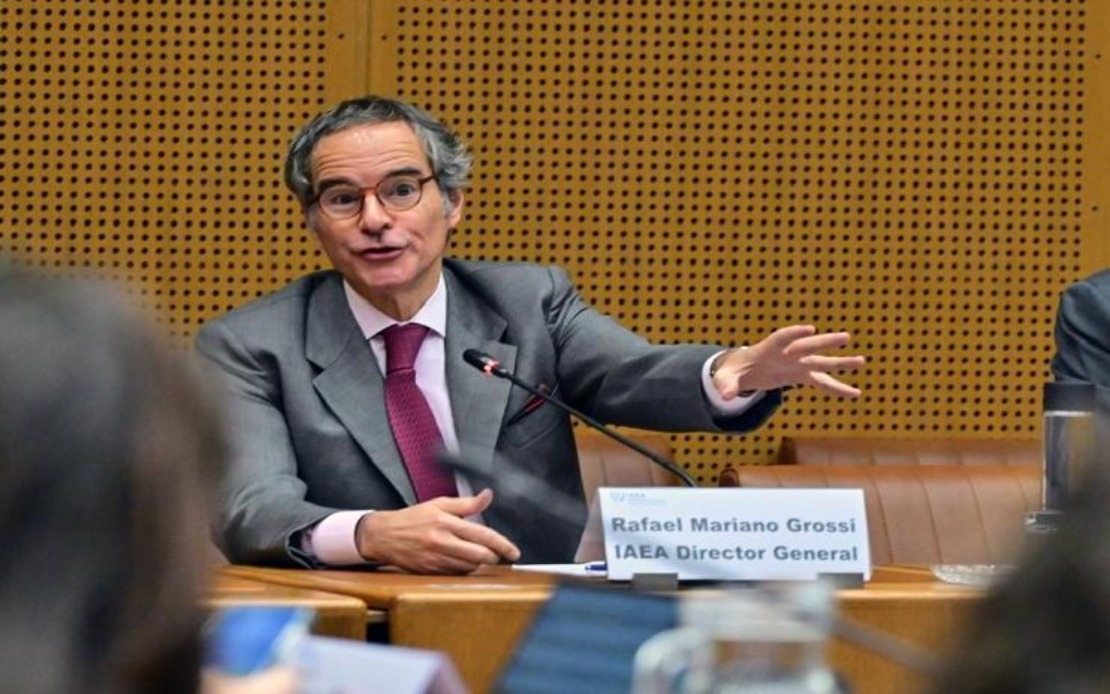
International Atomic Energy Agency Director General Rafael Mariano Grossi has underscored the vital role of sustained diplomatic efforts at a pivotal moment in US-Iran nuclear relations, as both delegations convene for direct negotiations in Switzerland. The IAEA chief's public call for dialogue signals the international community's hope that the ongoing discussions could yield meaningful progress on longstanding nuclear concerns between Washington and Tehran.
Grossi's intervention comes at a particularly sensitive juncture, with the timing of these talks following a significant bilateral agreement. The emphasis on providing diplomacy with genuine opportunity to produce results reflects the delicate nature of nuclear negotiations, where miscalculation or premature dismissal of dialogue channels could derail months of careful diplomatic groundwork.
The Swiss location for these talks carries symbolic weight within international relations. Bern has long positioned itself as a neutral venue for sensitive negotiations, and Switzerland's sustained commitment to multilateral approaches provides a measured environment conducive to substantive discussion. Grossi's meeting with Swiss Foreign Minister Ignazio Cassis in Burgenstock indicates active coordination among key parties invested in the negotiation process, with the IAEA playing a technical advisory role in assessing Iran's nuclear programme compliance.
Swiss diplomatic efforts have been coordinated across both sides of the divide. Cassis held separate meetings with Iranian Foreign Minister Abbas Araghchi before the direct US-Iran discussions commenced, reflecting Switzerland's role as an impartial facilitator rather than an advocate for either party. These preparatory consultations help establish mutual understanding on procedural matters and substantive expectations before the main dialogue occurs.
For Malaysian and Southeast Asian observers, these negotiations carry implications for regional stability and the broader international framework governing nuclear non-proliferation. A successful resolution of US-Iran tensions could reduce pressure points that have affected global energy markets and shipping lanes through the Strait of Hormuz, critical to regional trade flows. Conversely, failed negotiations risk escalating geopolitical tensions with unpredictable consequences for economies heavily dependent on stable energy supplies and open maritime commerce.
The recent accord signed between US President Donald Trump and Iranian President Masoud Pezeshkian provided the foundation necessary for these direct talks to proceed. Such preliminary agreements typically establish basic parameters and demonstrate sufficient political will from both leadership camps to justify intensive negotiations. The fact that senior delegations are travelling to Switzerland indicates both sides consider productive dialogue achievable.
The IAEA's positioning in this diplomatic framework reflects its established role as a neutral technical authority on nuclear matters. Rather than serving as a political arbiter, the agency functions as an impartial monitor and advisor, bringing expertise on safeguards, verification protocols, and compliance mechanisms. Grossi's measured public statements avoid inflammatory language while maintaining focus on substantive nuclear issues rather than broader political grievances.
For countries in Southeast Asia concerned about nuclear proliferation and regional security, successful negotiated settlements carry significant advantages. A diplomatic resolution reduces the likelihood of military escalation in the Middle East and maintains the credibility of international non-proliferation agreements that underpin global security architecture. Conversely, breakdown in these talks could trigger broader regional destabilisation with consequences extending beyond the immediate parties involved.
The emphasis on diplomatic channels reflects recognition that sustainable solutions to nuclear disputes require sustained engagement rather than confrontation. Technical expertise, international mediation, and patient negotiation have historically proven more effective than economic sanctions or military pressure in resolving nuclear standoffs. The willingness of both delegations to participate in these talks suggests at least minimal confidence that negotiated outcomes remain possible.
Swiss foreign policy has consistently advocated for peaceful resolution of international disputes through dialogue and institutional mechanisms. By hosting these talks and providing diplomatic support, Switzerland reinforces its identity as a neutral mediator while demonstrating commitment to the rules-based international order. This positioning benefits all parties by ensuring a venue perceived as fair and impartial by both Washington and Tehran.
The success of these negotiations will significantly impact not only bilateral US-Iran relations but also broader Middle Eastern stability and global nuclear governance frameworks. Regional powers, including traditional US allies and competitors within the Middle East, closely monitor these discussions for signals about the trajectory of American foreign policy and Iran's future strategic orientation. The outcomes could influence calculations across multiple regional disputes and alliance considerations.
Moving forward, sustained diplomatic momentum will prove essential for translating preliminary agreements into comprehensive settlements addressing the full range of nuclear, sanctions-related, and security concerns that separate the two countries. The IAEA's continued involvement and Switzerland's committed facilitation provide structural supports for negotiations, though ultimate success depends on political will and flexibility from both delegations to accommodate legitimate concerns of the other party.
%22%2F%3E%3C%2Fpattern%3E%3C%2Fdefs%3E%3Crect%20width%3D%22100%25%22%20height%3D%22100%25%22%20fill%3D%22url(%23phhvu2g)%22%2F%3E%3Crect%20width%3D%22100%25%22%20height%3D%22100%25%22%20fill%3D%22url(%23phhvu2p)%22%2F%3E%3Ctext%20x%3D%2250%25%22%20y%3D%2250%25%22%20text-anchor%3D%22middle%22%20dominant-baseline%3D%22central%22%20fill%3D%22rgba(255%2C255%2C255%2C0.95)%22%20font-family%3D%22Georgia%2C%20'Times%20New%20Roman'%2C%20serif%22%20font-weight%3D%22700%22%20font-size%3D%22151%22%20letter-spacing%3D%22-0.02em%22%3EMalaysian%3C%2Ftext%3E%3C%2Fsvg%3E)