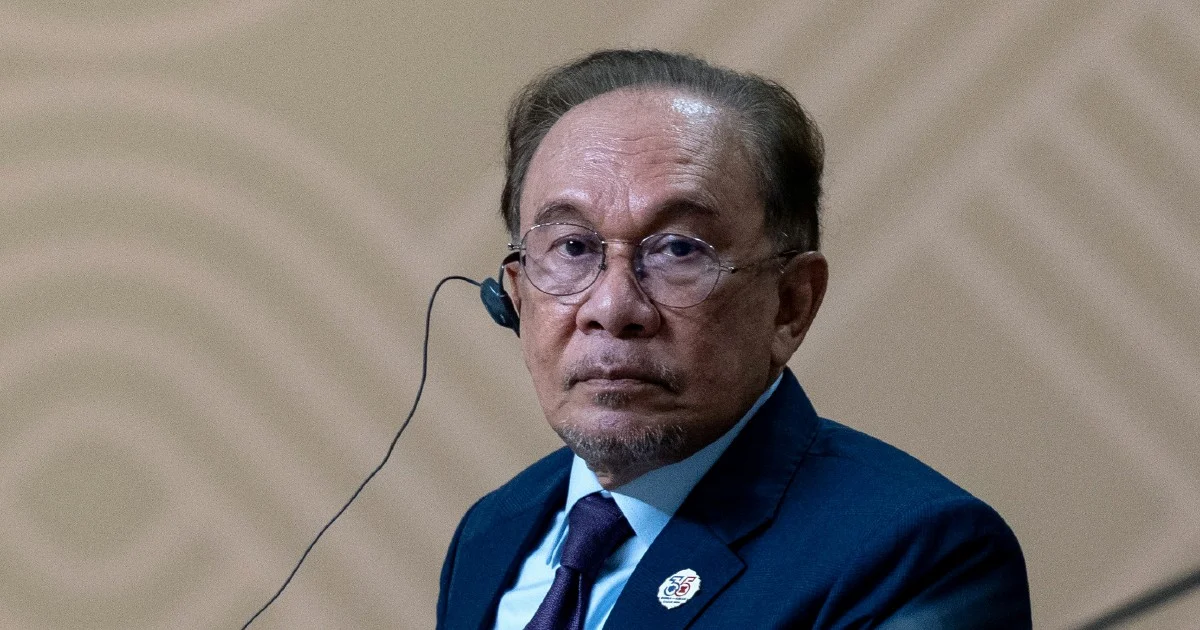
Prime Minister Datuk Seri Anwar Ibrahim has successfully secured a High Court order exempting him from obligations to testify as a witness in a RM30 million civil lawsuit, the judiciary confirmed. The decision came after the Prime Minister filed an application requesting that the court vacate the subpoena compelling his attendance.
The High Court's determination reflects a significant development in legal proceedings that had previously ordered the nation's top political leader to provide testimony. The nature of the civil dispute and the specific reasons behind the RM30 million claim remain central to understanding the legal landscape surrounding this matter.
Courts regularly evaluate applications from high-ranking government officials seeking exemption from witness obligations, weighing competing interests between the administration of justice and the operational requirements of government. These assessments involve careful consideration of whether a public official's attendance would create undue disruption to essential state functions or whether alternative means of obtaining necessary evidence exist.
The decision holds implications for the broader question of accountability mechanisms involving Malaysia's political leadership. While government officials remain subject to the law like ordinary citizens, courts must balance the practical demands of maintaining government continuity against the principle that no person is above the judicial process. This tension has prompted ongoing debate among legal scholars and practitioners about appropriate boundaries for executive privilege in civil litigation.
Subpoena applications involving heads of government or senior ministers typically generate substantial judicial scrutiny. Courts must examine whether testimony is genuinely material to resolving the dispute, whether the official's personal knowledge is indispensable, and whether other witnesses or evidence could adequately address the relevant facts. The High Court's decision suggests that at least one of these factors favoured Anwar Ibrahim's position.
The RM30 million lawsuit's underlying merits and the identity of other parties involved provide essential context for assessing the decision's significance. Civil disputes of this magnitude frequently involve commercial transactions, contractual disagreements, or property-related claims where witness testimony proves crucial. The involvement of a sitting prime minister as a subpoenaed witness elevates the case's profile and complicates procedural matters substantially.
Malaysia's legal system has increasingly encountered situations requiring courts to balance executive governance needs against judicial independence and the proper functioning of civil litigation. Recent years have witnessed several high-profile cases involving government officials navigating similar challenges. The judiciary's approach in such situations reflects Malaysia's constitutional framework, which provides for separation of powers while maintaining avenues for officials to face legal accountability.
The exemption granted to Anwar Ibrahim does not necessarily conclude the underlying lawsuit. Courts must now determine whether the plaintiff and defendant can proceed without the Prime Minister's testimony, whether depositions or written statements might substitute for live evidence, or whether other remedies might prove satisfactory to all parties. The case's trajectory will depend significantly on how remaining evidence develops and whether the parties can reach settlement.
From a governance perspective, the decision touches upon the practical realities of expecting a serving prime minister to balance ministerial responsibilities with extended courtroom appearances. Constitutional democracies worldwide grapple with similar questions about whether ordinary judicial procedures can accommodate executives responsible for continuous administrative functions. The High Court's reasoning—though not fully detailed in available reports—likely addressed these practical considerations.
The implications extend beyond the immediate dispute. Political observers note that such decisions potentially establish precedent for future cases involving senior government figures. If courts routinely excuse top officials from witness obligations, this might raise questions about whether certain citizens effectively operate beyond ordinary judicial reach. Conversely, imposing unreasonable burdens on serving prime ministers could genuinely impair government operations and create perverse incentives for frivolous litigation targeting executives.
Legal professionals in Malaysia will scrutinize the High Court's judgment rationale once published in detail. The decision's reasoning will clarify whether the court prioritized executive privilege, practical governance considerations, procedural alternatives, or specific weaknesses in the plaintiff's case. This clarity proves essential for understanding how future applications from government officials might be evaluated.
For citizens following the broader narrative, the case underscores that Malaysia's judicial system continues asserting its authority to review even prime ministerial conduct and claims. Anwar Ibrahim's successful application does not represent blanket immunity but rather a specific judicial determination in particular circumstances. Whether this decision strengthens or weakens overall accountability mechanisms remains contested among legal analysts and political commentators.