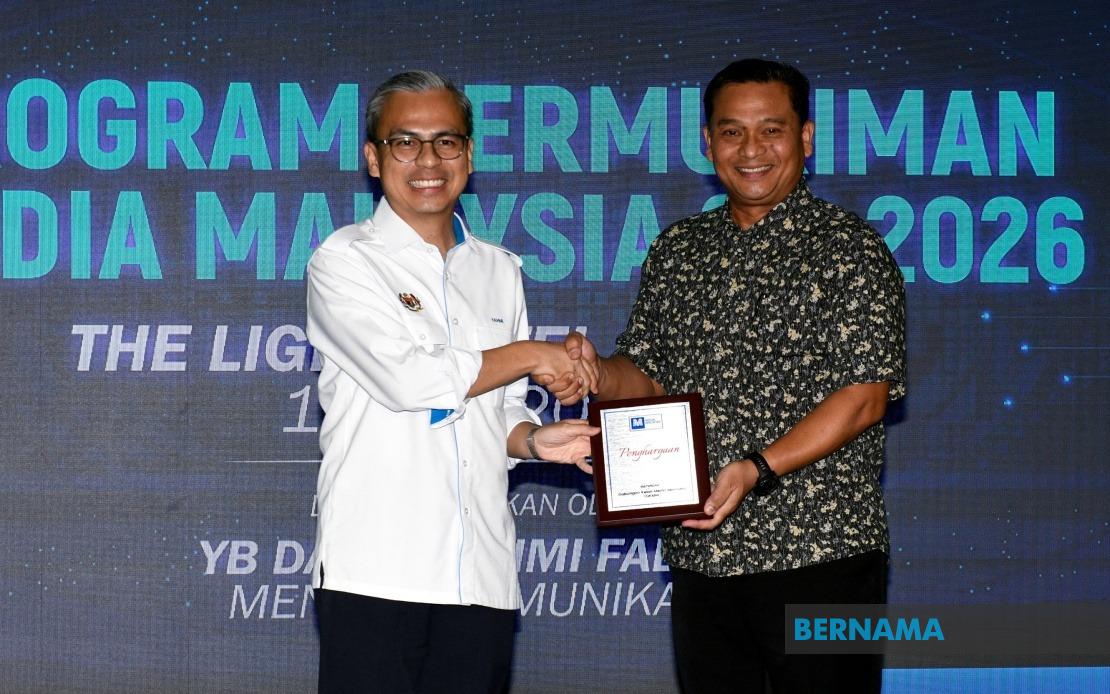
The Communications Ministry is channelling fresh financial support to Malaysia's media sector through targeted grants aimed at strengthening professional organisations and safeguarding journalism practitioners' interests. Communications Minister Datuk Fahmi Fadzil unveiled the funding initiative at the Malaysia Media Retreat Programme 2.0 in Butterworth on June 19, signalling renewed government commitment to the fourth estate during a period of significant media industry transformation.
Under the allocation, every state media club holding membership in the Malaysian Media Clubs Association, commonly known as GKMM, will receive RM10,000 individually, while the umbrella organisation itself secures RM30,000 to finance activities and programmes centred on journalist welfare. The minister stressed that these resources should be deployed strategically to generate maximum benefit for the media workforce, reflecting broader concerns within the profession about economic sustainability and professional conditions.
Fahmi's announcement carries particular weight given the evolving landscape of Malaysian journalism, where traditional outlets face competitive pressures from digital platforms and changing audience consumption patterns. By directing resources toward practitioners' welfare infrastructure, the government is attempting to signal that sustaining professional journalism remains a policy priority, even as the industry undergoes structural adjustment. The funding demonstrates recognition that media clubs serve as crucial intermediaries between individual journalists and policymakers, particularly on issues affecting employment security and professional development.
Central to the minister's framing was an emphatic assertion that artificial intelligence cannot replace human journalists despite technological advancement. This defence of journalism's continued relevance became a recurring theme, with Fahmi insisting that without practising journalists gathering information from primary sources and subjecting it to professional scrutiny, the information ecosystem itself suffers. The statement addresses anxieties within the profession about automation's threat to livelihoods, positioning government support as essential to preserving investigative capacity and accountability journalism in Malaysia.
The minister's characterisation of GKMM's role extends beyond simple representation. Although the association lacks formal workers' union status—a distinction that reflects Malaysia's particular institutional framework for labour relations—Fahmi acknowledged its capacity to aggregate and communicate the profession's grievances to government bodies. This positioning allows GKMM to function as a quasi-advocacy body while sidestepping union-related regulatory frameworks, enabling dialogue on practitioner concerns ranging from remuneration to workplace conditions without triggering statutory union mechanisms.
Context matters significantly for understanding this initiative. The government has recently undertaken substantial legislative reforms affecting media operations, most notably through the Malaysian Media Council Act. Rather than imposing regulatory changes unilaterally, Fahmi indicated that policymakers incorporated suggestions from industry stakeholders during the drafting process. This consultative approach suggests an attempt to build legitimacy for media governance reforms by demonstrating genuine engagement with practitioners' input, thereby positioning new regulations as collaborative rather than top-down mandates.
For Malaysia's media practitioners, particularly those working in regional and state-based outlets, the RM10,000 per club allocation offers modest but meaningful resources for professional development activities, welfare assistance programmes, or professional training initiatives. Given that many state media clubs operate with limited budgets, this injection of government funding could enable expanded fellowship programmes, mental health support services, or continuing education initiatives that individual clubs struggle to fund independently. The allocation recognises economic disparities between major metropolitan news organisations and smaller regional outlets.
The broader strategic implication extends to media independence and government relations. By funding professional associations rather than individual news organisations, the ministry maintains a degree of separation between state support and editorial operations, theoretically reducing concerns about direct political influence over newsroom decisions. However, such government funding arrangements inevitably create complex dynamics, as recipients may feel pressured to maintain cordial relationships with their benefactors, potentially affecting coverage of controversial government policies. Malaysian media practitioners and media freedom advocates will likely scrutinise whether this funding comes with implicit or explicit expectations regarding coverage patterns.
The presence of senior Communications Ministry officials, including secretary-general Datuk Abdul Halim Hamzah and Malaysian National News Agency leadership, underscored the government's seriousness about the initiative. This high-level attendance at the media retreat signals that journalist welfare and professional sector sustainability have moved up the priority hierarchy within the ministry. The participation of Bernama executives also suggests coordination between government communications strategy and the media profession's institutional interests.
For Southeast Asian media landscapes grappling with similar pressures—declining advertising revenue, digital disruption, and evolving regulatory environments—Malaysia's approach of funding professional associations rather than individual outlets offers a potential model. However, effectiveness depends substantially on how recipient organisations deploy these resources and whether they maintain advocacy independence when addressing issues that may conflict with government preferences. The test of this initiative's success will be whether media clubs use the funding to strengthen professional standards, support struggling journalists, and advance industry interests in ways that government officials sometimes find uncomfortable.
Looking forward, Fahmi's emphasis on government-media collaboration during policy formulation suggests anticipated engagement on emerging issues, potentially including digital regulation, misinformation control, and broadcast licensing reforms. As Malaysia navigates rapid technological change and evolving information ecosystems, maintaining constructive dialogue between communications authorities and journalism practitioners becomes increasingly important. The announced funding represents a financial gesture underpinning that dialogue, though the real measure of commitment will emerge through sustained engagement on substantive professional issues affecting Malaysia's journalism sector.