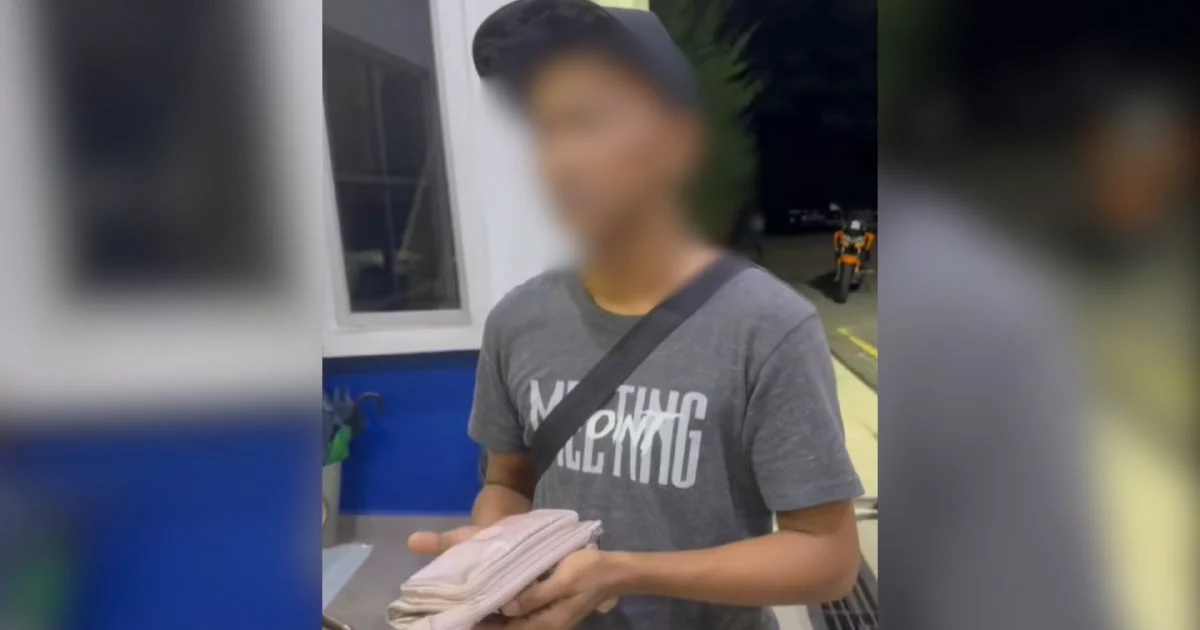
Authorities in Kajang have taken a 37-year-old delivery worker into custody following allegations that he misappropriated RM10,000 in cash from a wallet that was left behind at a supermarket in the Semenyih area. The arrest represents another case in a pattern of theft incidents involving found valuables at shopping venues across the Klang Valley region.
The incident underscores the vulnerability of shoppers who inadvertently leave personal items unattended while navigating retail environments. Supermarkets, despite their commercial setting and the presence of staff members, remain venues where such losses occur with relative frequency. The recovery and proper handling of lost property at these establishments continues to present challenges for both management and patrons who depend on honest behaviour from those who encounter their belongings.
The delivery sector in Malaysia employs hundreds of thousands of workers who move through various commercial spaces daily as part of their occupational duties. This employment category has occasionally featured in crime reports, though the vast majority of practitioners conduct their work lawfully. The arrest of this individual serves as a reminder that opportunistic theft can occur across different occupational groups and that remaining vigilant about personal possessions remains prudent in public spaces.
Local police conducted the investigation and made the arrest, demonstrating commitment to investigating property crimes that affect ordinary citizens. Such cases, while individually modest in scope compared to larger criminal enterprises, matter significantly to victims who lose earnings or savings. The amount involved—RM10,000—represents a substantial sum for many Malaysian households, potentially constituting several months of income for middle-income earners or essential funds for unexpected expenses.
Supermarket management protocols typically include procedures for handling discovered items, with many establishments maintaining lost-and-found sections that operate according to specified retention periods before unclaimed items are disposed of or donated. However, the vulnerability of cash specifically—which lacks identifying features—creates particular challenges in ensuring that such funds reach their rightful owners. This vulnerability may have contributed to the alleged breach of trust in this instance.
The Semenyih area, located within the Hulu Langat district on the eastern periphery of the Klang Valley, experiences steady commercial activity as part of greater Selangor's suburban expansion. Retail theft and property crime remain persistent concerns for retailers and customers across this rapidly developing region, where population density and foot traffic have increased substantially over recent years.
This case reflects broader issues surrounding property crime prevention in Malaysia's retail sector. Training staff to promptly secure discovered items, implementing surveillance in vulnerable areas, and educating customers about personal security measures all form part of a comprehensive approach to minimising such incidents. Major supermarket chains have increasingly invested in security infrastructure, yet determined individuals continue to pose risks despite these efforts.
For delivery workers themselves, the arrest may carry reputational implications for the broader occupational category, potentially affecting public perception and trust in delivery services more broadly. The gig economy and delivery sector have expanded dramatically across Malaysia in recent years, particularly following pandemic-related shifts toward online shopping and food delivery. Maintaining public confidence in these service providers remains important for the sector's continued growth and sustainability.
Investigators will likely examine whether the discovery of the wallet and the subsequent removal of funds occurred as claimed, gathering evidence from supermarket surveillance footage and witness statements. The coordination between retail management, local law enforcement, and investigative teams demonstrates the procedural mechanisms that support victim recovery when theft is suspected.
Cases involving found valuables also raise practical questions for ordinary citizens about optimal responses when discovering others' belongings in public spaces. Handing items to supermarket customer service counters or security personnel represents the legally and ethically appropriate course of action, reducing opportunities for misappropriation and establishing clear custody chains.
This incident serves as a cautionary example for shoppers across Malaysia to maintain awareness of their personal belongings while shopping, securing wallets and valuables closely rather than leaving them unattended on shopping trolleys or seats. The theft highlights that criminal opportunity can present itself in ordinary commercial settings where vigilance might be relaxed.