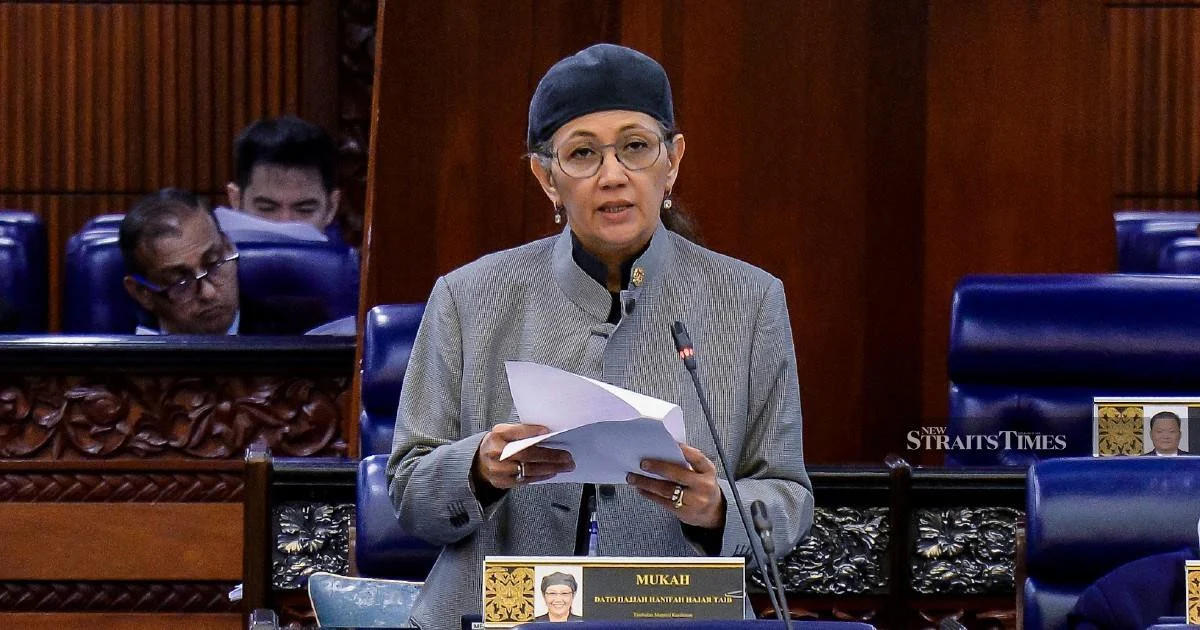
Malaysia's Health Ministry has established a specialised investigative committee tasked with scrutinising claims that its medical officers engaged in improper conduct related to the Taiping Prison disturbance that erupted in January of the preceding year. The formation of this dedicated oversight body signals the government's commitment to examining the role healthcare professionals may have played during the prison incident, which had raised significant questions about the adequacy of medical oversight within the country's correctional facilities.
Prison incidents involving allegations of medical negligence or misconduct are matters of considerable concern in the Malaysian penal system, where detainee welfare—particularly health and safety—remains under sustained public and international scrutiny. The establishment of this formal investigative mechanism reflects the seriousness with which the ministry is treating the allegations, as well as broader governmental recognition that incidents within custodial settings demand transparent and thorough examination by relevant authorities.
The Taiping Prison disturbance of January represented a significant episode within Malaysia's correctional infrastructure, and the circumstances surrounding it have generated ongoing discourse about institutional management, prisoner welfare, and the intersection between medical services and security operations. By instituting this committee, the Health Ministry is positioning itself to independently assess whether its personnel met established professional standards during the relevant period, and to determine whether systemic issues exist that could require remedial intervention.
Investigations of this nature are particularly important given the vulnerable circumstances of incarcerated individuals, who depend substantially upon prison authorities and government health services for their medical care. Any alleged failure in duty during a major disturbance could have serious implications for both the individuals directly affected and for broader public confidence in the correctional system's capacity to protect those within its charge. The presence of a dedicated Health Ministry committee ensures that the investigation will incorporate medical and professional expertise rather than relying solely upon investigative bodies unfamiliar with healthcare protocols and standards.
The timing of this investigation, coming months after the initial incident, underscores the complexity inherent in examining events within correctional environments, where multiple agencies maintain overlapping responsibilities and where obtaining comprehensive evidence can present procedural challenges. Nevertheless, the formation of the committee demonstrates that authorities are committed to eventually providing clarity on what transpired and whether professional standards were upheld.
For Malaysian healthcare practitioners, particularly those working within institutional settings such as prisons, this investigation carries significance as a high-profile examination of professional conduct. It reinforces the expectation that medical officers—regardless of the circumstances of their work environment—must adhere rigorously to established codes of ethics and professional practice. The findings may also have implications for how medical services are structured and supervised within correctional facilities throughout the country.
The Taiping incident also highlights broader systemic questions about prison healthcare delivery in Malaysia. Correctional facilities across the country frequently operate with constrained resources and complex security-medical service coordination challenges. Understanding what occurred at Taiping could yield insights applicable to other institutions, potentially informing reforms to ensure that medical professionals can perform their duties effectively whilst maintaining safety and security protocols.
From a governance perspective, the committee's establishment reflects modern expectations regarding transparency and accountability within Malaysian public institutions. Rather than allowing allegations to remain unresolved or unexamined, the formal investigation process provides a structured mechanism for fact-finding, evidence evaluation, and ultimately accountability if misconduct is substantiated. This approach aligns with international standards for institutional oversight and helps maintain public confidence in the integrity of Malaysia's health and correctional systems.
The investigation's outcomes will likely shape future protocols governing medical personnel interactions during security incidents within prisons. If the committee identifies specific failures or systemic vulnerabilities, recommendations could lead to revised training programmes, clearer chains of command, enhanced medical-security coordination procedures, or other corrective measures. Such reforms would ultimately serve to strengthen institutional capacity to respond appropriately to critical incidents whilst safeguarding both security objectives and healthcare principles.
For Southeast Asian regional observers, Malaysia's approach to investigating institutional misconduct allegations demonstrates how middle-income countries can establish accountability mechanisms within their public services. The transparent establishment of this investigative body, rather than allowing questions to persist without formal examination, contributes to a governance model increasingly expected in the region.
Stakeholders including prisoner advocacy organisations, healthcare professional bodies, and civil society groups will likely monitor this investigation closely, recognising that its findings and recommendations could influence how similar situations are handled in future correctional incidents. The committee's work thus carries significance extending beyond the immediate case, potentially establishing precedents for institutional accountability across Malaysia's public services.

