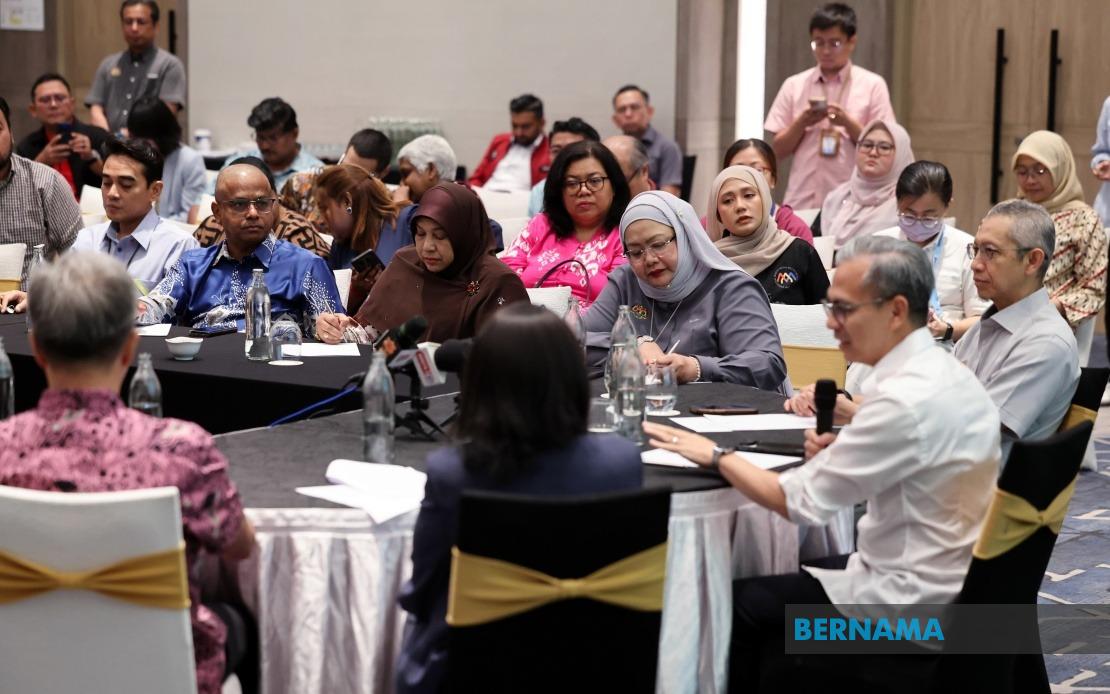
Media professionals and strategic partners from Malaysia and across the ASEAN region have commenced their arrival at the PICCA@Arena Butterworth Convention Centre for the National Journalists' Day summit, signalling the beginning of a significant regional gathering dedicated to advancing journalistic standards and cross-border media cooperation. The influx of delegates reflects growing recognition within Southeast Asia that media institutions play a critical role in shaping public discourse and maintaining democratic institutions at both national and regional levels.
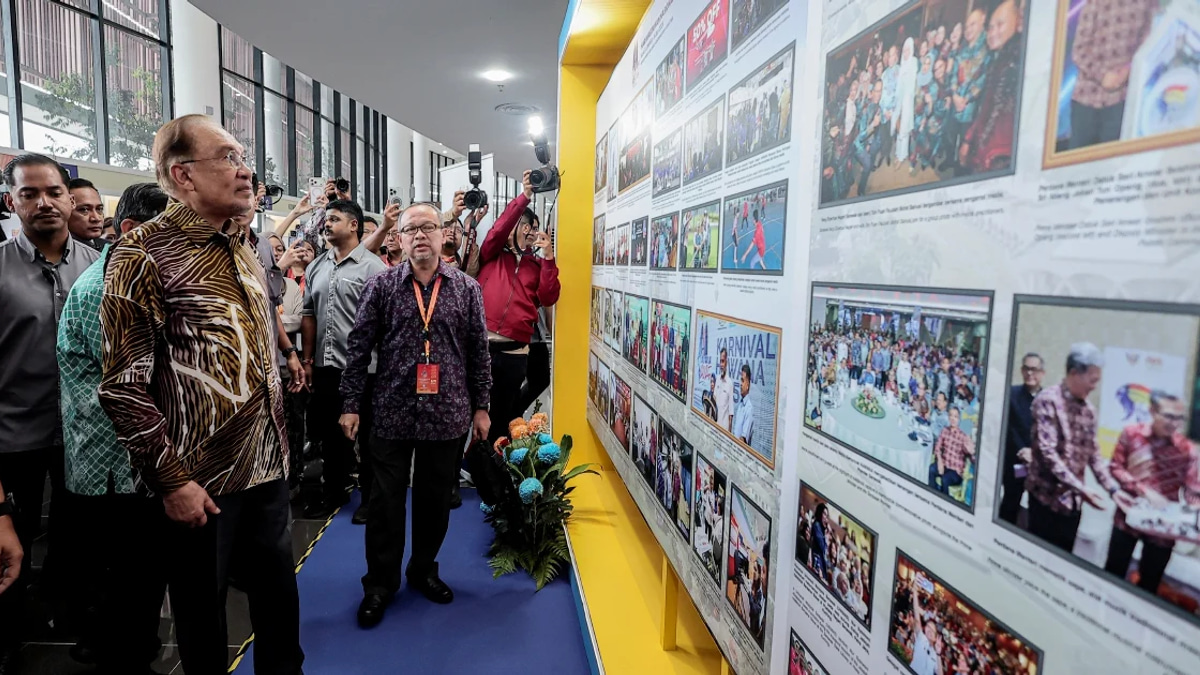
The event brings together approximately 1,000 journalists, news editors, broadcast professionals and media managers from multiple countries and organisations. Early arrivals seized the chance to browse exhibition stands showcasing innovations in news distribution, digital journalism platforms and media technology solutions, while a specially curated photo gallery documenting the history of Malaysian journalism occupied the convention centre foyer. Many delegates used the informal setting to reconnect with counterparts whom they interact with professionally but see only intermittently due to geographic distances and competing work commitments across the region.
The participation of media representatives and official delegations from ASEAN member states underscores HAWANA's expanding mandate beyond domestic recognition of journalistic excellence. By facilitating direct engagement between practitioners across borders, the summit strengthens institutional networks and creates channels for sharing best practices in editorial standards, source verification and reporting methodologies. These connections prove invaluable when regional stories—whether political developments, economic trends or public health issues—require coordinated coverage and mutual understanding of different national contexts.
Organised under the stewardship of the Ministry of Communications, with Bernama (Malaysian National News Agency) serving as the implementing body, HAWANA operates as an annual platform acknowledging the professional commitment of media workers who dedicate themselves to delivering accurate, independently verified and credible reporting. The summit's chosen theme, 'Media Integrity Strengthens Credibility', addresses persistent challenges facing news organisations worldwide, including questions about source reliability, editorial independence and the capacity of traditional media to compete with unverified information circulating on social platforms.
Prime Minister Datuk Seri Anwar Ibrahim's scheduled presence as chief officiant signals government commitment to supporting press freedom and professional journalism standards at the highest political level. This institutional backing carries symbolic weight in a regional context where media independence occasionally faces pressure from competing state and commercial interests. The involvement of a sitting prime minister in honouring media professionals sends a message that Malaysia recognises journalism's constructive role in supporting informed citizenship and transparent governance.
For Malaysian readers and media professionals, the summit offers particular relevance given domestic discussions about how news organisations balance commercial pressures with editorial integrity. The regional dimension adds perspective, allowing Malaysian journalists to observe how counterparts in neighbouring countries address similar tensions between audience engagement, advertiser expectations and reporting accuracy. Cross-border learning becomes especially valuable when countries share similar media ecosystems, regulatory frameworks or audience demographics.
The gathering also reflects broader Southeast Asian trends toward professionalising journalism at a time when economic pressures on traditional news outlets have intensified. With advertising revenues fragmenting across digital platforms and reader subscriptions proving difficult to monetise, many regional news organisations face staffing constraints and budget limitations. By celebrating journalistic dedication and creating networking opportunities, HAWANA helps sustain professional morale and reinforces shared commitment to quality reporting as a counterweight to purely commercial considerations.
For ASEAN as a regional organisation, the summit demonstrates how people-to-people professional networks complement formal governmental channels. While ASEAN's political mechanisms focus on diplomatic and economic cooperation, informal gatherings of journalists, academics and civil society practitioners build complementary relationships that facilitate understanding across borders. These networks often prove valuable during crises or misunderstandings, as journalists with established relationships across the region can communicate nuance and context that formal statements might miss.
The exhibition component highlights technological and operational innovations reshaping journalism in the digital age. Media organisations increasingly adopt data journalism techniques, artificial intelligence-assisted research tools and real-time collaboration platforms that allow distributed teams to work across time zones. Malaysian news organisations attending such summits gain exposure to international best practices and technical solutions that smaller outlets might otherwise access only through expensive consulting firms.

%22%2F%3E%3C%2Fpattern%3E%3C%2Fdefs%3E%3Crect%20width%3D%22100%25%22%20height%3D%22100%25%22%20fill%3D%22url(%23ph2hy9vg)%22%2F%3E%3Crect%20width%3D%22100%25%22%20height%3D%22100%25%22%20fill%3D%22url(%23ph2hy9vp)%22%2F%3E%3Ctext%20x%3D%2250%25%22%20y%3D%2250%25%22%20text-anchor%3D%22middle%22%20dominant-baseline%3D%22central%22%20fill%3D%22rgba(255%2C255%2C255%2C0.95)%22%20font-family%3D%22Georgia%2C%20'Times%20New%20Roman'%2C%20serif%22%20font-weight%3D%22700%22%20font-size%3D%22272%22%20letter-spacing%3D%22-0.02em%22%3EAnwar%3C%2Ftext%3E%3C%2Fsvg%3E)