Butterworth, Penang is hosting a significant milestone for Malaysia's journalism community this week as the HAWANA 2026 Summit opens its doors with a comprehensive photo exhibition that documents nearly a decade of the country's National Journalists' Day celebrations. The gallery, established at the PICCA Convention Centre @ Arena Butterworth, serves as both a historical record and a tribute to the media professionals who have shaped the nation's news landscape while highlighting the charitable initiatives that support colleagues in distress.
The exhibition unfolds across two distinct thematic sections, each designed to tell a different but complementary story about journalism in Malaysia. The first segment traces the evolution of HAWANA from its inception in 2018 through to 2025, capturing moments from the annual celebrations that have become integral to the local media calendar. This historical perspective provides visitors with a chronological journey through eight years of industry-wide recognition and fellowship. The second section shifts focus to the human dimension of journalism, presenting visual narratives of individuals who have benefited from Tabung Kasih@HAWANA, the welfare fund that has become a lifeline for media practitioners confronting serious health challenges, economic hardship, or other personal crises that threaten their livelihoods and dignity.
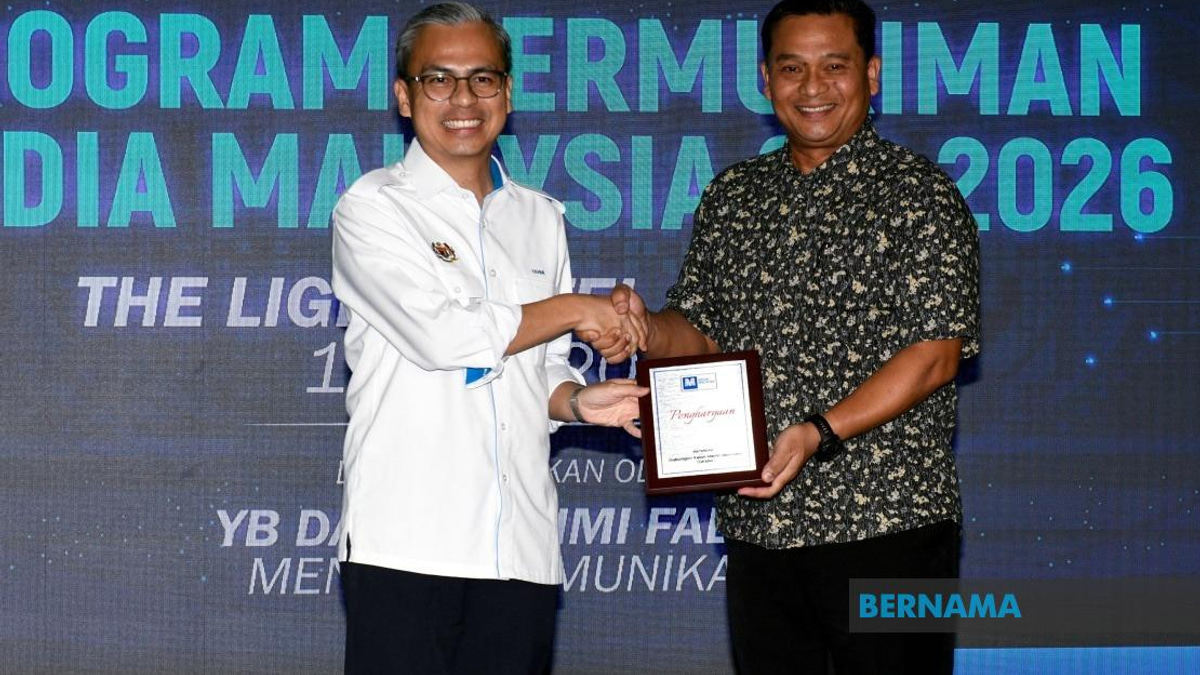
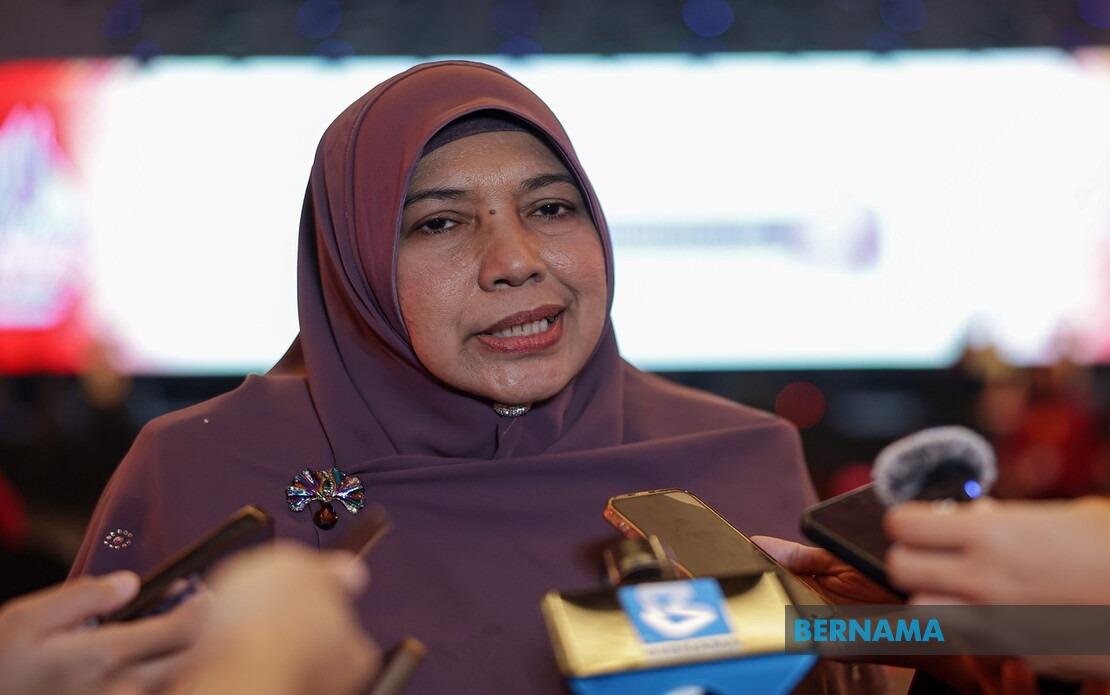
Datin Paduka Nur-ul Afida Kamaludin, chief executive officer of Bernama (Malaysian National News Agency) and chairman of the HAWANA 2026 Working Committee, emphasized that the exhibition represents a deliberate effort to illuminate work that typically remains invisible to the public eye. Throughout the year, Bernama operates quietly as both the secretariat managing Tabung Kasih@HAWANA and the administrative body coordinating the celebration itself, yet these behind-the-scenes contributions rarely receive public acknowledgement. The photo gallery exists partly to remedy this oversight, allowing the news agency to demonstrate its commitment to supporting the broader journalism ecosystem beyond its core newsgathering functions. This transparency is particularly important in an era when media organizations face mounting scrutiny and declining public confidence, as it underscores journalism's capacity for internal solidarity and mutual care.
The curation process behind the exhibition reflects meticulous attention to detail and accessibility. Mohamad Bakri Darus, editor of the Bernama Photo Desk, explained that the Bernama team undertook a rigorous selection process to identify photographs that would resonate most powerfully with visitors. Each image carries bilingual captions in both Malay and English, a practical decision that reflects Malaysia's linguistic diversity while ensuring that the stories and context behind each photograph remain clear and comprehensible to all viewers regardless of their primary language. This bilingual approach also signals respect for both national and international audiences who may engage with the exhibition.
The visual narrative encompasses the full spectrum of HAWANA programming across different years and locations, reminding participants of the celebration's journey across Malaysia's major urban centres. Previous editions have unfolded in Kuala Lumpur (serving as host in both 2018 and 2025), Melaka in 2022, Ipoh in Perak during 2023, and Kuching in Sarawak in 2024. This geographical rotation underscores HAWANA's commitment to ensuring that journalists from all corners of the country feel included and valued, rather than concentrating the celebration within a single metropolitan area. Each location brought distinct regional flavours and local media communities into the fold, expanding the celebration's reach and relevance.
The core programming captured in the exhibition demonstrates the breadth of HAWANA's scope. Strategic Partner Meetings have brought together stakeholders to discuss industry challenges and opportunities. Media Forums have facilitated substantive discussions on contemporary journalism issues. The HAWANA-DBP Pantun Festival added a cultural dimension, celebrating Malaysia's rich literary heritage while engaging journalists in creative expression beyond their professional duties. The carnival and exhibition components created festive atmospheres that emphasized community and celebration, while sports programming fostered camaraderie and physical wellness among participants. This multifaceted approach reflects an understanding that professional recognition encompasses not merely career achievement but also holistic wellbeing and cultural participation.
Tabung Kasih@HAWANA itself represents a critical infrastructure within Malaysia's journalism sector, addressing a gap that formal insurance and pension schemes often leave unfilled. Journalists operating as freelancers, those working for smaller publications, and even staff members at larger organizations sometimes find themselves in vulnerable positions when sudden illness, injury, or family crisis strikes. The fund provides material assistance during these critical moments, preserving journalists' dignity and enabling them to maintain financial stability while recovering or managing unprecedented challenges. By documenting the stories of recipients, the exhibition humanizes the abstract concept of industry welfare and demonstrates its tangible impact on real lives.
The strategic decision to establish this exhibition immediately before the Prime Minister's official opening of the HAWANA 2026 Summit carries symbolic weight. Prime Minister Datuk Seri Anwar Ibrahim's attendance lends national importance to a celebration that might otherwise be perceived as an internal media industry matter. The gallery thus positions journalism and journalist welfare as matters of national significance worthy of high-level government attention. This elevation of status may help secure ongoing political support for Tabung Kasih@HAWANA and encourage other sectors to develop comparable mutual aid mechanisms for their professional communities.
For Malaysian readers and the broader Southeast Asian journalism community, this exhibition offers several important messages. It demonstrates that press freedom and professional recognition extend beyond the right to report without censorship to include creating conditions where journalists can work sustainably and access support during personal crises. It shows that media organizations themselves can take leadership in building solidarity mechanisms rather than waiting for government or external actors to address welfare gaps. The exhibition also provides younger journalists with historical context, helping them understand how their profession has evolved and how the norms and institutions supporting them have developed over time.
The bilingual presentation and accessibility of the exhibition reflects contemporary international best practices in museum and gallery curation. By making the stories of both HAWANA's history and Tabung Kasih's beneficiaries accessible in multiple languages, Bernama acknowledges that journalism exists within increasingly global networks of practice and mutual interest. Malaysian journalists often engage with international media organizations, contribute to regional publications, and participate in cross-border editorial projects, making the ability to communicate these stories internationally a practical necessity as well as a gesture of cultural respect.
As the HAWANA 2026 Summit commences, this photo gallery stands as a testament to Malaysian journalism's capacity for introspection, community building, and collective support. Rather than presenting journalism solely through the lens of political confrontation or isolated individual achievement, the exhibition emphasizes journalism as a communal profession where practitioners recognize their interdependence and organize collectively to ensure no colleague faces crisis alone. In an international context where journalism increasingly faces financial pressure and public mistrust, such demonstrations of professional solidarity and self-organization carry particular significance and offer valuable models for journalists elsewhere in Southeast Asia and beyond.