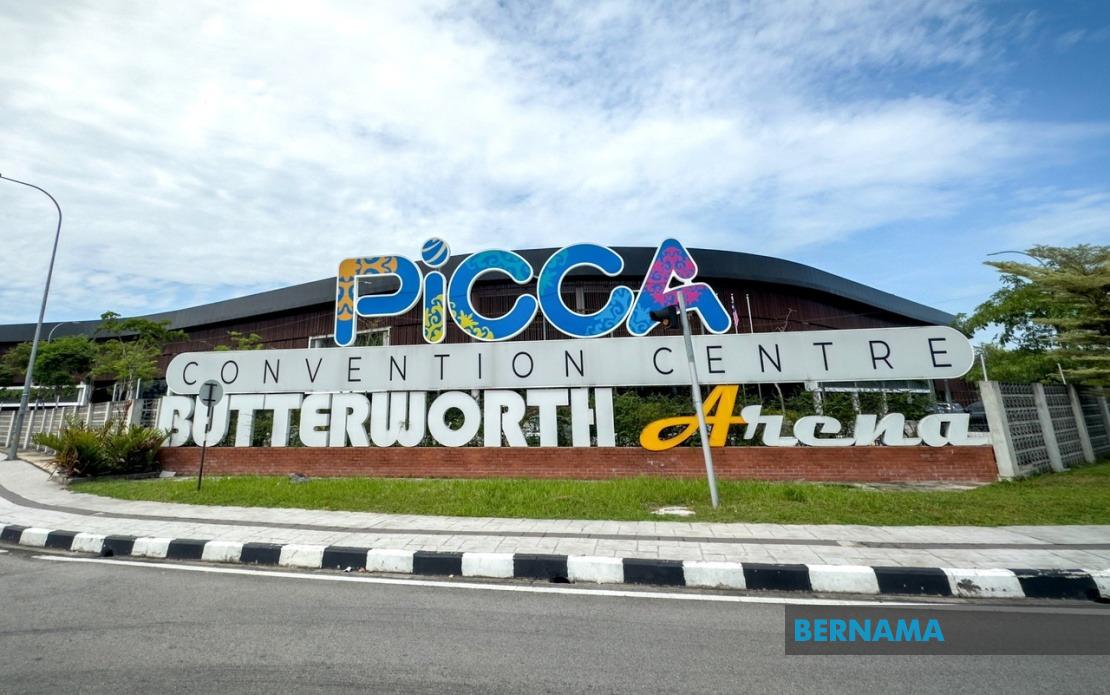
Malaysia's National Journalists' Day (HAWANA) 2026 culminates today at the PICCA@Arena Butterworth Convention Centre, drawing approximately 1,000 journalists and media professionals from across Malaysia and overseas. The event represents the pinnacle of this year's celebrations, which have been organised jointly by the Ministry of Communications with Bernama as the executing agency.
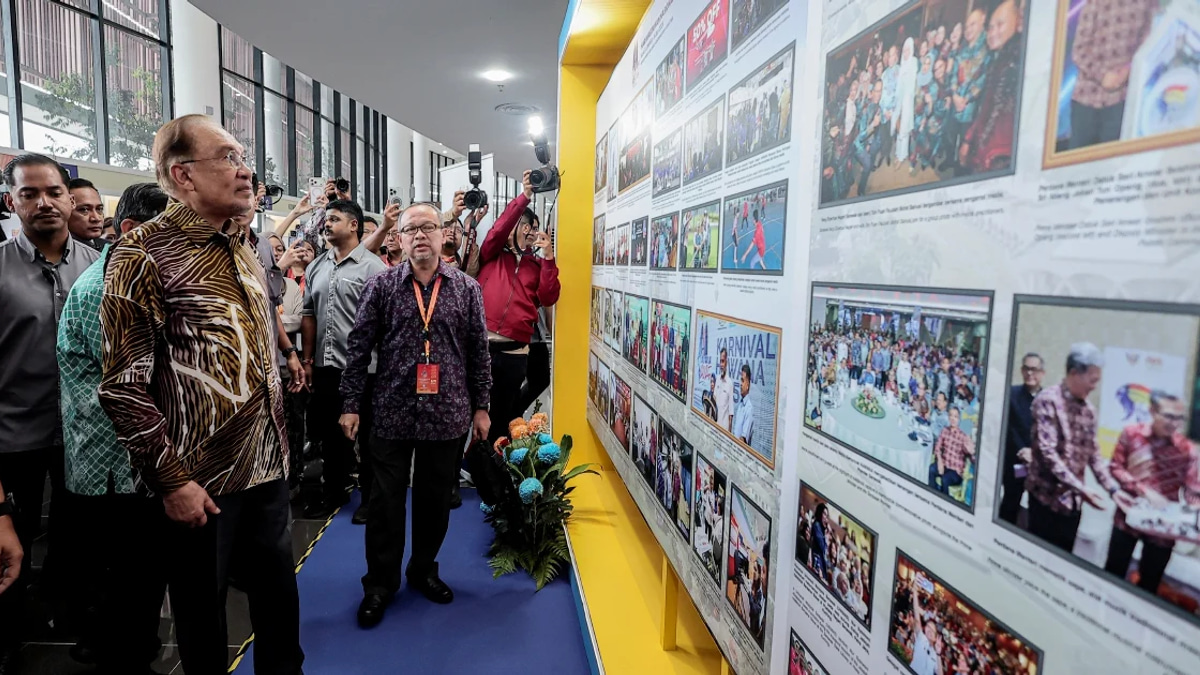
Prime Minister Datuk Seri Anwar Ibrahim will officially launch the proceedings at 3 pm, lending significant political weight to the occasion. The sixth edition's overarching theme, "Media Integrity Strengthens Credibility," underscores ongoing concerns within Malaysia about the quality and trustworthiness of information disseminated through news channels. This thematic emphasis reflects broader regional and global anxieties regarding media standards and the proliferation of misinformation in an increasingly digital landscape.
The gathering represents a cross-section of Malaysia's political and media establishment. Penang Chief Minister Chow Kon Yeow and Communications Minister Datuk Fahmi Fadzil are scheduled to attend, alongside key administrative figures including Communications Ministry secretary-general Datuk Abdul Halim Hamzah. Bernama leadership, encompassing Chairman Datuk Seri Wong Chun Wai and Chief Executive Officer Datin Paduka Nur-ul Afida Kamaludin, will likewise be present, as will senior representatives from the nation's major news organisations.
International participation adds a regional dimension to the celebrations. Delegations from Indonesia's Antara News Agency, Vietnam News Agency (VNA), and Xinhua News Agency are expected to attend, alongside representatives from the Indonesian Journalists Association and the Malaysia-Indonesia Journalists Friendship Association (ISWAMI). This cross-border attendance acknowledges the interconnected nature of Southeast Asian journalism and the shared challenges facing media institutions throughout the region in maintaining standards and public trust.
The centrepiece of today's proceedings involves presenting the HAWANA Award and Special HAWANA Award to individuals deemed to have rendered exceptional service to journalism and influenced public understanding. The Prime Minister will also oversee distribution of Tabung Kasih@HAWANA contributions, which support media veterans experiencing financial hardship. These recognitions highlight the profession's intrinsic value and provide material assistance to practitioners who have contributed substantially to Malaysian media development.
Beyond the formal ceremony, the parallel RIUH Pi HAWANA Carnival has transformed the convention centre's parking area into a vibrant cultural space over three days. The entertainment programme features performances from established Malaysian musical acts including Exists, Bunkface, Masdo, Sakura Band, Budak Nakal Hujung Simpang, and Chelsea Ng. This cultural component broadens HAWANA's appeal beyond the professional media sector, engaging the general public and underscoring journalism's relevance to everyday Malaysian life.
The carnival marketplace reflects Malaysia's creative economy, hosting more than 24 local creative product vendors alongside 20 food and beverage operators. Interactive workshops complementing these commercial offerings provide educational engagement for attendees, transforming the occasion into a multifaceted celebration that merges professional recognition with public entertainment and education. This approach democratises what might otherwise remain an insular professional gathering, making it accessible to broader constituencies interested in media and communications.
Preparing for today's finale, organisers implemented a structured calendar of preliminary events throughout May and June. The HAWANA 2026 Media Forum convened on May 7, the Strategic Partners Engagement Event took place on June 4, and a Fun Walk mobilised community participation on June 14. These successive programmes built momentum within the journalism community and among stakeholder organisations, cultivating enthusiasm ahead of the grand finale.
HAWANA's annual observance commemorates a foundational moment in Malaysian media history: the publication of Utusan Melayu newspaper's first edition on May 29, 1939. This historical anchor connects contemporary celebrations to the early development of Malaysian journalism, establishing continuity between past struggles and current professional standards. By consistently returning to this date, HAWANA institutionalises recognition of journalism's historical importance to Malaysia's national development.
The broader purpose of HAWANA extends beyond ceremonial commemoration. The event functions as an official platform for recognising journalists' dedication, professionalism, and societal contribution as disseminators of accurate, verified, and authoritative information. In an era marked by misinformation, competing truth claims, and erosion of institutional trust, such affirmation carries particular significance. The gathering reinforces that journalism remains a cornerstone of democratic governance and informed citizenship.
For Malaysia and Southeast Asia, HAWANA 2026 arrives during a period when media credibility faces sustained challenges. Rising digital competition, economic pressures on traditional newsrooms, political polarisation affecting coverage objectivity, and audience fragmentation all strain professional journalism. This year's emphasis on integrity suggests organisers recognise these pressures and seek to reinvigorate commitment to foundational journalistic principles among practitioners gathered in Penang.
The inclusion of international delegations signals regional recognition that media challenges transcend national boundaries. Vietnam, Indonesia, and China all maintain state-aligned news agencies or journalism traditions shaped by distinctive political contexts. Their participation alongside Malaysian colleagues suggests potential dialogue about professional standards, ethical challenges, and the role of journalism across different governance systems. Such exchange may prove valuable as Southeast Asian nations navigate rapid technological change and information environment transformation.

%22%2F%3E%3C%2Fpattern%3E%3C%2Fdefs%3E%3Crect%20width%3D%22100%25%22%20height%3D%22100%25%22%20fill%3D%22url(%23ph2hy9vg)%22%2F%3E%3Crect%20width%3D%22100%25%22%20height%3D%22100%25%22%20fill%3D%22url(%23ph2hy9vp)%22%2F%3E%3Ctext%20x%3D%2250%25%22%20y%3D%2250%25%22%20text-anchor%3D%22middle%22%20dominant-baseline%3D%22central%22%20fill%3D%22rgba(255%2C255%2C255%2C0.95)%22%20font-family%3D%22Georgia%2C%20'Times%20New%20Roman'%2C%20serif%22%20font-weight%3D%22700%22%20font-size%3D%22272%22%20letter-spacing%3D%22-0.02em%22%3EAnwar%3C%2Ftext%3E%3C%2Fsvg%3E)