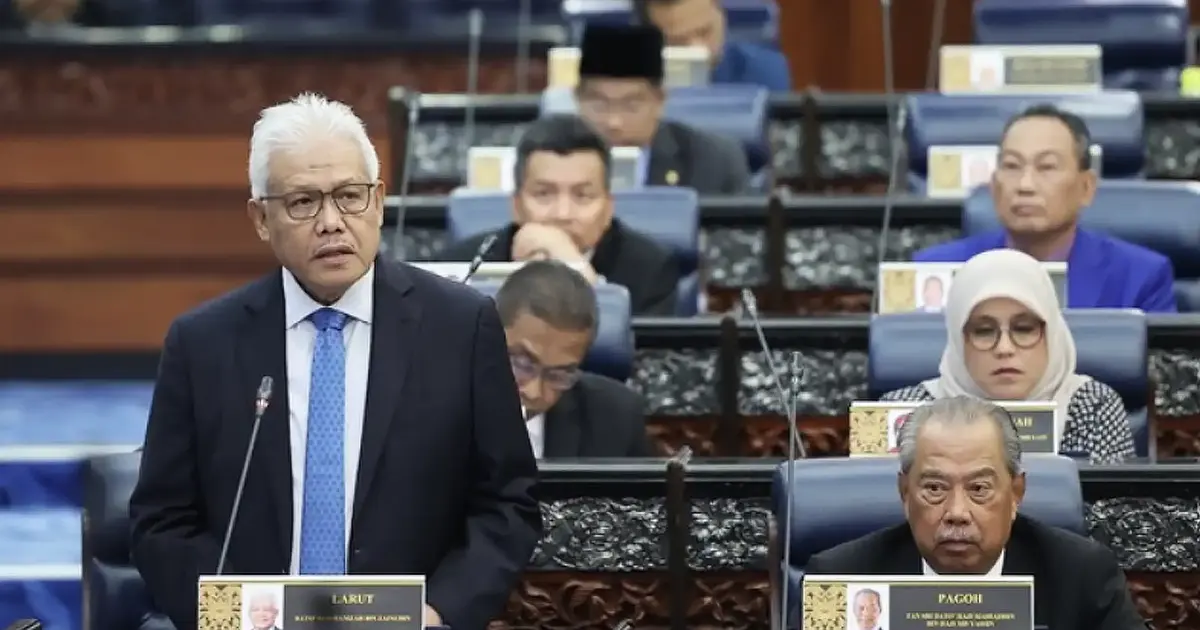
The parliamentary seating arrangements in the Dewan Rakyat have undergone a notable reshuffle, with Hamzah returning to the prominent front-row position designated for the Opposition Leader. The shift marks a visible repositioning within the opposition bloc, as Bersatu president Muhyiddin Yassin, who previously occupied a seat immediately adjacent to the opposition leader's position, has been moved substantially further back along the front bench.
This change in parliamentary seating carries symbolic weight in Malaysia's political landscape, where physical proximity to the Opposition Leader seat often reflects factional influence and standing within the opposition coalition. The front row of the Dewan Rakyat serves as the most visible platform for opposition politics, with camera angles and media coverage frequently capturing interactions and expressions from legislators seated there. For Hamzah, resuming this position reaffirms his central role in leading the parliamentary opposition, whilst the movement of Muhyiddin signals a shift in the internal dynamics of the opposition grouping.
Muhyiddin's relocation eight positions down the front row represents a material change from his previous proximity to the Opposition Leader's seat. This displacement is not merely a matter of parliamentary protocol but reflects deeper questions about the structure and cohesion of Malaysia's opposition movement. Bersatu, the party Muhyiddin leads, has been a crucial component of opposition efforts, and such visible repositioning can influence both internal party morale and public perception of the opposition's organizational hierarchy.
The rearrangement comes at a time when Malaysia's opposition has been navigating complex political alignments and internal negotiations. The positioning of key figures in parliamentary spaces frequently becomes the subject of political commentary, as these arrangements can indicate shifts in coalition leadership, confidence, or strategic priorities. For Malaysian observers, such changes often foreshadow broader developments in opposition strategy or potential realignments within the opposition ranks.
Parliamentary seating in the Dewan Rakyat is typically determined by the Speaker's office based on party representation and designated roles. The Opposition Leader position, as the official leader of the largest opposition coalition or party, commands the most prominent location. The deliberate restructuring of seats within the front row suggests careful consideration of how the opposition intends to present itself to Parliament and the public.
For Southeast Asian politics more broadly, Malaysian parliamentary dynamics deserve attention because they illustrate how opposition movements in Westminster-style legislatures maintain visibility and influence. The physical repositioning of figures like Muhyiddin demonstrates that even in modern parliamentary systems, traditional symbols of power and proximity remain relevant to political messaging and internal coalition management.
Hamzah's return to the Opposition Leader's seat consolidates his role as the public face of the parliamentary opposition. This positioning allows him greater prominence during parliamentary proceedings, including question time and debate sessions, where opposition rhetoric is most scrutinized by media and the public. The symbolic importance of this seat extends beyond aesthetics, affecting how opposition statements are framed and received by the broader electorate.
Muhyiddin's previous adjacency to the Opposition Leader's position had positioned him as a close lieutenant or alternative voice within the opposition coalition. His movement down the front row may reflect evolving leadership arrangements, shifting priorities within Bersatu, or broader coalition negotiations that have altered the relationship between Bersatu and other opposition components. Such changes often occur following internal discussions about representation, campaign strategy, or upcoming parliamentary business.
The implications of this seating change extend to how Malaysian citizens perceive opposition unity and effectiveness. Opposition coalitions are often fragile in Malaysian politics, requiring careful management of competing interests and ambitions among component parties. Public signs of reorganization, such as changes in parliamentary seating, can either reassure supporters that the opposition is functioning coherently or raise concerns about internal discord.
For Hamzah, the reassertion of his front-row position represents a consolidation of parliamentary leadership during a period when opposition credibility and public trust are critical assets. His ability to lead from this prominent vantage point will influence how opposition critiques of government policy are delivered and received during crucial parliamentary sessions ahead.
The Dewan Rakyat seating arrangement also reflects Malaysia's broader political environment, where opposition unity remains essential for challenging government initiatives. The repositioning of Muhyiddin does not necessarily signal weakness but rather reflects the natural evolution of coalition dynamics as priorities shift and leadership structures adjust to meet contemporary political challenges and opportunities.

%22%2F%3E%3C%2Fpattern%3E%3C%2Fdefs%3E%3Crect%20width%3D%22100%25%22%20height%3D%22100%25%22%20fill%3D%22url(%23ph2hy9vg)%22%2F%3E%3Crect%20width%3D%22100%25%22%20height%3D%22100%25%22%20fill%3D%22url(%23ph2hy9vp)%22%2F%3E%3Ctext%20x%3D%2250%25%22%20y%3D%2250%25%22%20text-anchor%3D%22middle%22%20dominant-baseline%3D%22central%22%20fill%3D%22rgba(255%2C255%2C255%2C0.95)%22%20font-family%3D%22Georgia%2C%20'Times%20New%20Roman'%2C%20serif%22%20font-weight%3D%22700%22%20font-size%3D%22272%22%20letter-spacing%3D%22-0.02em%22%3EAnwar%3C%2Ftext%3E%3C%2Fsvg%3E)