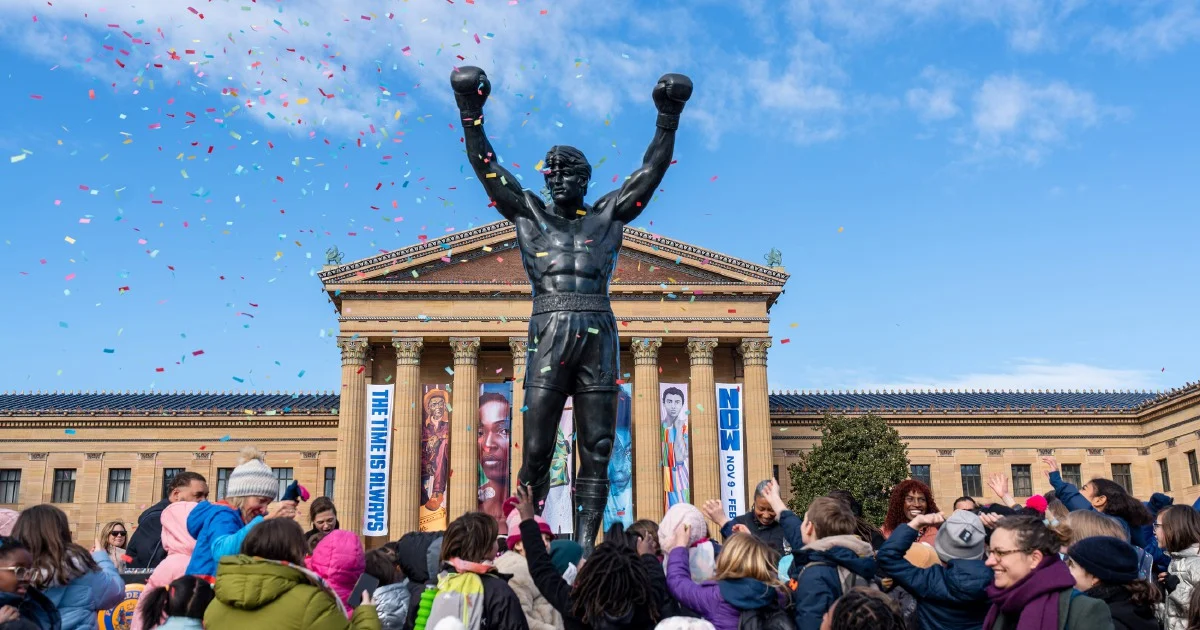
French football supporters planning to visit Philadelphia for World Cup matches have received a stark warning: leave the iconic Rocky Balboa statue alone. The caution comes after a curious pattern of sporting setbacks affecting teams whose fans took the liberty of adorning the beloved monument with their national colours, raising questions about whether superstition has any place in modern sport or whether a string of coincidences has been deliberately amplified into folklore.
The statue, which stands as a tribute to the fictional boxer immortalised in Sylvester Stallone's classic film series, has become one of Philadelphia's most recognisable landmarks. Positioned at the base of the Philadelphia Museum of Art's iconic steps, it attracts millions of visitors annually and has become an unexpected focal point for international sporting rituals. What began as harmless fan behaviour—dressing the statue in team colours—has evolved into cautionary tale territory, with organisers now actively discouraging supporters from repeating the gesture.
The alleged curse has gained considerable traction among football communities, with supporters and analysts pointing to a series of unfortunate sporting outcomes that seemingly followed dressing ceremonies at the statue. While sceptics might attribute such results to natural variance in tournament performance, the persistence of the superstition suggests that belief itself has taken on a life independent of objective causation. The warning issued to French fans underscores how deeply ingrained such folklore has become within international sporting culture.
For Malaysian and Southeast Asian readers, this phenomenon illustrates the universal human tendency to seek patterns and meaning in random events, particularly when emotional investment in sporting outcomes runs high. Football supporters across the region will recognise the parallel superstitions that accompany major tournaments—from specific pre-match rituals to avoiding certain colours or actions believed to influence outcomes. The Rocky statue situation demonstrates that even in Western contexts, rationality frequently yields to hope and habit when national pride hangs in the balance.
The warning carries particular weight given France's status as a football powerhouse with historically passionate supporter bases. French fans travelling to World Cup fixtures would naturally seek opportunities to mark their presence in host cities, and the Rocky statue represents an accessible, visible location for such expressions of team loyalty. The caution against dressing the monument effectively constrains this form of fan expression, even as it paradoxically reinforces the very superstition it attempts to counteract through its emphasis on danger.
Philadelphia's authorities and event organisers have evidently decided that the reputational risk and potential damage to the statue outweigh any cultural or symbolic value derived from allowing international fans to temporarily adapt the monument to their purposes. This decision reflects broader questions about public monuments in increasingly globalised sporting contexts, where international audiences increasingly interact with local landmarks in ways that local stewards may not have originally anticipated.
The phenomenon also raises interesting questions about curse propagation in the social media age. What might have remained an isolated Philadelphia curiosity can now spread globally within hours, shaping supporter behaviour across continents. French fans who might never have considered touching the statue become aware of the alleged curse through viral warnings, creating a self-fulfilling prophecy wherein the caution itself ensures broader awareness and therefore greater temptation or concern about the issue.
From a psychological perspective, the curse narrative may actually influence outcomes through heightened anxiety among supporter communities. If French fans become worried that previous dressing ceremonies have somehow compromised their team's prospects, that collective anxiety could theoretically translate into less enthusiastic support or psychological pressure on players aware of such beliefs circulating among their fan base. The boundary between superstition influencing behaviour and behaviour influencing outcomes becomes genuinely blurred.
Sporting history is replete with tales of jinxes, curses, and good luck charms that have captured collective imagination. The Rocky statue warning joins a long tradition of such folklore, from the curse allegedly affecting teams wearing certain kit combinations to ballpark superstitions that have endured for generations. The persistence of such beliefs across cultures and time periods suggests they fulfil a psychological function beyond rational explanation—they provide a sense of agency and control in circumstances where outcomes ultimately depend on factors beyond individual influence.
For the World Cup specifically, the warning adds an unexpected dimension to tournament preparation beyond typical concerns about team composition, tactics, and form. French supporters must now navigate not only the sporting challenge itself but also navigate the cultural landscape of host cities with awareness of local legends and warnings that could either inspire solidarity or introduce unnecessary psychological complications.
Ultimately, whether the Rocky statue curse exerts genuine influence or represents merely a colourful intersection of sports culture and urban legend remains unknowable. What seems certain is that the warning itself has ensured the story will persist, and French fans will approach Philadelphia with heightened awareness of the statue's reputation—precisely the outcome the cautionary message intended to provoke, even if the underlying mechanism remains delightfully uncertain.