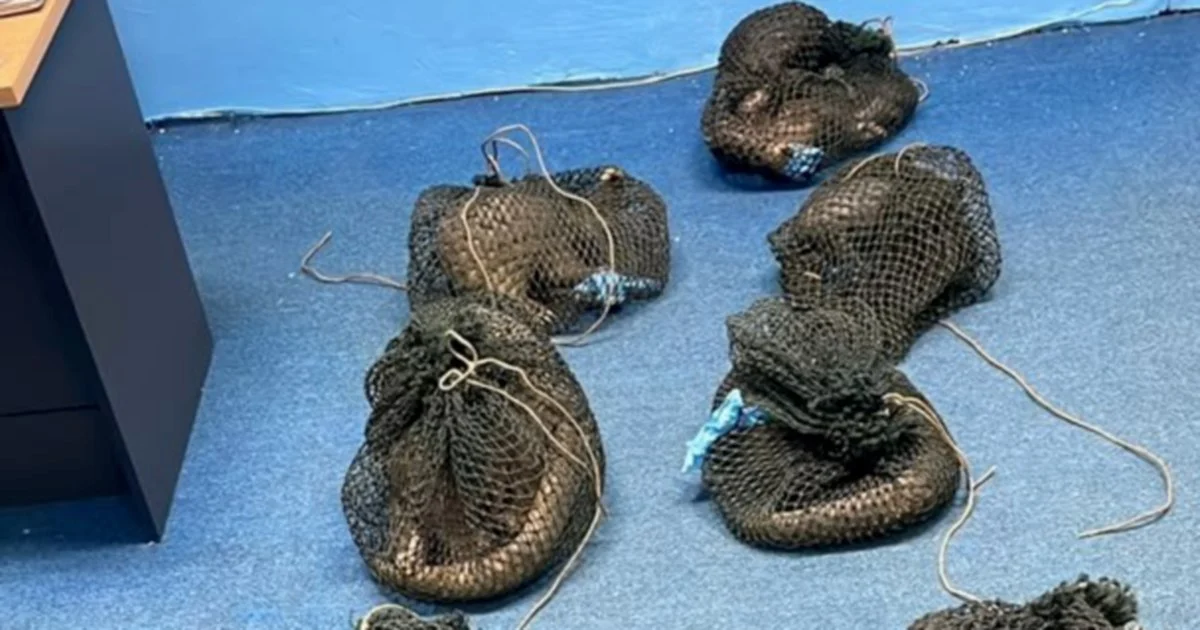
A 27-year-old Filipino man is now facing wildlife trafficking charges following his apprehension during a coordinated enforcement operation in Kinabatangan, Sabah. Officers executing a search warrant at a plantation premises in Kampung Paris 3 uncovered 10 live pangolins being held illegally on the property, alongside an elephant tusk that authorities say indicates involvement in a broader smuggling network. The arrest underscores the persistent challenge of transnational wildlife crime affecting Malaysia's eastern states.
Pangolins rank among the world's most trafficked mammals, hunted relentlessly for their distinctive keratin scales used in traditional medicine and their meat sold as food commodities across Asia. The species faces extinction in numerous regions, with poaching intensifying as demand from neighbouring countries and markets throughout East and Southeast Asia remains high. The discovery of ten individual animals in a single location suggests organised trafficking rather than isolated poaching, a distinction that typically results in more severe legal consequences under Malaysian wildlife protection legislation.
The elephant tusk recovered during the raid adds another dimension to the investigation, indicating the suspected trafficker may have operated across multiple wildlife crime categories. Elephant ivory remains valuable in underground markets despite international treaties restricting its trade. The concurrent possession of both pangolins and ivory suggests potential involvement with organised syndicates that specialise in handling multiple categories of protected species, rather than opportunistic poaching activities.
Kinabatangan, located in Sabah's Sandakan division, sits within a region experiencing heightened pressure from illegal wildlife extraction. The area encompasses sensitive ecosystems including wetlands and forests that support significant populations of endangered species. Plantation settings in such localities frequently serve as operational bases or transit points for trafficking networks, providing convenient cover for illegal activities while maintaining proximity to transportation infrastructure necessary for moving contraband across state and international borders.
The arrest reflects intensifying collaboration between Sabah's wildlife enforcement agencies and federal authorities tasked with combating transnational smuggling. Such operations require intelligence gathering, inter-agency coordination, and often cooperation with immigration officials to identify and apprehend suspects moving between Malaysia and neighbouring jurisdictions. The successful raid demonstrates improved enforcement capacity, yet the incident simultaneously reveals the sophistication of trafficking operations that continue functioning despite regulatory efforts.
For Malaysia, pangolin trafficking represents a critical conservation crisis compounded by regional market pressures. Three pangolin species inhabit Malaysian territory, with populations declining sharply due to poaching. While awareness campaigns and enforcement efforts have expanded considerably over recent years, the commercial value driving illegal trade remains high enough to sustain criminal activity. This particular case, involving a foreign national, highlights how trafficking networks recruit operatives across borders to execute local operations while insulating higher-level organisers from direct involvement and prosecution risk.
The case carries implications beyond immediate wildlife conservation. Cross-border wildlife trafficking increasingly intersects with broader organised crime patterns, potentially involving corrupt officials, money laundering, and weaponry smuggling. Intelligence agencies across Southeast Asia have flagged these connections, suggesting that disrupting wildlife crime networks simultaneously targets infrastructure utilised for trafficking in other contraband categories. The arrest therefore holds significance for broader law enforcement objectives extending beyond environmental protection.
Regional sentiment toward wildlife protection has shifted markedly, with public awareness campaigns in Malaysia, Indonesia, and other ASEAN nations now emphasising pangolin conservation. Several Southeast Asian governments have strengthened penalties for trafficking offences and expanded ranger patrols in critical habitats. Malaysia's Wildlife Conservation Act provides substantial prison terms and fines for trafficking offences, provisions that should apply to the individual now in custody depending on legal proceedings and charges formally laid.
The discovery mechanism—whether through tip-offs, routine inspections, or intelligence operations—remains undisclosed in enforcement statements. Understanding detection methods proves valuable for assessing the effectiveness of existing surveillance systems and identifying gaps that traffickers continue exploiting. Plantation operators, local communities, and concerned citizens can all contribute to identifying suspicious activities, though such reporting mechanisms must be accessible and protected to encourage participation without exposing informants to retaliation risks.
Looking forward, this case exemplifies how individual arrests contribute incrementally to broader law enforcement objectives without necessarily dismantling entire trafficking networks. Prosecution of field operatives provides satisfaction to conservation advocates while supply chains frequently adapt by replacing arrested personnel. Meaningful progress requires disrupting financing mechanisms, prosecuting higher-level organisers, and reducing demand within consumer markets—objectives requiring coordinated efforts across multiple government agencies and international boundaries.
Sabah authorities have indicated they will pursue all available legal remedies against the detainee while investigating potential connections to larger trafficking organisations. Such investigations typically extend beyond initial arrests, with detainees questioned regarding supplier relationships, customer networks, and payment mechanisms. Intelligence gathered during interrogation can support prosecutions of other suspects and contribute to broader understanding of trafficking patterns affecting Malaysia and the region.
%22%2F%3E%3C%2Fpattern%3E%3C%2Fdefs%3E%3Crect%20width%3D%22100%25%22%20height%3D%22100%25%22%20fill%3D%22url(%23ph25143g)%22%2F%3E%3Crect%20width%3D%22100%25%22%20height%3D%22100%25%22%20fill%3D%22url(%23ph25143p)%22%2F%3E%3Ctext%20x%3D%2250%25%22%20y%3D%2250%25%22%20text-anchor%3D%22middle%22%20dominant-baseline%3D%22central%22%20fill%3D%22rgba(255%2C255%2C255%2C0.95)%22%20font-family%3D%22Georgia%2C%20'Times%20New%20Roman'%2C%20serif%22%20font-weight%3D%22700%22%20font-size%3D%22320%22%20letter-spacing%3D%22-0.02em%22%3ETV3%3C%2Ftext%3E%3C%2Fsvg%3E)