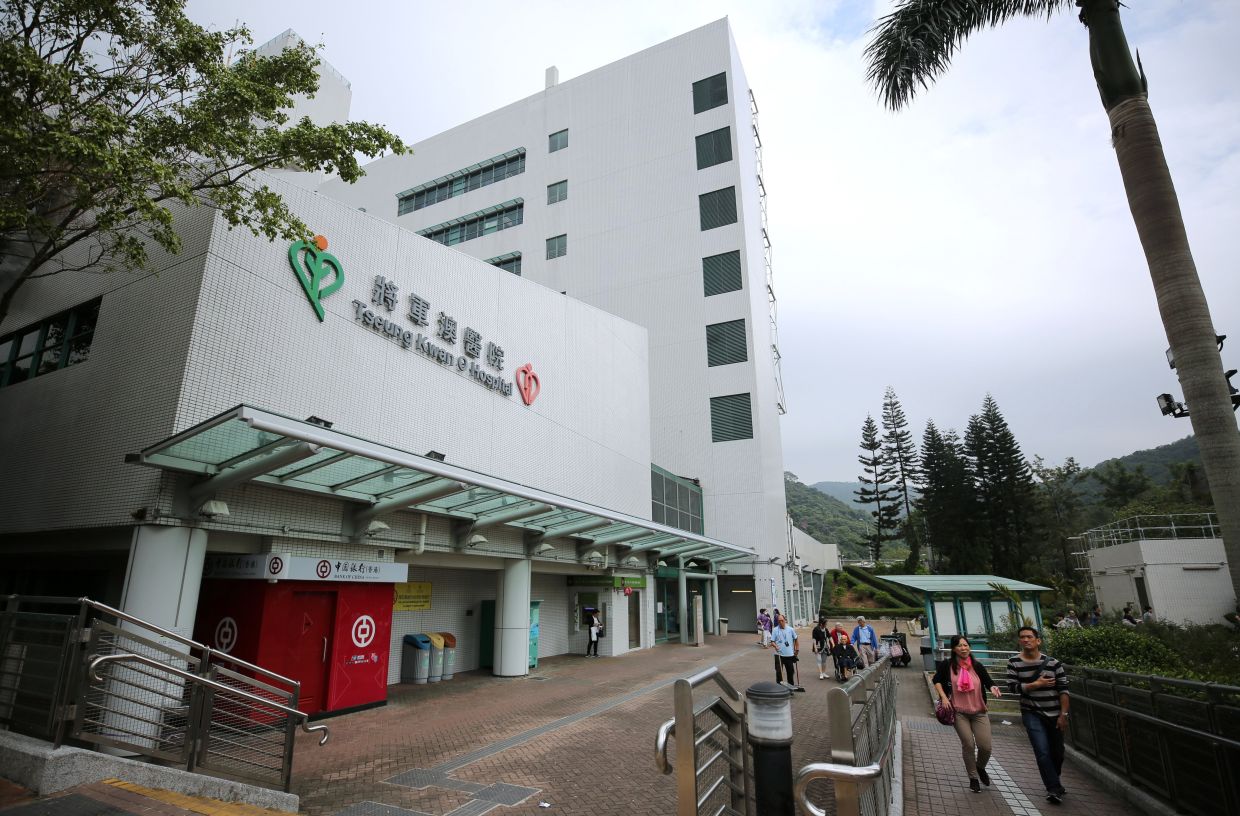
An investigation into a fatal surgical blunder at Tseung Kwan O Hospital in Hong Kong has concluded that a surgeon misidentified organs in the abdominal cavity, operating on the stomach instead of the colon. The probe, released on Thursday, attributes the error to "confirmation bias" on the part of the surgeon, triggering renewed calls from political figures for disciplinary action and raising serious questions about surgical protocols and oversight within the hospital system.
The incident occurred on February 7 when an 85-year-old woman underwent what was intended to be a transverse colostomy to address an obstructive sigmoid colon cancer that had created a dangerous intestinal blockage. The procedure involved creating a surgical opening, or stoma, in the abdominal wall to bypass the obstruction. Initial observations suggested the operation had been completed without incident, as the patient's vital signs remained stable in the immediate post-operative period.
However, medical staff subsequently noticed unusually elevated output from the newly created stoma, a warning sign that should have triggered immediate reassessment. The patient was transferred to Haven of Hope Hospital for continued care, but her condition remained unstable. On March 1, she developed dangerously low blood pressure accompanied by an elevated heart rate, prompting her return to Tseung Kwan O Hospital the following day for further evaluation.
Imaging studies proved devastating: a CAT scan revealed that the surgical opening had been created in the stomach rather than the intended transverse colon. This fundamental misidentification meant the woman had undergone an entirely incorrect procedure that could not address her original intestinal blockage. Her clinical status deteriorated rapidly following this discovery, and on March 3, after family members consented to a do-not-attempt-resuscitation order, the patient died.
The hospital made the incident public in March following media enquiries, simultaneously announcing that it had initiated a formal investigation and referred the matter to the Coroner's Court. The subsequent cause analysis report identified multiple systemic failures extending far beyond the initial surgical error. The investigation found that the surgeon had exhibited confirmation bias when attempting to identify anatomical structures within the abdominal cavity, a cognitive phenomenon whereby individuals tend to search for and interpret information in ways that confirm their pre-existing beliefs or expectations.
Beyond the surgeon's perceptual error, the hospital report identified inadequate monitoring protocols that failed to prompt timely reassessment when the abnormally high stomal output should have triggered alarm bells. The investigating panel also noted that healthcare staff involved in post-operative care lacked sufficient experience to recognise the warning signs, and critically, poor communication between the surgical team and rehabilitation staff delayed any meaningful intervention or correction of the initial error.
Former lawmaker Michael Tien Puk-sun responded to the investigation findings with sharp criticism, characterising the error as a "rookie mistake" that not only caused a patient's death but damaged Hong Kong's reputation as a premier medical services destination in Asia. Tien emphasised that the surgeon in question has a documented history of previous errors, and he called on authorities to consider either demotion or outright termination of employment. His comments reflect broader public concern about accountability in medical institutions and whether systemic improvements are genuinely implemented following high-profile incidents.
The hospital's investigation panel issued a series of recommendations aimed at preventing similar incidents in the future. These include a comprehensive review of clinical governance frameworks within the surgery department, mandatory involvement of the surgical team in monitoring patients after transfer to other facilities, and requirements that stoma and wound care specialists conduct formal post-operative assessments with proper documentation and timely reporting of abnormal findings.
Tseung Kwan O Hospital announced that it has accepted all recommendations and has already begun implementing enhanced patient safety measures. The hospital stated that it is restructuring its department of surgery under a new cluster-based governance model designed to improve oversight and coordination. Additionally, the institution indicated that it will address the matter with the doctors involved through established human resources procedures and may make a referral to the Medical Council, which regulates medical professionals in Hong Kong and can impose professional sanctions.
For Malaysian healthcare observers, this case underscores the critical importance of surgical verification protocols and the dangers of cognitive biases in medical decision-making. While advanced healthcare systems like Hong Kong's are not immune to such errors, the case demonstrates the value of multiple checkpoints, robust inter-departmental communication, and institutional cultures that prioritise verification over assumption. The incident also highlights how easily warning signs—such as abnormal stomal output—can be overlooked if monitoring systems and staff experience levels are inadequate, lessons particularly relevant for hospitals across Southeast Asia as they scale up complex surgical programmes.
%22%2F%3E%3C%2Fpattern%3E%3C%2Fdefs%3E%3Crect%20width%3D%22100%25%22%20height%3D%22100%25%22%20fill%3D%22url(%23ph267lhg)%22%2F%3E%3Crect%20width%3D%22100%25%22%20height%3D%22100%25%22%20fill%3D%22url(%23ph267lhp)%22%2F%3E%3Ctext%20x%3D%2250%25%22%20y%3D%2250%25%22%20text-anchor%3D%22middle%22%20dominant-baseline%3D%22central%22%20fill%3D%22rgba(255%2C255%2C255%2C0.95)%22%20font-family%3D%22Georgia%2C%20'Times%20New%20Roman'%2C%20serif%22%20font-weight%3D%22700%22%20font-size%3D%22170%22%20letter-spacing%3D%22-0.02em%22%3EMalaysia%3C%2Ftext%3E%3C%2Fsvg%3E)
%22%2F%3E%3C%2Fpattern%3E%3C%2Fdefs%3E%3Crect%20width%3D%22100%25%22%20height%3D%22100%25%22%20fill%3D%22url(%23ph57sjag)%22%2F%3E%3Crect%20width%3D%22100%25%22%20height%3D%22100%25%22%20fill%3D%22url(%23ph57sjap)%22%2F%3E%3Ctext%20x%3D%2250%25%22%20y%3D%2250%25%22%20text-anchor%3D%22middle%22%20dominant-baseline%3D%22central%22%20fill%3D%22rgba(255%2C255%2C255%2C0.95)%22%20font-family%3D%22Georgia%2C%20'Times%20New%20Roman'%2C%20serif%22%20font-weight%3D%22700%22%20font-size%3D%22170%22%20letter-spacing%3D%22-0.02em%22%3EMalaysia%3C%2Ftext%3E%3C%2Fsvg%3E)
%22%2F%3E%3C%2Fpattern%3E%3C%2Fdefs%3E%3Crect%20width%3D%22100%25%22%20height%3D%22100%25%22%20fill%3D%22url(%23ph27skkg)%22%2F%3E%3Crect%20width%3D%22100%25%22%20height%3D%22100%25%22%20fill%3D%22url(%23ph27skkp)%22%2F%3E%3Ctext%20x%3D%2250%25%22%20y%3D%2250%25%22%20text-anchor%3D%22middle%22%20dominant-baseline%3D%22central%22%20fill%3D%22rgba(255%2C255%2C255%2C0.95)%22%20font-family%3D%22Georgia%2C%20'Times%20New%20Roman'%2C%20serif%22%20font-weight%3D%22700%22%20font-size%3D%22136%22%20letter-spacing%3D%22-0.02em%22%3EGovernment%3C%2Ftext%3E%3C%2Fsvg%3E)