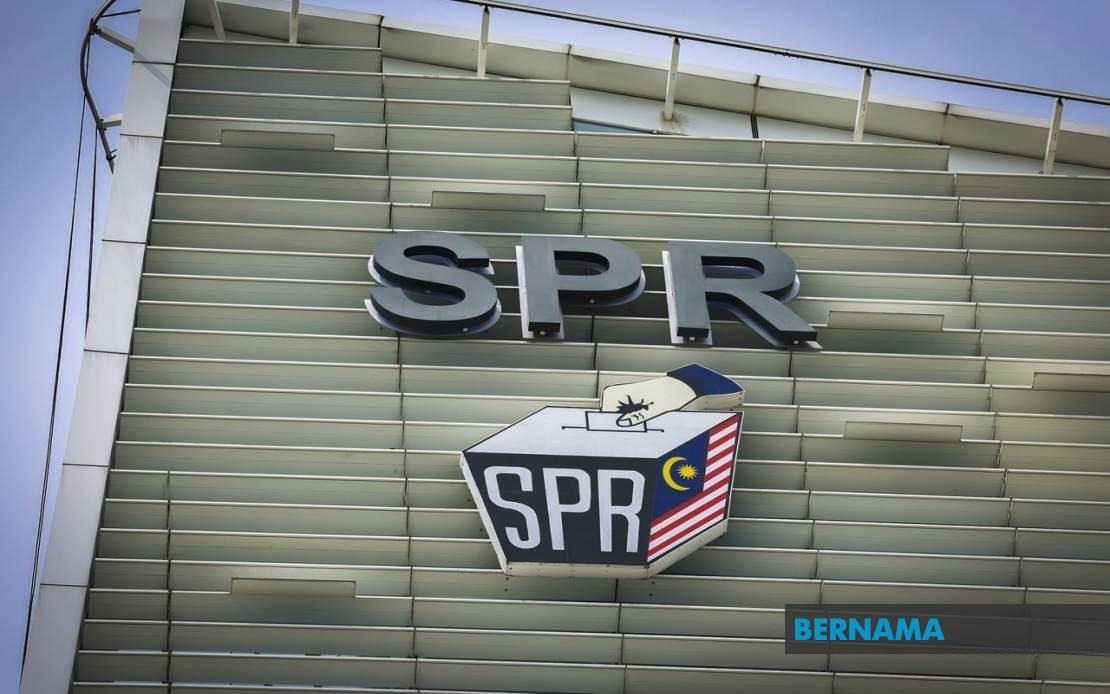
As the 16th Johor State Election campaign entered its second week, the Election Commission reported receiving 305 complaints and reports of various campaign-related violations by July 2, signalling an active enforcement environment across the state ahead of polling day on July 11. The volume of reports underscores the commission's heightened scrutiny of electoral activities and the complexities of managing campaign conduct across multiple jurisdictions and enforcement agencies in a state election of this scale.
The largest category of complaints involved campaign materials improperly displayed in areas designated as restricted by local authorities, accounting for 140 of the 305 reported violations. This breach reflects a persistent challenge in electoral management—ensuring that political parties and candidates understand and respect the geographical boundaries set by municipalities and local government bodies. Restricted areas typically include government buildings, schools, places of worship, and other sensitive public spaces where campaign advertising is prohibited to maintain neutrality and prevent disturbance to essential services.
A further 90 complaints concerned campaign posters, banners, and signage that obstructed drivers' sightlines or posed traffic hazards. These infractions carry genuine public safety implications, as oversized or poorly positioned campaign materials can distract motorists, block traffic signals, or create visibility dead zones on roads. The scale of traffic-related violations suggests that some candidates and party workers may have prioritised visibility and reach over compliance with safety regulations, or alternatively, that enforcement teams have been diligent in identifying hazardous placements that pose risks to road users.
Twenty-seven cases involved campaign materials placed within the critical 50-metre buffer zone surrounding polling centres, a restriction designed to preserve the sanctity of voting locations and prevent last-minute influence or intimidation of voters. This specific constraint is taken seriously in Malaysian electoral law, as the polling centre environment is meant to be free from partisan activity or persuasion. The relatively modest number of such violations—compared to the broader categories—may suggest that most stakeholders understand the sensitivity of this boundary, though even one breach represents a potential compromise to electoral integrity.
The remaining 48 complaints encompassed miscellaneous offences under the Election Offences Act 1954, covering conduct or activities that fell outside the three primary violation categories. These might include unauthorised campaign gatherings, inappropriate use of government resources, premature campaigning, or other irregularities that the commission deemed reportable but which do not fit neatly into the main complaint classifications. The existence of this catch-all category reflects the diverse and evolving nature of campaign violations that election authorities must address.
To manage this enforcement workload, the Election Commission established a total of 56 Election Campaign Enforcement Teams (PP-KPR) distributed across the state. This deployment represents a substantial organisational effort, with teams stationed to cover all 56 state seats and ensure consistent monitoring throughout the campaign period running from the nomination day on June 27 through July 10 at 11.59 pm. The EC stated that all complaints received have been subject to appropriate follow-up action, indicating a systematic approach to investigation and remediation rather than passive receipt and filing of reports.
Crucially, the Election Commission has emphasised its collaborative framework with multiple enforcement and oversight bodies. The Royal Malaysia Police (PDRM) provide general law enforcement capacity and may investigate serious offences, while the Malaysian Anti-Corruption Commission (MACC) scrutinises campaign financing and potential bribery or undue influence. The Malaysian Communications and Multimedia Commission (MCMC) oversees digital and broadcast campaign content, ensuring compliance with media regulations. This multi-agency coordination reflects the complexity of modern electoral management and the recognition that campaign violations can span criminal law, corruption, and communications regulation simultaneously.
The Johor election itself has drawn substantial participation, with 172 candidates contesting across 56 state seats. This candidate density—an average of approximately three candidates per seat—suggests a competitive electoral environment with multiple parties and independent contestants vying for voter support. The election incorporates early voting scheduled for July 7, allowing certain voters such as police officers, military personnel, and election officials to cast ballots before polling day, a standard feature in Malaysian electoral administration.
For Malaysian voters and political observers, the violation reports carry several implications. The prevalence of complaints involving improper material placement suggests that enforcement mechanisms, while active, may struggle to prevent all infractions in real-time, and that ongoing education of candidates and party machinery remains necessary. The cooperation between the EC and agencies including the MACC and MCMC signals the government's commitment to maintaining electoral credibility, particularly important in a state election where consolidation or reversal of political control carries significant consequences for regional governance.
The Election Commission's appeal for compliance with laws, regulations, and codes of ethics directly addresses all stakeholders—candidates, party officials, and voters alike. This messaging reinforces that the electoral process depends on collective adherence to rules, and that violations, whether intentional or inadvertent, undermine public confidence in the outcome. The commission has reiterated its institutional commitment to conducting an efficient, fair, transparent, and credible election, positioning the enforcement effort as integral to achieving these objectives rather than as punitive or partisan.
Looking ahead to July 11, the documented violations and enforcement activity illustrate the real-time complexity of managing democratic processes. While 305 complaints may seem substantial, it reflects the scale of a state-wide campaign involving hundreds of candidates and thousands of party workers distributing materials across an entire state. The effectiveness of the enforcement response—measured not merely in complaint numbers but in whether violations were remedied, repeated behaviour was deterred, and public confidence was maintained—will ultimately shape perceptions of the election's integrity and legitimacy in Johor.

