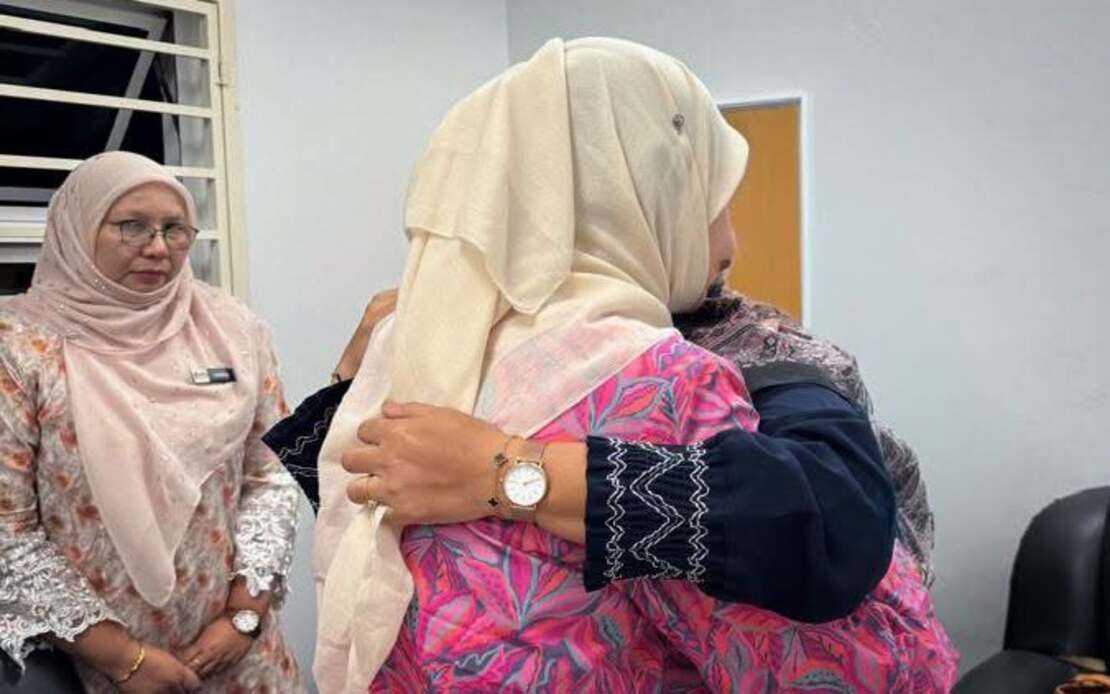
Education Minister Fadhlina Sidek has made an impassioned appeal for the public to exercise sensitivity and restraint following the death of a 16-year-old female student at a school in Seremban this morning, emphasizing that the grieving family deserves space and dignity during this extraordinarily difficult period. The minister's intervention underscores the heightened concerns surrounding student welfare and mental health across Malaysian educational institutions, issues that have drawn increasing scrutiny in recent years amid reports of mounting pressures faced by young people in the school system.
Fadhlina conveyed her condolences through a Facebook statement, offering Islamic prayers for the deceased student's soul and extending compassionate thoughts towards those close to her. She stressed that the family is navigating profound suffering and requested that members of the public, media outlets, and online communities afford them the necessary breathing room to grieve without intrusive attention or speculation. This measured plea reflects growing awareness within government circles about the potentially harmful effects of intensive public scrutiny during moments of profound personal tragedy.
The ministry has confirmed full cooperation with law enforcement authorities as police commence their investigation into the circumstances surrounding the student's death. Authorities have not yet disclosed specific details about what transpired at the school premises, maintaining operational confidentiality standard in such sensitive cases. The investigation phase is expected to provide clarity regarding the precise cause and sequence of events, information that will be crucial for school administration, education officials, and the broader community as they seek to understand how this tragedy occurred.
A demonstration of institutional support materialized when Fadhlina and Education director-general Datuk Dr Mohd Azam Ahmad made a personal visit to the student's family at Rembau Hospital to offer condolences and assistance. This direct engagement by senior ministry officials signals the seriousness with which the government regards the incident and reflects a commitment to providing concrete support mechanisms to the bereaved family during the immediate aftermath. Such visits are customary practice but serve important symbolic value in demonstrating that the family is not alone and that institutional resources stand ready to assist them.
The minister articulated that ensuring comprehensive assistance to the affected family and all individuals connected to the student represents the immediate priority for the ministry. This encompasses not merely expressions of sympathy but practical measures including psychological counselling, administrative support, and coordination with relevant agencies to address any welfare needs. Schools are expected to activate crisis protocols designed to support students and staff members who may have witnessed the incident or are otherwise affected emotionally by the loss of their peer.
This incident occurs within a broader context of heightened concern regarding student mental health and wellbeing in Malaysia. Educational institutions nationwide have faced increased pressure to implement more robust support systems for young people struggling with academic stress, social pressures, and personal challenges. The tragedy in Negeri Sembilan serves as a sobering reminder that schools must maintain vigilant attention to warning signs and ensure that counselling services and mental health resources are adequately resourced and accessible to all students requiring assistance.
The call for public restraint carries particular resonance in an era dominated by social media, where incidents involving young people can generate rapid online commentary and speculation that may compound the family's suffering. Fadhlina's measured statement seeks to establish an expectation of respectful conduct among citizens and content creators, asking that the natural impulse towards public discussion be tempered by recognition of the human cost of such tragedies. This reflects a broader societal conversation about responsible information sharing and the ethical obligations of media and public figures during crisis situations.
The education ministry's response protocol highlights the interconnected responsibilities of government agencies in addressing not only the immediate investigative needs but also the pastoral and emotional dimensions of such incidents. Coordination between the ministry, police, hospital services, and school authorities ensures that multiple institutional perspectives inform the response and that no aspect of family support or investigation falls through administrative gaps. This comprehensive approach is increasingly recognized as essential best practice in managing school-related tragedies.
As the police investigation unfolds, the family's journey through grief will likely be accompanied by ongoing media interest and public curiosity. The minister's intervention essentially establishes a protective boundary intended to preserve the family's autonomy and emotional space during what promises to be an extended period of adjustment and recovery. For Malaysian society, this incident carries implications extending beyond the specific individuals involved, prompting reflection on how schools, families, and communities can better identify and support young people facing difficulties that might lead to crisis situations.


%22%2F%3E%3C%2Fpattern%3E%3C%2Fdefs%3E%3Crect%20width%3D%22100%25%22%20height%3D%22100%25%22%20fill%3D%22url(%23ph2hy9vg)%22%2F%3E%3Crect%20width%3D%22100%25%22%20height%3D%22100%25%22%20fill%3D%22url(%23ph2hy9vp)%22%2F%3E%3Ctext%20x%3D%2250%25%22%20y%3D%2250%25%22%20text-anchor%3D%22middle%22%20dominant-baseline%3D%22central%22%20fill%3D%22rgba(255%2C255%2C255%2C0.95)%22%20font-family%3D%22Georgia%2C%20'Times%20New%20Roman'%2C%20serif%22%20font-weight%3D%22700%22%20font-size%3D%22272%22%20letter-spacing%3D%22-0.02em%22%3EAnwar%3C%2Ftext%3E%3C%2Fsvg%3E)