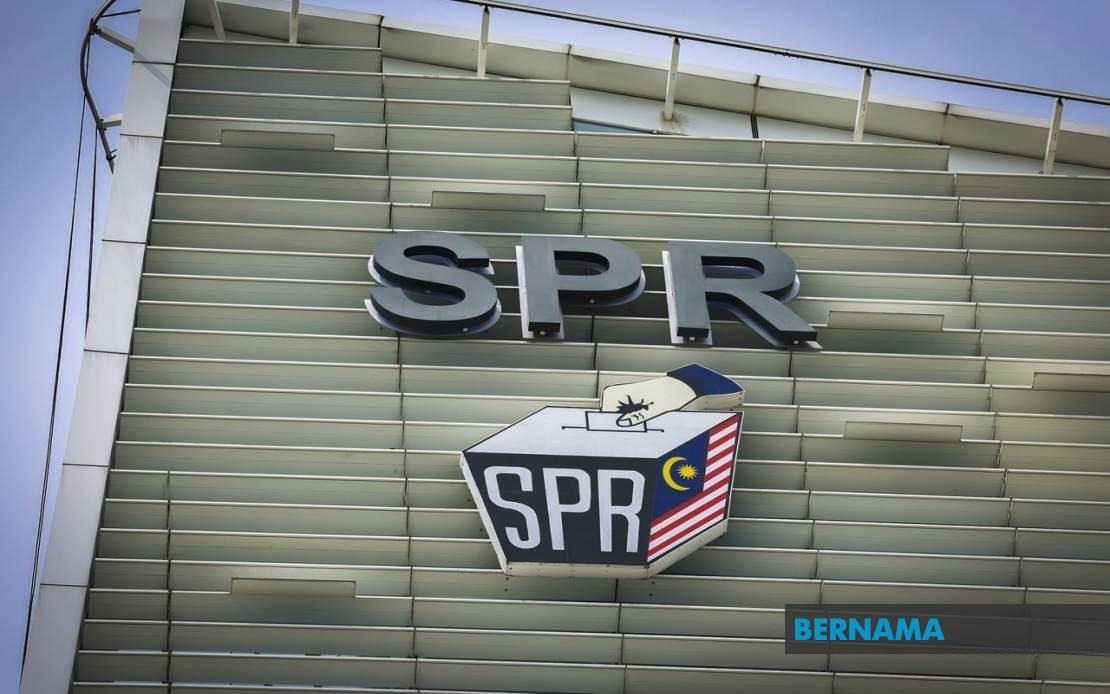
The Election Commission has completed distribution of 24,677 postal ballot papers to voters entitled to cast their votes by mail in the upcoming Johor state election scheduled for July 11. Election officials working across all 56 state constituencies carried out the issuance on June 29, operating under the framework established by Regulation 3 of the Election (Postal Voting) Regulations 2003, which governs how Malaysia's postal voting system functions during state and federal elections.
EC secretary Datuk Khairul Shahril Idrus explained that the distribution reflected the diverse categories of voters who qualify for postal voting arrangements. The largest contingent comprised 23,288 ballot papers issued under Form 1A designation, a category encompassing individuals whose operational duties or official positions make them unable to vote in person at polling stations. This Form 1A group includes election officials and Election Commission members and staff who would be working on polling day itself, police and military personnel whose deployment schedules conflict with voting times, and media practitioners covering the election.
A more modest portion of 1,044 postal ballots were allocated under Form 1B status specifically for Malaysian citizens living outside the country who maintain their eligibility to participate in domestic elections. This overseas voter category has become increasingly significant as Malaysian migration patterns expand, with substantial communities residing in Singapore, Brunei, and across the Middle East. The remaining 345 ballots distributed under the Form 1C classification served government agencies and organizations whose representatives require voting accommodations based on institutional operational needs.
The distribution process itself adhered to electoral transparency standards, taking place under observation from representatives of all candidates competing in this state election. This oversight mechanism reflects Malaysia's commitment to ensuring that postal voting procedures maintain public confidence and prevent irregularities, with multiple eyes monitoring each step of ballot issuance to verify proper handling and documentation.
For Malaysian voters receiving postal ballots, the Election Commission issued specific procedural guidance to ensure their votes count. Electors must carefully mark their ballot papers and accurately complete the Identity Declaration Form, formally designated as Form 2, which provides statutory verification of voter identity. These completed materials must reach the respective constituency returning officers by the 5 pm deadline on July 11, the polling day itself. Missing this deadline renders postal votes invalid, making timing critical for dispersed voters who may face logistical challenges returning their papers.
The Commission also emphasized the confidentiality imperative that underpins Malaysian electoral integrity. Postal voters must resist the contemporary tendency to photograph their marked ballots or share voting evidence through social media platforms, practices that compromise ballot secrecy principles fundamental to democratic voting. While selfies with ballot papers have become common in some democracies, Malaysia maintains stricter confidentiality expectations, and voters who document their postal voting face potential legal consequences for violating electoral regulations designed to preserve the integrity of the secret ballot.
The Johor state election itself represents a significant electoral event, with 172 candidates contesting across the 56 constituencies, indicating competitive contests in most districts. Early voting has been scheduled for July 7, providing a mechanism for voters with particular scheduling constraints to participate before the main polling day. This phased approach to voting expands access while managing logistical pressures on election infrastructure and staffing during the formal polling period.
For Southeast Asian observers, Johor's electoral arrangements demonstrate Malaysia's relatively sophisticated postal voting infrastructure compared to some regional counterparts. The detailed categorization of eligible postal voters, the transparent distribution processes, and the emphasis on procedural compliance reflect institutional maturity in managing electoral logistics across a geographically dispersed population. However, the postal voting system remains limited to specific categories rather than general mail-in voting available in some democracies, reflecting Malaysia's preference for concentrated polling day participation supplemented by accommodation for voters whose circumstances genuinely prevent in-person voting.
The 24,677 postal ballots distributed represent approximately 2-3 percent of expected total turnout in state elections, a proportion consistent with historical patterns. The Form 1A category dominates postal voting because Malaysia's professional and security forces constitute the primary beneficiary group, reflecting electoral systems globally where government employees and security personnel receive postal accommodation as operational necessity rather than convenience. This concentration distinguishes Malaysian postal voting from jurisdictions where broader populations access mail ballots on demand.
Election administration officials have been preparing comprehensively for the July 11 polling day, with postal ballot distribution marking one milestone in broader preparations spanning polling station establishment, poll worker training, and security arrangements. The transparent handling of postal voting materials, verified through candidate representative observation, contributes to the procedural legitimacy that sustains Malaysian electoral confidence despite periodic political controversies surrounding electoral outcomes and campaign conduct.

