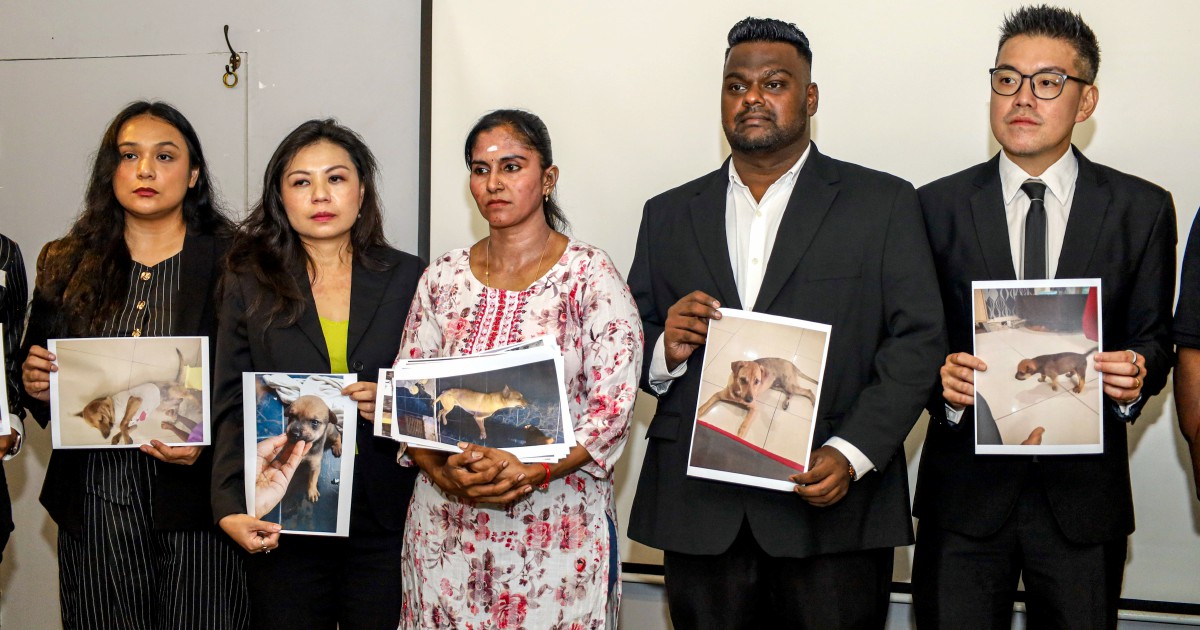
A tragic incident involving a pet dog in Port Klang has ignited serious questions about the procedures governing animal control operations and enforcement protocols across Selangor. Rocky, a family pet from the Taman Teluk Gedung Indah neighbourhood, died following an encounter with individuals allegedly attempting to capture stray dogs in the residential area. The death has prompted the dog's owner to call publicly for a transparent and thorough investigation, raising broader concerns about how such operations are conducted and who holds authority over them.
The incident occurred in Taman Teluk Gedung Indah, a residential area in Port Klang that, like many Malaysian communities, has faced issues with stray dog populations. While local authorities and residents often grapple with managing strays that pose potential safety or hygiene concerns, the manner in which removal operations are executed remains poorly regulated and inconsistently monitored. The allegation that Rocky was beaten during the operation represents a significant departure from humane animal handling standards that should be observed regardless of whether animals are strays or pets.
What makes this case particularly troubling is the apparent confusion over who had authority to conduct the operation and under what legal framework it was justified. In Malaysia, animal control responsibilities typically fall under the purview of local councils or designated municipal authorities, yet enforcement often occurs through contracted vendors or informal arrangements that lack proper oversight. This fragmented system creates accountability gaps that leave animals—and their owners—vulnerable to mistreatment without clear recourse or consequence.
The owner's demand for transparency reflects a wider frustration among pet owners and animal welfare advocates who have long questioned the training, supervision, and ethical standards applied to personnel involved in stray-catching operations. Without standardized protocols or regular auditing, individual operatives may resort to harsh methods that cause unnecessary suffering. The absence of clear procedures also means that innocent pets confined to a property can be mistaken for strays and subjected to the same brutal handling, as appears to have happened in Rocky's case.
Malaysian animal welfare organizations have increasingly highlighted deficiencies in the current system. Many operations lack proper documentation of animals captured, their condition upon arrival at holding facilities, and the methods used during capture. Training for personnel involved in such work is often minimal, with little emphasis on minimizing stress or injury to animals. The lack of independent inspection mechanisms means abuses can occur repeatedly without detection or correction.
This incident arrives at a time when Malaysian civil society is becoming more vocal about animal rights. While stray management remains a legitimate public health and safety concern, the methods employed must balance efficiency with compassion and adherence to established animal welfare standards. Several developed countries have demonstrated that humane removal operations are both feasible and effective when implemented through well-trained personnel and clear protocols that prioritize animal welfare.
The investigation into Rocky's death should encompass not merely the facts of that specific incident but also systemic examination of how stray-catching is authorized, supervised, and executed throughout Port Klang and beyond. Questions requiring answers include: who deployed the operatives involved, what training they received, what regulations governed their actions, and what mechanisms exist—or should exist—to prevent similar tragedies. Equally important is establishing whether the operation was even lawfully authorized and whether proper notice was given to residents.
For pet owners in residential areas, the situation creates justified anxiety. The notion that animals may be captured and harmed based on mistaken identity, without warning or clear identification procedures, undermines community confidence in local governance. Residents expect their local authorities to manage stray populations responsibly without putting legitimate pets at risk. This requires clear demarcation between authorised operatives and unlicensed individuals, proper identification systems, and community notification protocols.
The implications of this case extend beyond a single tragedy. How authorities respond—whether investigations prove merely performative or genuinely transformative—signals to Malaysian communities whether animal welfare concerns warrant serious institutional attention. A meaningful response would involve revising animal control standard operating procedures, implementing mandatory training and certification, establishing transparent reporting mechanisms, and creating avenues for independent oversight and public accountability.
This incident also highlights the need for clearer public communication. Residents deserve to understand when, where, and why stray-catching operations are occurring in their neighbourhoods, and what safeguards exist to protect pets. Transparent notification systems could help residents secure their animals during operations, preventing tragic misidentifications like Rocky's case.
As Port Klang and Selangor authorities begin their investigation, the focus should extend beyond determining what happened to Rocky to examining what systemic failures permitted it to happen. The goal must be establishing animal control practices that protect public health while respecting animal dignity and owners' legitimate interests. Anything less would represent a missed opportunity to prevent future tragedies and would confirm the suspicions of those who believe that animal welfare remains a low priority in Malaysian municipal governance, despite growing public expectation that it should not be.

