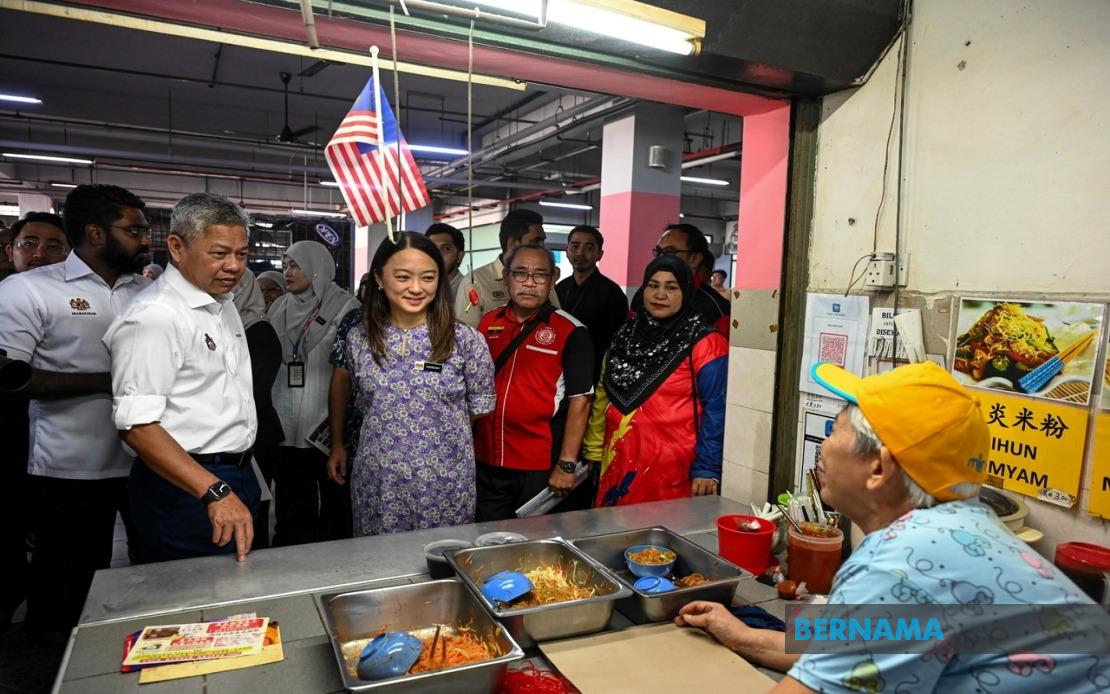
Kuala Lumpur City Hall (DBKL) is channelling RM200 million into a comprehensive modernisation programme targeting 287 hawker centres across the Malaysian capital, marking a substantial commitment to upgrading informal trading infrastructure. Launched under the Lestari Niaga @ Kuala Lumpur 2026 initiative, the scheme promises to enhance operational standards for over 11,000 small-scale traders and hawkers, creating safer and better-organised trading environments throughout the city.
Minister in the Prime Minister's Department (Federal Territories) Hannah Yeoh underscored the administration's commitment to balancing competing interests when overhauling hawker zones. The approach explicitly incorporates feedback from multiple stakeholder groups—residents seeking improved traffic management, traders requiring viable business locations, and building tenants operating adjacent commercial establishments. This consultative framework reflects recognition that hawker site interventions inevitably affect various parties, each with legitimate operational and quality-of-life concerns.
The UTC Sentul project exemplifies DBKL's hands-on approach to hawker rejuvenation. Following public engagement sessions, the authority designed a RM1.6 million redevelopment replacing temporary structures with twenty contemporary modular kiosks. Construction commenced on June 15 with a targeted three-month completion timeline, positioning the facility for operation before October. This surgical intervention demonstrates the council's intention to preserve trader livelihoods while delivering modern amenities that enhance customer experience and operational efficiency.
A notable innovation addresses the financial vulnerability traders face during construction periods. DBKL has introduced special monthly assistance of RM1,500 for the twenty active traders affected during the UTC Sentul transformation, representing a pragmatic alternative to temporary relocation sites. Kuala Lumpur Mayor Datuk Seri Fadlun Mak Ujud noted that temporary trading arrangements often prove prohibitively expensive and strategically disadvantageous, typically reducing foot traffic and customer accessibility. Direct financial support provides traders breathing room without operational disruption.
This financial assistance model will expand across subsequent phases, with comparable initiatives planned for Jalan Dato Senu, Pudu Ulu, and Bandar Tun Razak. The scalability of the UTC Sentul approach indicates DBKL's intention to standardise trader support mechanisms throughout the broader programme, reducing uncertainty and encouraging cooperation during site transformations. By providing predictable income protection, the council removes a primary disincentive to participating in modernisation efforts.
The broader Lestari Niaga initiative encompasses remarkable demographic diversity within Kuala Lumpur's informal trading sector. Of approximately 11,000 affected traders, over 4,000 operate as street hawkers without fixed structures, while roughly 5,000 occupy sites on DBKL-managed municipal assets. The remaining thousand traders represent reapplication cases, individuals seeking to formalise previously unauthorised operations. This segmentation reflects the complex ecosystem of informal commerce that sustains urban food culture and employment across Malaysia's largest metropolitan centre.
Initial programme phases will concentrate on 224 locations, representing two-thirds of the total hawker sites targeted. This staged approach allows DBKL to pilot management systems, refine implementation procedures, and accumulate evidence regarding trader satisfaction and operational improvements. Phased deployment also enables budget allocation flexibility and reduces simultaneous disruption across neighbourhoods. The deliberate sequencing suggests sophisticated programme management rather than rushed overhauls that might destabilise the informal sector.
For Malaysian and Southeast Asian urban planners, the Lestari Niaga initiative addresses persistent tensions between modernisation imperatives and informal sector preservation. Many regional cities struggle to reconcile regulatory frameworks designed for formal commerce with the reality of thriving street food cultures employing hundreds of thousands. DBKL's emphasis on stakeholder consultation and trader support mechanisms offers a replicable model that prioritises social cohesion alongside infrastructure improvement. The substantial financial commitment—RM200 million for a single city's hawker sector—signals political will to treat informal traders as legitimate economic participants warranting investment rather than obstacles to urban development.
The initiative also reflects evolving governance attitudes toward informal trading in Malaysia. Rather than pursuing displacement or restrictive licensing policies common historically, DBKL demonstrates commitment to integration through modernisation. The Lestari Niaga programme essentially proposes formalising informal traders within improved municipal infrastructure, reducing regulatory friction while enhancing business viability. This approach potentially increases municipal revenue through formal licensing and rent while providing traders with durable assets and operational security.
Beyond immediate hawker community benefits, the modernisation programme carries implications for Kuala Lumpur's urban character and regional competitiveness. Informal food vendors constitute essential elements of Southeast Asian metropolitan identity and tourism appeal. By systematically upgrading hawker infrastructure, DBKL positions Kuala Lumpur to showcase well-maintained street food culture—a significant draw for regional and international visitors. Modern facilities with adequate sanitation and operational space enhance food safety standards while preserving the authentic culinary experiences that distinguish Southeast Asian cities.
The trader support mechanisms embedded within Lestari Niaga also warrant attention from a social policy perspective. The RM1,500 monthly assistance to affected traders during construction addresses vulnerability inherent in informal employment. Many hawkers operate with minimal savings and operate hand-to-mouth, making extended business interruptions financially catastrophic. By providing temporary income replacement, DBKL demonstrates recognition of informal traders' precarious circumstances and commitment to socially responsible modernisation. This approach contrasts sharply with top-down urban renewal programmes that displace informal workers without compensation.
Implementation success will depend significantly on sustained trader cooperation and transparent communication throughout the multi-year programme. DBKL's explicit emphasis on fair stakeholder treatment and willingness to reshape plans based on feedback suggests organisational readiness for collaborative governance. However, informal sectors characteristically involve multiple informal networks and competing interests, potentially complicating consensus-building. Sustained engagement mechanisms and visible progress in early phases will likely prove essential for maintaining momentum as the programme expands across all 287 hawker sites.
Looking forward, Lestari Niaga represents investment in Kuala Lumpur's informal economy that positions the city as increasingly willing to mainstream street commerce through infrastructure and support rather than marginalisation. The RM200 million allocation and commitment to over 11,000 traders signals confidence that informal trading constitutes sustainable economic activity worthy of municipal investment. For traders, the initiative offers transition pathways toward improved operations; for the city, it promises enhanced urban vitality and modernised informal commerce infrastructure supporting both economic dynamism and cultural authenticity across the Malaysian capital.