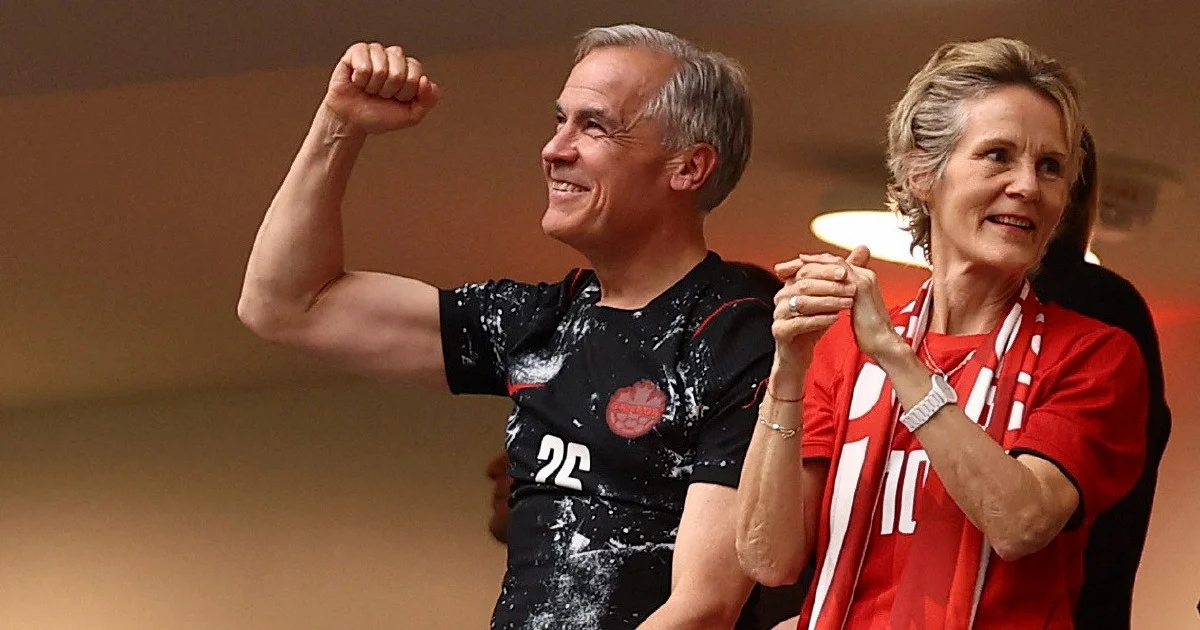
Canada has achieved a historic milestone in international football by claiming victory in a World Cup finals match for the first time in the nation's tournament history. The significant breakthrough was acknowledged at the highest level of government when Prime Minister Mark Carney made his way to the team's locker room in Vancouver to personally congratulate the players on their accomplishment and offer his reflections on their performance.
The visit from Canada's top political leader underscores the cultural importance that the country places on advancing its football programme on the world stage. International football success has long been a symbolic marker of national sporting prowess, and the Canadian team's progression represents a turning point in how the nation's football credentials are perceived globally. The gesture also highlights growing political investment in women's and men's football development across North America, where the sport continues to expand its footprint despite traditional competition from ice hockey and other established sports.
Prime Minister Carney's remarks focused specifically on the character displayed by the players in adversity, an observation that speaks to deeper qualities than tactical execution or technical skill. During the match, one of Canada's teammates fell victim to a serious injury, sustaining a broken leg that forced them to leave the field. Rather than allowing this setback to derail their performance, the remaining players demonstrated the mental fortitude and collective spirit necessary to press forward and secure the result.
The injury itself represents the kind of unpredictable challenge that teams must navigate during compressed tournament schedules. Losing a key player to such damage complicates tactical plans and forces remaining squad members to shoulder additional responsibility in maintaining shape and effectiveness. That Canada managed not only to absorb this blow but to continue playing at the standard required to win a World Cup finals match speaks volumes about squad depth, coaching, and psychological resilience.
For Malaysian and Southeast Asian football observers, the Canadian achievement carries particular relevance as regional nations continue building their own development pathways. The lengthy journey required for smaller football nations to establish competitive frameworks and reach major tournament success is well understood across Asia. Canada's breakthrough illustrates that persistence in youth development, investment in coaching infrastructure, and cultivation of a winning mentality can eventually yield results even for traditionally non-dominant football nations.
The context of this victory also matters for understanding contemporary football dynamics. The World Cup remains the sport's most prestigious tournament, and a finals appearance alone represents an enormous achievement for a nation. Progressing beyond the group stage or securing wins against quality opposition represents genuine advancement in competitive standing. Each victorious campaign provides valuable competitive experience that strengthens future tournament campaigns and elevates the profile of the national programme.
Canada's football development has accelerated markedly over the past decade, with investment in professional structures, expanded youth academies, and increased international exposure helping to raise standards. This particular victory represents the culmination of those efforts and validates the investment made by both Football Canada and government bodies supporting the sport's growth. The presence of the Prime Minister in the locker room signals that such achievements receive recognition at the national level.
The broken leg injury raises important questions about player welfare and medical protocols in international football. Tournament scheduling places enormous physical demands on athletes, and injuries sustained during critical matches can have lasting consequences for both individual players and team dynamics. The resilience shown by the Canadian squad in pressing ahead despite this setback demonstrates not only mental toughness but also the importance of comprehensive squad preparation and backup planning.
Looking forward, this victory should provide momentum and confidence for subsequent matches within the tournament. Building confidence through successful results is crucial for squad morale and tactical confidence, and Canada's players can draw psychological strength from having overcome both a strong opponent and an internal crisis. Subsequent opponents will recognise that Canada possesses the character and capability to compete effectively at World Cup level.
The political validation of this achievement through Prime Minister Carney's participation reflects broader recognition that sports success carries importance beyond the pitch itself. National football teams serve as representatives of their countries, and victories contribute to collective pride and national narrative. For a country like Canada, establishing itself as a competitive football nation helps diversify its international sporting identity and demonstrates excellence across multiple domains.
This breakthrough moment also provides valuable context for understanding how football development unfolds globally. Nations without established football traditions must invest deliberately in creating pathways, establishing professional structures, and cultivating talent over extended periods. Canada's first World Cup finals victory represents not merely a single positive result but validation of systematic investment in the sport and commitment to raising competitive standards across the entire system.

%22%2F%3E%3C%2Fpattern%3E%3C%2Fdefs%3E%3Crect%20width%3D%22100%25%22%20height%3D%22100%25%22%20fill%3D%22url(%23ph2hy9vg)%22%2F%3E%3Crect%20width%3D%22100%25%22%20height%3D%22100%25%22%20fill%3D%22url(%23ph2hy9vp)%22%2F%3E%3Ctext%20x%3D%2250%25%22%20y%3D%2250%25%22%20text-anchor%3D%22middle%22%20dominant-baseline%3D%22central%22%20fill%3D%22rgba(255%2C255%2C255%2C0.95)%22%20font-family%3D%22Georgia%2C%20'Times%20New%20Roman'%2C%20serif%22%20font-weight%3D%22700%22%20font-size%3D%22272%22%20letter-spacing%3D%22-0.02em%22%3EAnwar%3C%2Ftext%3E%3C%2Fsvg%3E)