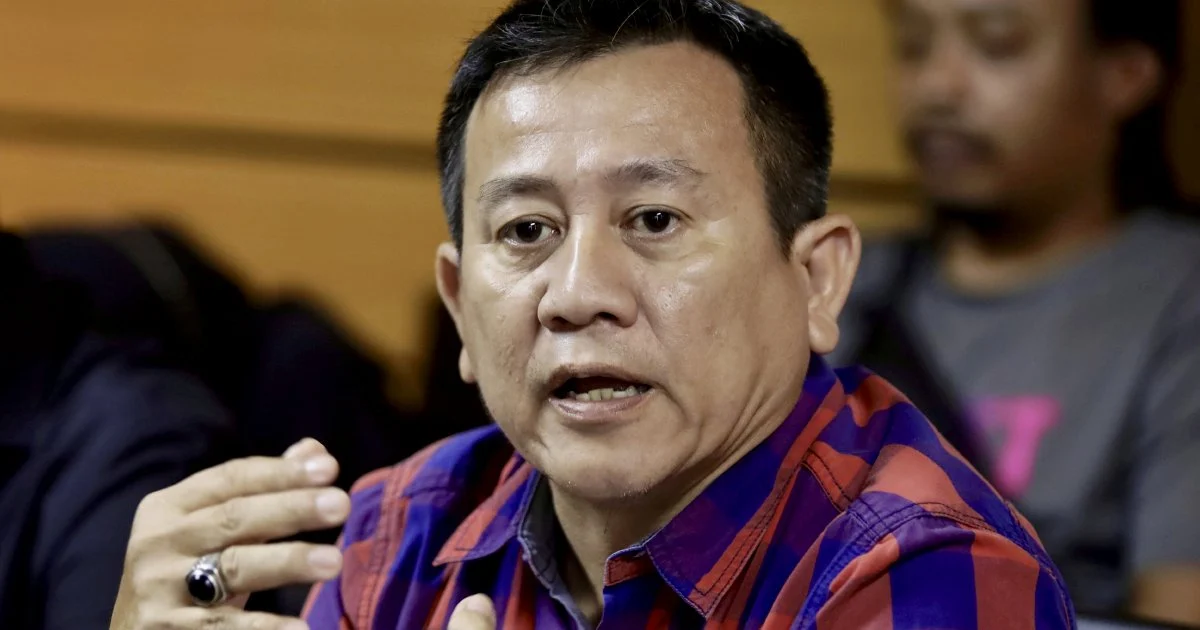
The ongoing internal tensions within Perikatan Nasional took a fresh turn when Bersatu's information chief Datuk Tun Faisal Ismail Aziz publicly urged PAS to reconsider its membership in the coalition, effectively calling for the Islamist party to sever ties with the political grouping. His remarks signal deepening rifts within the bloc that has been a significant force in Malaysian politics since its formation.
Datuk Tun Faisal's intervention points to escalating strategic calculations within PN, where competing power dynamics have begun to strain the relationship between constituent parties. The coalition, which gained prominence following the political upheaval of 2020 and subsequently became crucial to the formation of the current federal government alongside Barisan Nasional, has faced persistent questions about its structural coherence and long-term viability. The call for PAS to exit represents more than a mere policy disagreement—it reflects deeper anxieties about resource allocation, influence distribution, and ideological direction within the alliance.
PAS, the Pan-Malaysian Islamic Party, holds considerable influence within PN given its electoral base and historical standing in Malaysian politics. The party's participation in the coalition has enabled PN to present itself as encompassing both progressive and religious-conservative elements, a balancing act that has grown increasingly difficult to maintain. By suggesting that PAS pursue an independent path, Bersatu appears to be challenging the premise that all three major PN components—Bersatu, PAS, and Perikatan Selangor's other members—must remain under a single organizational umbrella.
The timing of Datuk Tun Faisal's statement carries particular significance given the Malaysian political landscape's current volatility. Regional elections and periodic recalibrations of coalition arrangements have become routine features of contemporary Malaysian governance. The suggestion that PAS should either contest independently or construct an entirely new political partnership indicates that Bersatu leadership views the current PN arrangement as constraining rather than beneficial to its own organizational interests and electoral prospects.
For PAS, such a development would represent both challenge and opportunity. Operating independently would eliminate the need for consensus-building within PN but would also reduce the party's leverage in national government formation and policy-making. Conversely, establishing a fresh coalition could allow PAS to handpick partners more ideologically aligned with its vision, though finding suitable counterparts willing to combine forces remains uncertain. The party has historically demonstrated flexibility in coalition arrangements, having previously partnered with Umno in Barisan Nasional, suggesting it possesses institutional experience in managing political alliances despite their inherent complications.
Bersatu's position within the coalition dynamics deserves closer examination. As the newer entrant to the PN structure, having emerged from the 2020 political crisis through the departure of former Prime Minister Mahathir Mohamad and allies from PPBM, Bersatu has sought to establish itself as indispensable to PN's coherence and electoral appeal. The party's information chief's public pronouncement may reflect confidence that Bersatu could maintain PN's viability and relevance even with PAS's departure, or alternatively, it might signal that Bersatu sees greater advantage in reshaping PN's composition rather than preserving the current arrangement.
From a broader Malaysian perspective, calls for coalition restructuring raise questions about governance stability and the sustainability of multi-party alliances in the country's parliamentary system. Since 2018, Malaysian politics has experienced unprecedented fragmentation and realignment, with coalitions forming, breaking apart, and reconstituting with remarkable frequency. This instability, while sometimes enabling fresh political voices to gain influence, also complicates policy implementation and long-term national planning. The health of Malaysia's democratic institutions partly depends on the degree to which coalition partners can resolve internal differences through institutional mechanisms rather than through public reproaches that undermine public confidence.
Regional implications warrant consideration as well. Southeast Asia's largest Muslim-majority nation, Malaysia's political configurations influence regional stability and Islam's relationship with democratic governance. How PN navigates internal pressures and determines its future composition sends signals about whether Malaysia's political system can accommodate religious conservatism, progressive governance, and pragmatic coalition-building simultaneously. International observers monitoring Malaysia's democratic trajectory note that the manner in which parties manage ideological and strategic differences reflects the broader health of the system.
The financial and organizational dimensions of potential coalition changes should not be underestimated. PN's current structure determines the distribution of parliamentary seats, ministerial portfolios, federal development funds, and party resources across member organizations. Any reconfiguration would trigger complex negotiations about these material interests, and parties often cite principle publicly while negotiating interests privately. Datuk Tun Faisal's statement may represent positioning for such negotiations, establishing a public case for why his party deserves enhanced status or resources within a restructured arrangement.
Ultimately, whether PAS responds positively to these calls remains uncertain. The party may view such entreaties as leverage in internal PN negotiations, demanding concessions in exchange for continued participation. Alternatively, PAS leadership might interpret the message as an opportunity to reassess its strategic orientation and explore alternatives that better serve its long-term interests. The coming weeks and months will likely clarify whether Datuk Tun Faisal's remarks represent a genuine push toward coalition dissolution or a tactical maneuver within the ongoing chess game of Malaysian coalition politics.