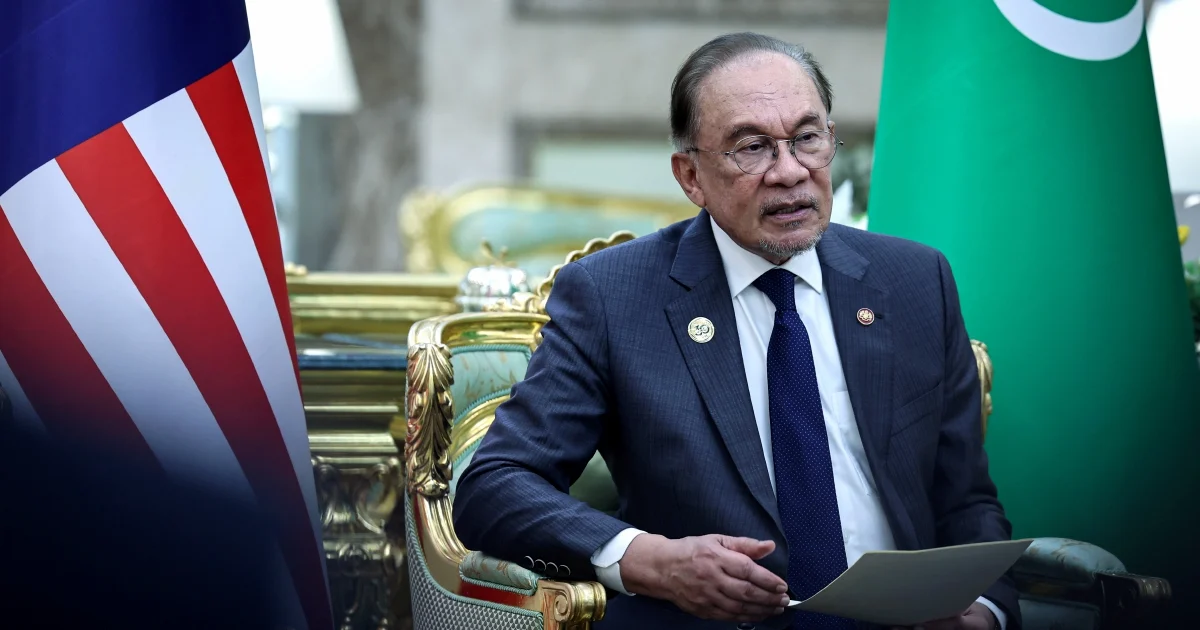
Prime Minister Datuk Seri Anwar Ibrahim has responded positively to reports of an emerging agreement between Washington and Tehran, characterising the diplomatic development as encouraging news for the international community at large. Speaking during a visit to Batu Kawan, Malaysia's chief executive articulated his view that negotiations between the two historically adversarial powers represent a significant moment for global affairs.
The Prime Minister's remarks come as diplomatic channels between the United States and Iran appear to be yielding tangible results after years of tension and economic sanctions. For Malaysian policymakers, the reduction of US-Iran hostilities carries profound implications for regional stability in the Middle East and beyond. Malaysia, as a Southeast Asian nation with substantial trade relationships across multiple regions, maintains keen interest in preventing geopolitical flashpoints that could disrupt international commerce and security arrangements.
Anwar's endorsement of the diplomatic process reflects Malaysia's longstanding commitment to peaceful conflict resolution through multilateral engagement. The country has consistently advocated for dialogue over confrontation in regional disputes, positioning itself as a bridge-builder between nations with divergent geopolitical interests. His statement underscores Malaysia's belief that unresolved tensions between major powers inevitably create ripple effects across global economic and political systems, affecting smaller nations particularly acutely.
The Malaysian Prime Minister's optimism, however, appears tempered by pragmatism regarding the challenges inherent in transforming preliminary agreements into durable peace frameworks. His emphasis on hoping for lasting peace rather than declaring immediate victory suggests recognition that initial breakthroughs often encounter substantial obstacles during implementation phases. Historical precedent demonstrates that agreements between the United States and Iran require sustained political commitment from both governments, negotiating teams, and the broader international community to withstand inevitable pressures from domestic opposition forces.
For Southeast Asia specifically, a more stable Middle East translates into multiple strategic advantages. Reduced tensions diminish the likelihood of military escalation that could threaten regional shipping lanes through which substantial Malaysian trade flows. Energy security becomes less volatile when oil-producing nations are not engaged in proxy conflicts or direct military confrontation. Furthermore, the regional humanitarian crisis that has displaced millions of people could gradually improve should diplomatic progress translate into conflict de-escalation.
Anwar's welcoming stance also positions Malaysia within the broader international consensus favouring diplomatic solutions over confrontation. Regional allies including Indonesia and Thailand have expressed similar sentiments, viewing American-Iranian rapprochement as essential for maintaining international order. The Prime Minister's comments align Malaysia with moderate voices advocating for inclusive multilateralism rather than zero-sum geopolitical competition.
The timing of Anwar's remarks carries additional significance given Malaysia's role in Southeast Asian diplomacy and its relationships with diverse international partners. The country maintains diplomatic relations with both Western powers and nations traditionally closer to Iran, granting Malaysia unique flexibility in supporting peace initiatives. Malaysian officials have previously hosted dialogue forums and facilitated discussions between parties with competing interests, suggesting the nation views such diplomatic breakthroughs as opportunities to enhance its regional and international standing.
However, substantial uncertainties remain regarding implementation prospects. The preliminary nature of reported agreements means critical details regarding sanctions relief, nuclear programme verification, and regional security guarantees remain subject to negotiation. Each of these elements involves complex technical and political considerations where disagreements could still derail progress. Anwar's hope for sustained peace acknowledges these ongoing challenges while expressing confidence in the possibility of breakthrough.
From Malaysia's perspective, successful US-Iran negotiations could reduce security threats to regional partners while potentially opening new diplomatic and economic opportunities. Improved relations between Washington and Tehran might allow greater international focus on other pressing regional concerns, including maritime security, counterterrorism cooperation, and economic development initiatives that directly benefit Southeast Asian nations.
The Prime Minister's measured optimism reflects sophisticated understanding that peace in the Middle East requires not merely political declarations but sustained commitment to trust-building measures, verification mechanisms, and gradual normalisation of relations. Anwar's statement indicates Malaysia will continue supporting diplomatic initiatives that reduce international tensions, viewing such efforts as fundamental to preserving regional peace and enabling prosperity throughout Southeast Asia and the broader world.

%22%2F%3E%3C%2Fpattern%3E%3C%2Fdefs%3E%3Crect%20width%3D%22100%25%22%20height%3D%22100%25%22%20fill%3D%22url(%23ph2hy9vg)%22%2F%3E%3Crect%20width%3D%22100%25%22%20height%3D%22100%25%22%20fill%3D%22url(%23ph2hy9vp)%22%2F%3E%3Ctext%20x%3D%2250%25%22%20y%3D%2250%25%22%20text-anchor%3D%22middle%22%20dominant-baseline%3D%22central%22%20fill%3D%22rgba(255%2C255%2C255%2C0.95)%22%20font-family%3D%22Georgia%2C%20'Times%20New%20Roman'%2C%20serif%22%20font-weight%3D%22700%22%20font-size%3D%22272%22%20letter-spacing%3D%22-0.02em%22%3EAnwar%3C%2Ftext%3E%3C%2Fsvg%3E)