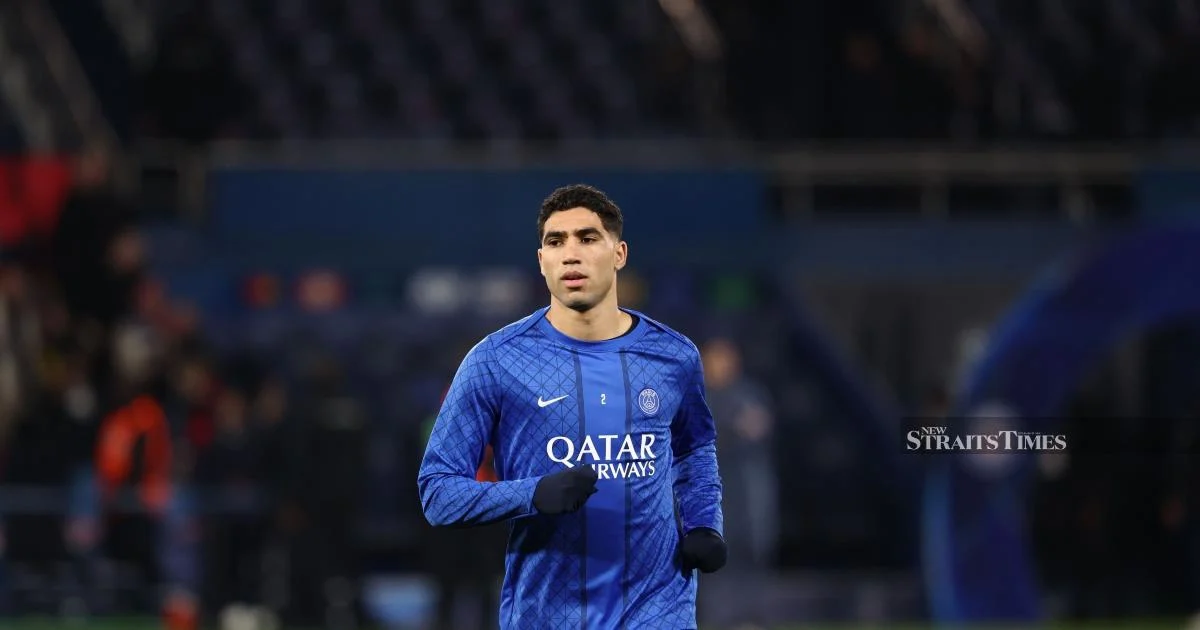
Paris Saint-Germain's Morocco international defender Achraf Hakimi has cleared a critical legal hurdle after a French appeals court on Friday ruled he will proceed to trial on charges related to an alleged rape of a young woman. The decision by the Versailles court represents a pivotal moment in a case that has drawn intense scrutiny across European football and highlights how even elite athletes face serious legal consequences in jurisdictions with robust judicial systems.
The confirmation means Hakimi, who plays as a right-back and represents one of Africa's leading football nations on the international stage, will now face full trial proceedings. This marks the transition from investigation and preliminary hearings into the formal courtroom phase where evidence will be presented and contested before a judge or jury. The legal process underscores the principle that no individual, regardless of professional status or wealth, is immune from prosecution when serious allegations emerge.
French courts have previously examined the allegations and supporting evidence during the investigation phase, determining there was sufficient cause to move forward. The appeals court's Friday decision to uphold rather than overturn this finding suggests the legal foundation for prosecution remains solid. This step would typically involve the court's assessment that the evidence gathered thus far meets the threshold required under French law to proceed to trial.
For Malaysian sports enthusiasts and football followers in Southeast Asia, the case offers a sobering reminder of how international football, while celebrated globally, operates within multiple legal jurisdictions and cultural norms. Players who move to European clubs must navigate complex legal systems and societal expectations that may differ significantly from their home countries. The proceedings may also prompt discussions about accountability in professional sports, where high earnings and fame sometimes create perception gaps about legal and social responsibilities.
PSG, one of Europe's most prominent and commercially valuable clubs, has not made public statements extensively detailing its internal response to the allegations and ongoing legal process. Professional football clubs often face delicate balancing acts when players face serious allegations, weighing sponsorship obligations, squad management, and their own institutional reputation. The extended legal timeline ensures that such cases remain in the public conversation for months or potentially years.
The Morocco national team and its supporters have also been presented with difficult circumstances, as one of the country's prominent international athletes faces serious allegations. National football associations occasionally distance themselves from players facing legal troubles while cases remain active in courts, though some maintain formal relationships until legal proceedings conclude.
This case sits within a broader pattern of increased scrutiny of athlete conduct across major European sports. Football clubs, governing bodies, and national associations have gradually adapted their policies and communications regarding player conduct and allegations. Many now issue public statements emphasizing commitment to due process while also acknowledging victim support and societal expectations.
The trial phase will likely involve detailed examination of evidence, witness testimony, and legal arguments from prosecution and defence teams. French law permits appeals of trial verdicts, meaning any outcome could potentially be subject to further judicial review, extending the overall process duration. International sports figures often experience unusual trial circumstances, with significant media attention potentially complicating fair trial principles in some observers' views.
For Hakimi's professional career, the ongoing legal proceedings create uncertainty regarding his availability, mental focus, and long-term standing within professional football. European clubs have in past instances allowed players to continue professional activities while facing serious charges, though some have made different decisions depending on specific circumstances and contracts.
The broader implications for Southeast Asian football fans involve recognizing that top players operating across continents face scrutiny and legal standards that extend well beyond their playing performance. The international nature of modern football means players are subject to various legal systems simultaneously—their home countries' laws, the countries where they play, and international sports regulations.
The confirmation by the French appeals court that Hakimi will face trial represents a development that emerged through the standard judicial process rather than political or sporting pressure. The decision signals judicial determination to pursue the case through proper legal channels, reflecting France's established legal frameworks for handling serious allegations.
As the case proceeds toward trial, attention will likely focus on the specific evidence presented, witness credibility, and how French courts ultimately assess the allegations. The resolution of such high-profile cases often generates broader conversations about athlete responsibility, power dynamics in professional sports, and how societies balance the celebration of sporting talent with accountability for alleged criminal conduct.

%22%2F%3E%3C%2Fpattern%3E%3C%2Fdefs%3E%3Crect%20width%3D%22100%25%22%20height%3D%22100%25%22%20fill%3D%22url(%23ph2hy9vg)%22%2F%3E%3Crect%20width%3D%22100%25%22%20height%3D%22100%25%22%20fill%3D%22url(%23ph2hy9vp)%22%2F%3E%3Ctext%20x%3D%2250%25%22%20y%3D%2250%25%22%20text-anchor%3D%22middle%22%20dominant-baseline%3D%22central%22%20fill%3D%22rgba(255%2C255%2C255%2C0.95)%22%20font-family%3D%22Georgia%2C%20'Times%20New%20Roman'%2C%20serif%22%20font-weight%3D%22700%22%20font-size%3D%22272%22%20letter-spacing%3D%22-0.02em%22%3EAnwar%3C%2Ftext%3E%3C%2Fsvg%3E)