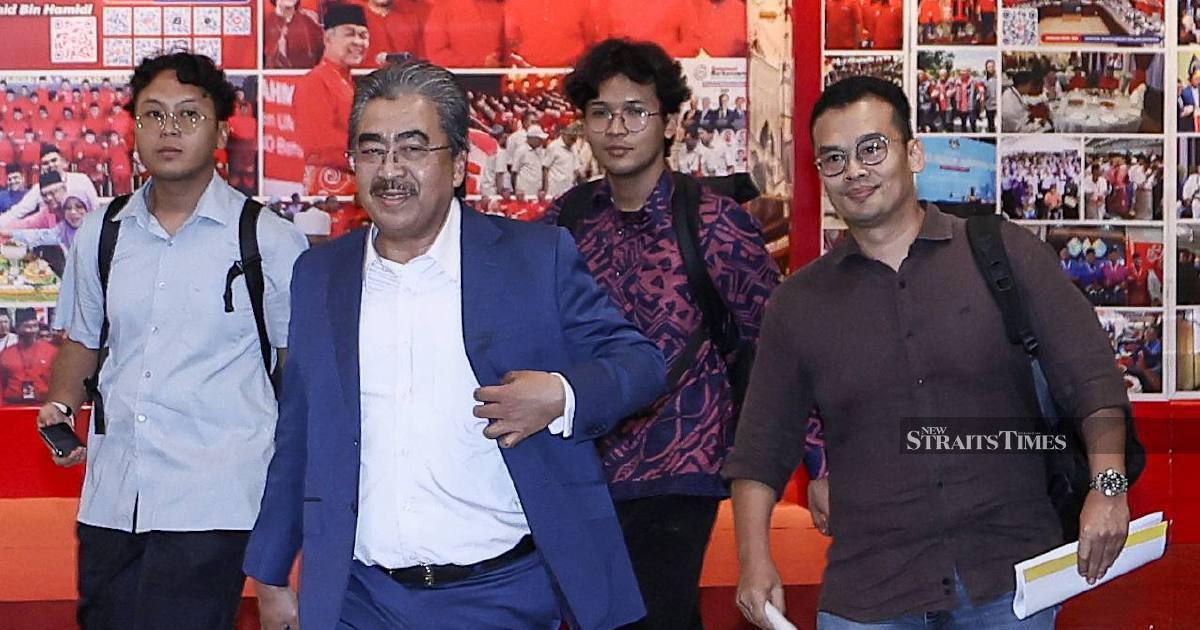
Deputy Prime Minister Ahmad Zahid Hamidi convened a restricted briefing session at UMNO headquarters in Kuala Lumpur focused on the newly declassified Royal Commission of Inquiry report into Lembaga Tabung Haji. The gathering brought together influential figures from both the Barisan Nasional coalition and the opposition Perikatan Nasional bloc, signalling the sensitive nature of the inquiry's conclusions regarding Malaysia's Islamic pilgrimage fund manager.
The decision to include Perikatan Nasional leadership in the closed-door session underscores an emerging pattern of cross-coalition engagement on matters touching national institutions and public fund stewardship. While such bipartisan briefings remain uncommon in Malaysia's polarised political landscape, the involvement of opposition figures suggests the RCI findings may contain recommendations or observations commanding broad parliamentary attention regardless of factional allegiances.
Tabung Haji's governance and financial management have long occupied a contested space in Malaysian public discourse. The fund, which manages savings and investments from Muslim Malaysians preparing for the Hajj pilgrimage, oversees assets totalling billions of ringgit. Any Royal Commission examination of its operations carries implications extending beyond routine administrative scrutiny, touching on matters of religious trust, governance standards, and fiduciary responsibility toward pilgrims from all economic backgrounds.
The declassification of the RCI report itself represents a significant moment. Royal Commission inquiries in Malaysia traditionally operate under confidentiality provisions, with findings sometimes remaining restricted or heavily redacted from public view. The decision to make this report accessible enough for comprehensive legislative and executive briefing suggests its contents may address systemic issues requiring remedial action or policy adjustment at institutional or legislative levels.
Political observers note that the timing of this briefing occurs within a broader context of Malaysia's institutional reform agenda. Recent years have witnessed increased scrutiny of governance frameworks across major state agencies and statutory bodies. The inclusion of opposition leaders in this particular briefing may reflect an understanding that recommendations emerging from the Tabung Haji inquiry could necessitate legislative changes or regulatory adjustments requiring cross-party consensus to implement effectively.
For Malaysian pilgrims and their families, the contents of a Tabung Haji RCI report carry direct relevance. Millions of ordinary Malaysians entrust the institution with accumulated savings designated for Hajj, expecting professional stewardship and transparent management. Any inquiry findings touching on operational deficiencies, investment practices, or governance shortcomings potentially affect both the security of these savings and the pilgrims' overall experience managing their religious obligations and financial commitments.
The restricted nature of the briefing reflects diplomatic and administrative sensitivities inherent in discussing a major Islamic institution's internal workings. While transparency principles favour public access to inquiry findings, government officials must balance disclosure against potential market impacts on the fund or institutional confidence among its contributors. The carefully managed approach of briefing key parliamentary figures before broader public release allows political leadership to prepare appropriate responses and coordinate messaging around any necessary reforms.
Peikatan Nasional's participation carries particular significance given its role as parliamentary opposition. Should the RCI report recommend structural changes, legislative amendments, or regulatory reforms, opposition parties' early engagement facilitates informed debate and constructive criticism during parliamentary proceedings. This approach contrasts sharply with instances where inquiry findings become flashpoints for partisan controversy precisely because opposition parties encounter conclusions without adequate preparation or contextual briefing.
Tabung Haji's institutional history includes previous periods of scrutiny and reform. The current RCI report likely builds upon earlier examinations of the fund's operations, potentially identifying persistent challenges or new vulnerabilities requiring systematic attention. Whether findings focus on investment strategy, administrative efficiency, governance structures, or pilgrimage service delivery, the breadth of issues potentially encompassed explains the need for comprehensive briefing among senior political figures across factional lines.
The briefing also reflects practical governance considerations regarding implementation timelines. Should the RCI recommend significant institutional reforms, substantive changes typically require legislative action, regulatory amendments, or administrative restructuring extending across multiple fiscal periods and government cycles. Early engagement with opposition leadership facilitates smoother passage of necessary legislation and reduces opportunities for reform initiatives to become entangled in routine partisan disputation.
For Southeast Asian observers, Malaysia's approach to managing inquiry findings through controlled parliamentary briefing demonstrates mechanisms distinct from some neighbouring jurisdictions. Rather than releasing findings to immediate public controversy, the managed briefing of key decision-makers allows for coordinated government response and reduces volatility around sensitive institutional matters affecting millions of citizens and international religious obligations.
Looking forward, the content and recommendations within the declassified RCI report will likely shape governance discussions within Tabung Haji over coming months. Whether findings prompt legislative amendments, regulatory adjustments, or administrative restructuring, the cross-coalition briefing approach suggests political leadership recognises the importance of national consensus around improvements affecting such a significant Islamic institution and the Malaysians depending upon it for their spiritual and financial obligations.

