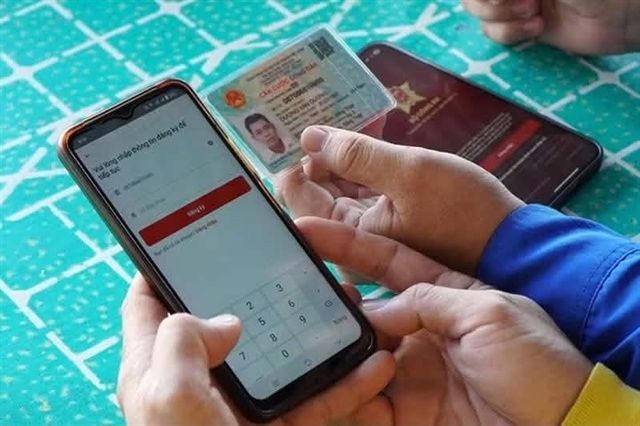
Vietnam has taken a significant step toward digital governance by extending electronic identification capabilities to foreign nationals legally present in the country, according to a newly issued Government decree reported by the Vietnam News Agency. The policy reform removes previous barriers that restricted digital ID access primarily to Vietnamese citizens, marking a broader commitment to inclusive digital infrastructure across Southeast Asia's fastest-growing tech economies.
Under the reformed framework, any foreign national who has lawfully entered or established residency in Vietnam may now request electronic identification accounts at multiple security levels. This shift reflects a pragmatic recognition that international residents and workers require seamless integration into digital systems for commerce, employment, and administrative participation. The move aligns with regional trends, where countries like Singapore, Thailand, and Malaysia have similarly expanded digital services to their resident foreign populations.
The decree introduces important procedural efficiencies that reduce administrative friction across the board. Specifically, both individuals and organizations no longer face requirements to repeatedly submit documentation when relevant data have already been incorporated into the national system. This principle of data non-duplication addresses a persistent complaint among users of government services throughout Southeast Asia, where redundant paperwork remains commonplace despite digitalization efforts.
The eligibility structure maintains age-based distinctions for Vietnamese citizens while opening pathways for foreigners. Domestic citizens aged six and above holding valid identity cards may obtain Level 1 or Level 2 electronic accounts upon request, while those under six with identity cards can access Level 1 accounts. Vietnamese citizens under six represent a growing demographic segment as the country experiences stabilizing birth rates, and providing early digital identity foundations serves long-term administrative objectives.
Foreign residents gain access to the same account tier options as Vietnamese citizens, eliminating discriminatory barriers that previously complicated their participation in digital services. This standardization proves particularly relevant for Malaysia and other ASEAN nations, whose citizens constitute significant expatriate communities in Vietnam's urban centers. Business professionals, teachers, and skilled workers will find smoother integration into Vietnamese regulatory and financial systems.
The decree's most ambitious provision involves integrating 206 distinct document categories into the national identification application. For individuals, the system now encompasses 66 document types spanning essential records such as birth certificates, residence information certificates, ordinary passports, visas, vehicle registration documents, driving licenses, and investment permits. This comprehensive approach consolidates previously fragmented administrative records into a single accessible platform.
Government and private organizations operating in Vietnam may similarly obtain electronic accounts at any authorization level, with 140 document categories designated for institutional integration. These institutional documents include seal specimen registration certificates, business identification name certificates, business licenses, and import-export permits. The breadth of this institutional inclusion suggests Vietnam intends to digitalize its entire regulatory and commercial documentation ecosystem.
The timing of implementation reflects Vietnam's methodical approach to technological rollout. By scheduling the decree's effective date for September 28, 2026, Vietnamese authorities provide businesses and government agencies approximately eighteen months for system preparation, testing, and workforce training. This extended transition period contrasts with rushed digital implementations that have occasionally created disruption in other Southeast Asian jurisdictions, indicating lessons learned from regional peers' experiences.
For Malaysian stakeholders, the expansion carries practical implications. Malaysian companies operating throughout Vietnam's growing manufacturing and logistics sectors will encounter streamlined regulatory compliance through unified digital documentation. Cross-border workers and professionals from Malaysia will experience reduced bureaucratic delays when establishing employment relationships or commercial partnerships in Vietnam. The system's scope also facilitates regional talent mobility, a strategic concern as ASEAN nations compete for skilled workers amid demographic challenges.
The policy demonstrates Vietnam's confidence in its digital infrastructure capabilities while acknowledging that inclusive systems drive broader economic participation. By removing nationality-based access barriers, Hanoi signals commitment to becoming a digitally integrated economy that accommodates the international business community. This positioning proves strategically significant as Vietnam competes with Thailand, Indonesia, and the Philippines for foreign direct investment and talent migration throughout Southeast Asia.
Implementation challenges will inevitably emerge as 206 document categories migrate into operational systems. Data security, verification protocols, and interoperability across legacy government databases require substantial technical coordination. Vietnam's previous digital initiatives have demonstrated both ambitious vision and occasional execution delays, suggesting stakeholders should anticipate a phased rollout despite the official implementation date.
The decree also reflects evolving global norms around digital identity frameworks. International monetary funds, development organizations, and trading partners increasingly expect governments to maintain modern, inclusive identification systems. Vietnam's expansion responds to these pressures while potentially positioning itself as a regional model for digital governance innovation that balances security, accessibility, and efficiency.

