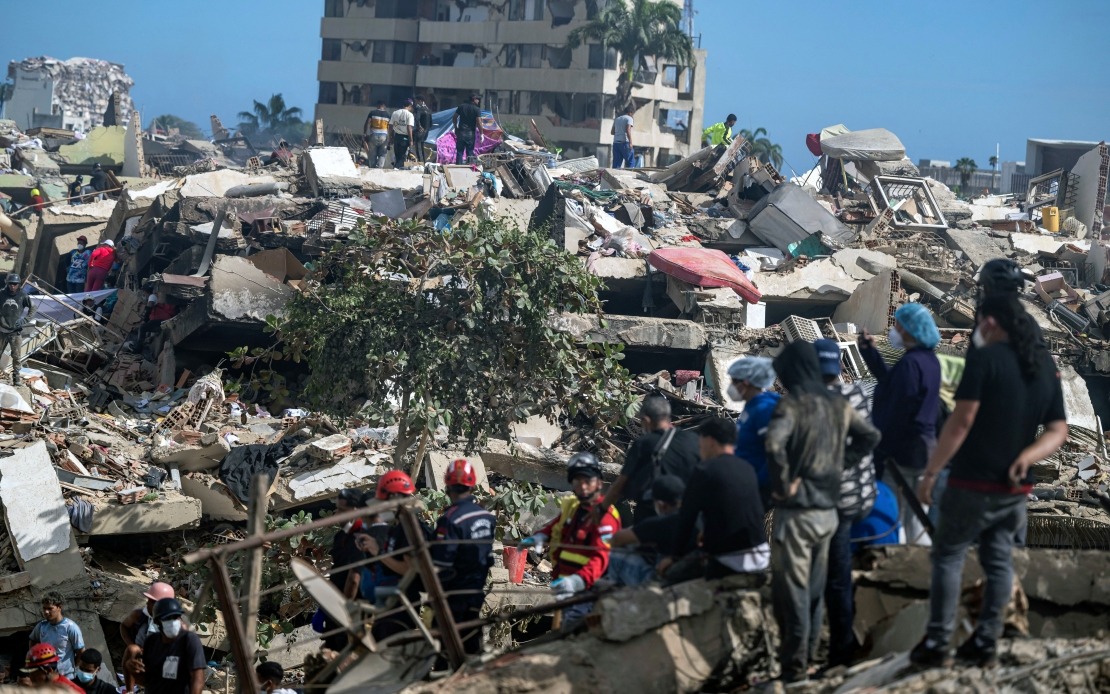
Venezuela faces a humanitarian crisis of unprecedented scale following twin earthquakes that struck its northern region on June 24, with the confirmed fatality count now standing at 2,295 according to an official announcement by National Assembly President Jorge Rodriguez on Wednesday. The successive seismic events, measured at 7.2 and 7.5 magnitude respectively, have upended the lives of tens of thousands across the affected territory, leaving behind a landscape of destruction and displacement that will require years to rebuild.
The human cost extends far beyond the immediate death toll. Official figures released through a national broadcast on state television channel Venezolana de Television reveal that 11,267 people have sustained documented injuries ranging from minor to life-threatening, while displacement data indicates that approximately 12,841 individuals have been forced to abandon their homes. These figures represent only the documented cases processed through official channels, and humanitarian organisations working in the field suggest the true numbers may be substantially higher given the challenges of accessing remote communities and the ongoing nature of rescue operations.
Emergency response capabilities have been mobilised across affected zones, with more than 4,000 personnel working in coordinated search and rescue missions. These combined efforts, drawing expertise from emergency services across Venezuela and international partners, have successfully extracted 6,461 individuals from collapsed and partially destroyed buildings. The speed and scale of these rescue operations underscore the critical importance of international cooperation in disaster response, a lesson particularly relevant for developing nations throughout Latin America and the Caribbean region that face similar seismic vulnerabilities.
The geological aftermath continues to reverberate through the affected territory, though with decreasing intensity. Seismic monitoring records maintained by electoral and municipal authorities have documented 782 distinct aftershocks since the initial twin earthquakes, representing a significant ongoing hazard for rescue personnel and vulnerable populations. However, seismologists tracking the phenomenon have noted a measurable decline in both the frequency of tremors and their subterranean intensity over the preceding 48 hours, suggesting the immediate seismic crisis is gradually subsiding. Rodriguez cautioned residents that while the immediate threat appears to be diminishing, structural dangers from compromised buildings remain acute and warrant continued vigilance.
Satellite analysis conducted by NASA provides a sobering assessment of the physical destruction wrought by the seismic events. Preliminary evaluations of orbital imagery indicate that more than 58,000 buildings across the northern region have sustained significant damage or been completely destroyed. This staggering figure encompasses residential structures, commercial facilities, critical infrastructure, and public buildings, painting a picture of near-total devastation across populated areas. For a nation already grappling with severe economic challenges and infrastructure deficits, the prospect of reconstructing such extensive damage presents an overwhelming burden that will require sustained international assistance and substantial domestic resources.
The international response has been swift and substantial, reflecting growing recognition of the disaster's regional significance. Search and rescue operations continue unabated, with rescue personnel representing more than 30 nations working alongside Venezuelan responders to locate and extract survivors from debris fields. This multinational effort demonstrates the hemispheric solidarity that can materialise when confronted with catastrophic natural disasters, though it also highlights the extent to which developing nations depend on external assistance during major crises.
The United Nations has already begun mobilising resources to address the humanitarian dimensions of the disaster, including the acquisition of 10,000 body bags—a grim indicator of the scale of fatalities and the challenges involved in the dignified handling of deceased victims. This logistical response, while necessary and appropriate, underscores the magnitude of the tragedy and the months of recovery operations that lie ahead. The procurement of such materials represents only the initial phase of what promises to be an extended humanitarian assistance operation.
For Malaysia and other Southeast Asian nations, the Venezuela earthquake serves as a potent reminder of the vulnerability all equatorial and tropical regions face to seismic hazards. While this particular disaster occurred in South America, the geological principles and response challenges are broadly applicable across the Pacific Ring of Fire and active fault zones throughout Asia. The success and limitations of Venezuelan authorities in coordinating responses offers valuable case studies for regional disaster management frameworks, particularly regarding the integration of international assistance with domestic coordination structures.
Looking forward, the dual challenge facing Venezuela encompasses both immediate humanitarian relief and longer-term reconstruction and resilience building. The nation must simultaneously address the medical needs of thousands of injured persons, provide shelter and sustenance to displaced populations, and begin the monumental task of rebuilding destroyed infrastructure. The presence of international rescue teams provides immediate capability, but sustainable recovery will depend on Venezuela's capacity to mobilise domestic resources and attract sustained international development assistance in the coming years.

