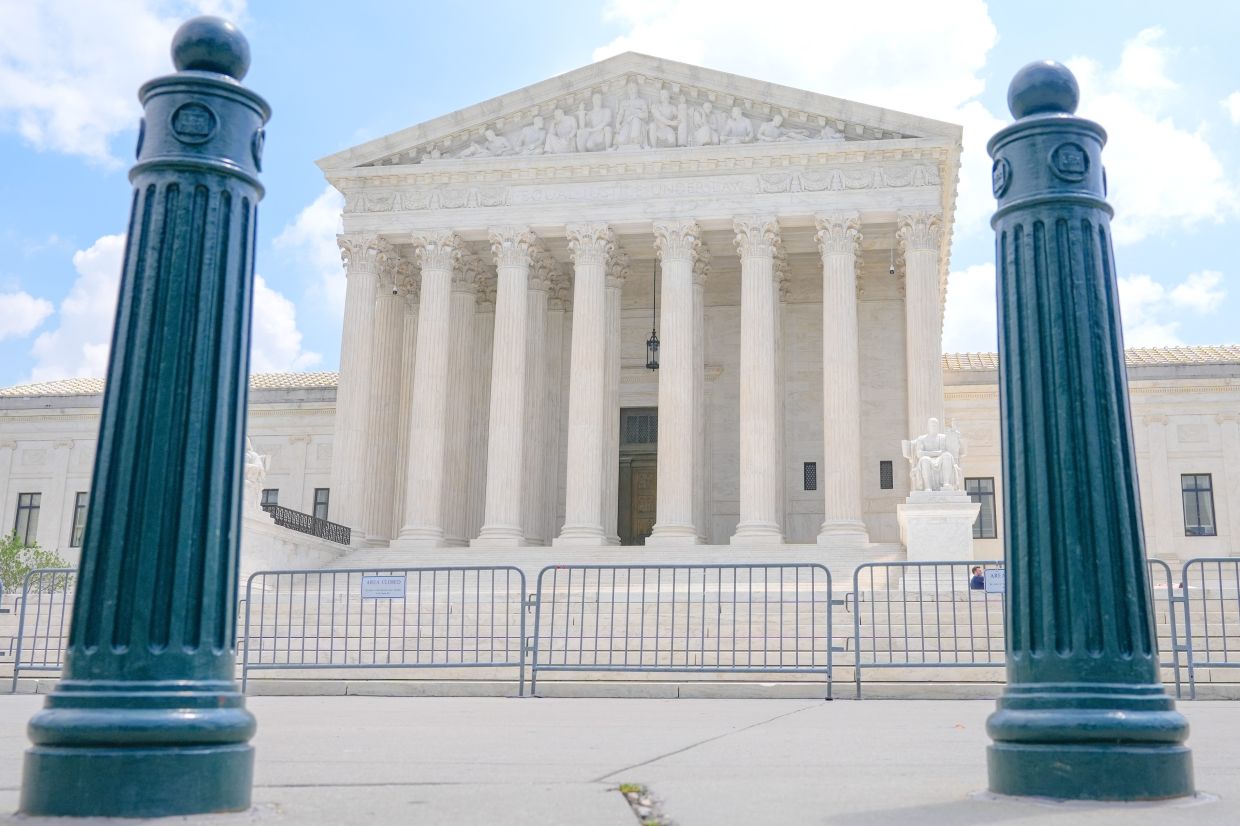
The United States Supreme Court has cleared the path for Texas to enforce one of America's most stringent age verification requirements for digital app stores, rejecting emergency appeals from technology industry groups and free speech advocates who argued the measure violates constitutional protections. Justice Samuel Alito issued two terse one-sentence orders denying the petitions, allowing the contentious Texas App Store Accountability Act to proceed without federal court intervention.
The legal journey of this legislation has been volatile and drawn competing interpretations of where the balance should lie between child protection and constitutional rights. Last December, a federal district court initially blocked the law, concluding it infringed upon First Amendment protections. However, that decision was effectively overturned in June when a three-judge panel from the 5th US Circuit Court of Appeals decided the law could move forward, suspending the district court's injunction and permitting the state to implement the measure.
Texas Attorney General Ken Paxton stands as the central defendant in both court challenges, positioning the state government as the defender of the legislation. The opposing coalition includes the Computer & Communications Industry Association, which represents major technology firms with commercial interests in app distribution, and Students Engaged in Advancing Texas, an organization focused on digital rights and educational access. This alliance reflects the breadth of opposition to the law, spanning both corporate technology interests and civil liberties concerns.
The core legal dispute hinges on whether protecting minors from potentially harmful digital content justifies restricting access to material that adults have a constitutional right to view. Lawyers opposing the law contend that the age verification requirement impermissibly restricts access to news articles, educational resources, and other information protected under the First Amendment. They argue that the government cannot impose blanket access restrictions based on age without demonstrating a compelling interest and using the least restrictive means available—a stringent legal standard that the law's opponents believe it fails to meet.
Moreover, plaintiffs' attorneys have raised the question of parental rights, suggesting that parents—not state governments—should determine what digital content their children access. In their Supreme Court filing, attorneys for Students Engaged in Advancing Texas emphasized that protecting constitutional freedoms and preserving parental discretion over child-rearing decisions serves the public interest far more effectively than governmental mandates about what young people should and should not be allowed to download.
Texas officials, however, present a fundamentally different conception of the public interest. The state's legal team characterizes modern app stores as containing unrestricted gateways to potentially exploitative digital products that routinely collect children's personal data, facilitate invasive surveillance, and expose minors to harmful content—all without meaningful parental involvement or awareness. This framing treats age verification less as a content restriction and more as a consumer protection mechanism analogous to age limits on purchasing alcohol or tobacco products.
From a policy perspective, the Texas law represents an experimental approach to digital governance that could reverberate across other American states and potentially influence regulatory discussions elsewhere. If the law survives ongoing legal challenges, it would establish a precedent allowing states to impose strict age-gating requirements on digital platforms—a model that could inspire similar legislation in other jurisdictions. For Malaysian and Southeast Asian readers, this development carries relevance as regional governments increasingly grapple with regulating technology companies' practices toward younger users, balancing innovation and commerce against child safety and rights protection.
The Supreme Court's decision not to intervene at this stage does not constitute a final judgment on the law's constitutionality. The case will likely continue through lower courts, potentially returning to the appellate level for further review. However, the Court's reluctance to block the law suggests that at least some members of the current Supreme Court majority may view age verification requirements with less constitutional skepticism than free speech advocates fear, though the one-sentence orders provide no insight into the justices' reasoning.
The practical implementation of age verification technologies presents another dimension to this debate. Determining age online reliably and securely remains technically challenging, and solutions typically involve either government identification verification or biometric analysis—both raising separate privacy and data security concerns that complicate the law's purported protective purpose. Technology companies argue that these verification methods themselves pose risks to the very privacy they claim the law aims to safeguard.
For the broader digital ecosystem, this development signals that state governments are willing to intervene directly in app store operations despite the national and international scope of digital platforms. Major technology companies operating in Texas may face pressure to implement state-specific requirements, potentially fragmenting the experience across different jurisdictions. This could set a precedent for other regions considering similar legislation.
The law's advancement also reflects deeper societal ambivalence about technology's role in children's lives. While few dispute that some digital products pose genuine risks to minors, disagreement persists about whether age verification represents an appropriate remedy or constitutes governmental overreach into parental autonomy and constitutional expression. The Supreme Court's silence on these questions leaves them unresolved for now, ensuring that the Texas App Store Accountability Act will continue generating legal, political, and technical debate as it moves toward implementation.

