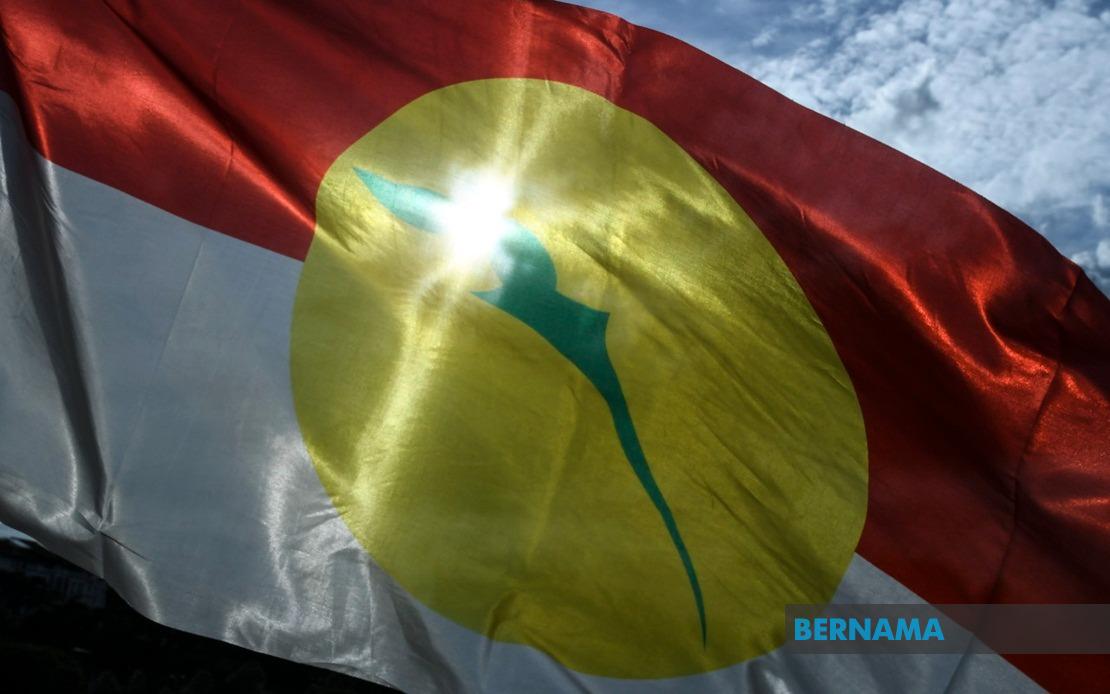
UMNO has appealed to its members to subordinate personal grievances to the party's broader mission and commitment to the public, as discontent simmers over the candidate nomination process for the upcoming 16th Johor state election. The message came from UMNO Information Chief Datuk Seri Azalina Othman Said, who acknowledged the legitimate feelings of frustration many party members harbour after being passed over for selection but insisted that party discipline and maturity demanded acceptance of the leadership's decisions.
Azalina's statement represents a calculated effort by the party hierarchy to manage internal tensions without appearing to dismiss the concerns of disappointed candidates and their supporters. She framed the situation as a test of character and commitment, arguing that true party loyalty becomes most apparent not when members succeed but when they accept setbacks with grace. The messaging suggests UMNO is aware that visible internal discord could damage the party's electoral prospects and provide ammunition to opposition parties seeking to portray them as fractious and divided.
The candidate selection process, overseen by Johor UMNO Liaison Committee Chairman Datuk Onn Hafiz Ghazi, appears to have generated considerable unhappiness within party ranks. Azalina acknowledged that disappointment was inevitable given the large pool of aspirants competing for a finite number of nominations, yet she contended that every major political organisation experiences similar challenges. Her framing suggested this was a normal part of democratic party functioning rather than evidence of any fundamental problem with the selection methodology.
One high-profile departure underscores the depth of dissatisfaction: UMNO Supreme Council member Datuk Dr Mohd Puad Zarkashi announced his immediate resignation from the party to reclaim the freedom to express his views publicly. While Mohd Puad did not immediately detail his reasons, UMNO Secretary-General Datuk Dr Asyraf Wajdi Dusuki characterised the resignation as stemming from frustration that Mohd Puad's son had been denied nomination for the Rengit state seat. The episode illustrates how candidate selection decisions can have cascading effects, triggering resignations from senior figures and risking broader credibility damage if such departures continue.
For Malaysian political observers and Southeast Asian watchers, the situation reflects broader tensions within UMNO as the party attempts to balance competing demands: maintaining internal cohesion, managing generational transitions, and ensuring that nominations reflect both merit and factional balance. The timing is particularly sensitive, as UMNO cannot afford significant defections ahead of what party strategists view as a crucial electoral contest. Johor remains UMNO's traditional stronghold, and losing ground there would be a severe setback for the party's national ambitions.
Azalina's emphasis on party discipline carries implicit warnings to dissenters. Her statement that members can raise criticisms but must ultimately fall in line once decisions are made establishes clear boundaries around acceptable behaviour. This framing suggests that further public complaints or, worse, defections will be viewed as breaches of party loyalty rather than legitimate expressions of concern. The message is targeted partly at grassroots members and aspiring candidates, but also at party elites who might consider leveraging disappointed factions for personal advancement.
The leadership's confidence that UMNO possesses deep benches of emerging talent offers another strategic angle. By suggesting that rejected candidates will eventually get their turn, party hierarchy attempts to persuade disappointed members that setbacks are temporary rather than terminal. This narrative rests on UMNO's institutional capacity to regenerate leadership continuously. However, if multiple election cycles pass without providing opportunities to large numbers of qualified hopefuls, this claim may wear thin and fuel recruitment of disgruntled members by opposition parties.
The timeline adds urgency to UMNO's internal management efforts. The Election Commission has scheduled nominations for June 27, with polling day set for July 11. This compressed schedule leaves little time for wounds to heal before the campaign begins in earnest. Any continued internal bickering or high-profile resignations in the coming days could dominate news coverage and distract from UMNO's policy messaging. The party leadership's appeals for unity are partly an effort to suppress such coverage and move quickly toward election mode.
For voters in Johor and beyond, the candidate selection controversy raises questions about internal democratic processes within political parties. While UMNO framed the selection as a deliberative process handled with calm and political courage, the resignations and expressed disappointments suggest that some party members felt the process lacked transparency or fairness. These perceptions, whether accurate or not, risk eroding the legitimacy of selected candidates among party activists, potentially affecting ground-level campaign enthusiasm.
The episode also has implications for how UMNO and other Malaysian parties navigate generational renewal. As older leaders gradually exit and younger figures seek elevation, managing aspirations and expectations becomes increasingly complex. UMNO's assertion that it maintains a robust pipeline of talent is reassuring, but only if the party demonstrates through actual practice that it creates genuine pathways for emerging leaders. A reputation for consistently disappointing younger candidates could accelerate defections to opposition parties or cause disaffection that undermines party machinery during critical electoral periods.
Beyond the immediate Johor context, this situation reflects broader struggles within Malaysia's dominant political formations. The balance between democratic internal decision-making and party discipline—between accommodating diverse interests and maintaining cohesion—remains perpetually contested. How UMNO resolves these tensions in the coming weeks will offer insights into the party's institutional health and adaptability, factors that will influence Malaysian politics well beyond the July 11 Johor election.

