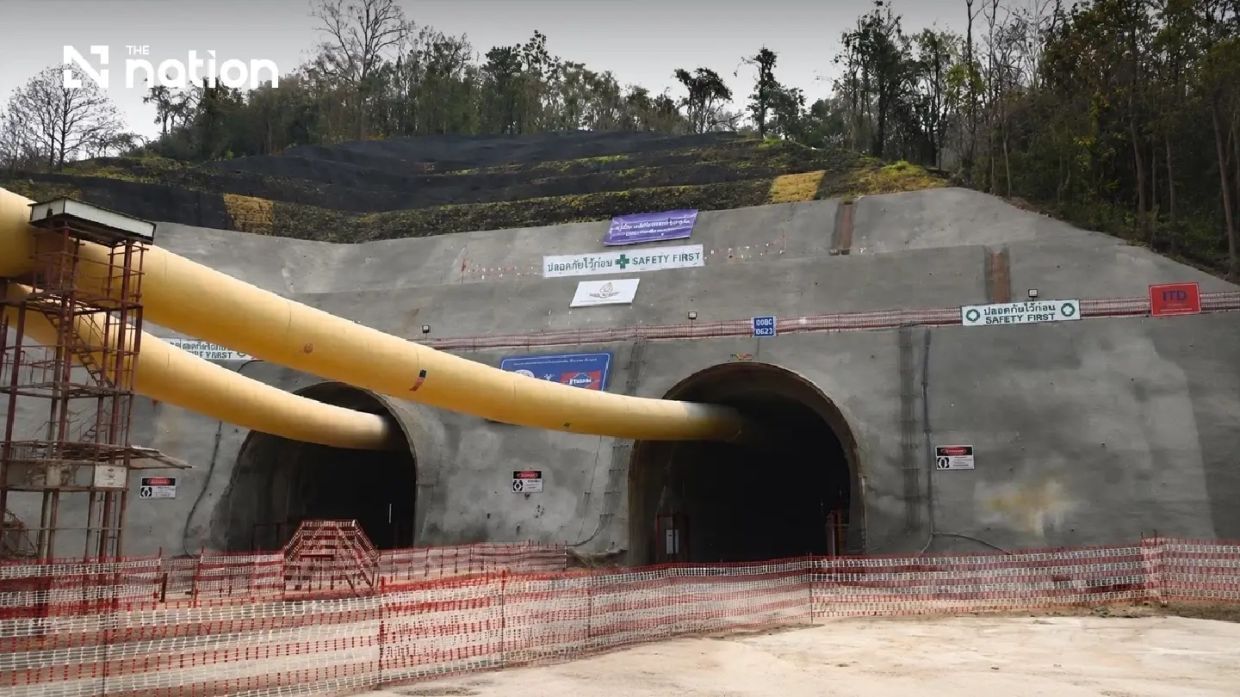
A catastrophic structural failure inside a major railway tunnel under construction in northern Thailand has claimed the lives of two workers and left seven others hospitalised with injuries ranging from moderate to severe. The incident took place inside the Doi Luang tunnel in Chiang Rai's Chiang Saen district on Saturday evening, marking a significant safety setback for Thailand's ambitious rail expansion into its northeastern regions.
The accident unfolded at approximately 8.35pm as construction workers were engaged in installing waterproofing systems within the 3.4-kilometre underground passage. According to initial investigation reports released by Deputy Transport Minister Siripong Angkasakulkiat, the immediate cause appears to have been a rockfall from the tunnel wall that struck workers and their support structures. Earlier accounts had suggested the collapse involved shotcrete—sprayed concrete used to stabilise tunnel walls—though clarification from officials indicates falling rock material was the primary triggering factor.
The medical toll reflects the severity of the incident: two workers were pronounced dead, three sustained serious injuries requiring intensive hospital care, while four others suffered minor wounds. All casualties were transported to medical facilities for treatment and observation. The swift response from emergency services and the project's safety protocols prevented what could have been an even more devastating outcome, though the loss of life underscores persistent workplace hazards in major infrastructure construction across Southeast Asia.
The Doi Luang tunnel forms part of the State Railway of Thailand's Den Chai-Chiang Rai-Chiang Khong railway line, a strategic project designed to enhance regional connectivity and economic integration across northern Thailand and into neighbouring nations. This 3.4-kilometre passage was already fully bored through at the time of the collapse, meaning construction had progressed to the critical finishing phase where interior systems, stabilisation measures, and safety installations are conducted. Such phases often present heightened risks as workers occupy confined spaces while undertaking multiple specialised tasks simultaneously.
The tunnel represents merely one element of Contract 3 on the Chiang Rai-Chiang Khong section, a vastly larger undertaking valued at THB19.385 billion. This contract encompasses approximately 87 kilometres of both ground-level and elevated railway tracks, three major stations, three additional halts, comprehensive signalling and telecommunications infrastructure, and various ancillary works. The sheer scale of this contract illustrates why construction site safety becomes exponentially more complex when multiple teams and subcontractors operate across diverse work environments and technical specialisations.
The project has been awarded to the CKST-DC3 Joint Venture, a consortium bringing together Thailand's CH. Karnchang Public Company Limited, the Chinese-Thai partnership Sino-Thai Engineering & Construction Public Company Limited, and Chiangmai Construction Co., Ltd. This tri-party arrangement reflects the international financing and technical expertise typically required for Thailand's major rail initiatives, though joint venture structures can sometimes complicate accountability and safety culture coordination across different organisational frameworks.
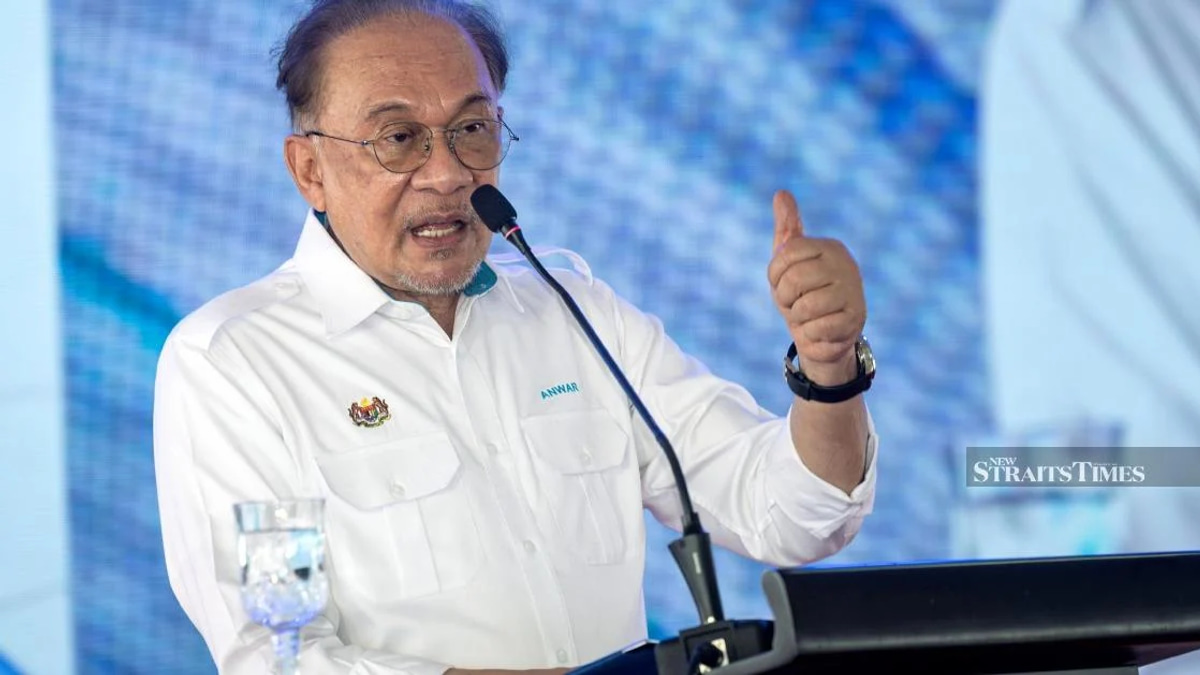
Deputy Transport Minister Siripong moved swiftly to reassure stakeholders that immediate containment procedures had been activated. The accident site was sealed and secured to prevent further incidents and preserve evidence for comprehensive investigation. He confirmed that the project's dedicated safety unit had assumed direct control of operations at the tunnel, implementing heightened monitoring protocols while authorities conducted detailed forensic examinations of what transpired.
The State Railway of Thailand's Special Projects and Construction Department mobilised inspection teams to assess conditions and document findings. This parallel investigation track indicates the seriousness with which Thai transport authorities are treating the incident and their commitment to establishing root causes beyond the preliminary assessment. Officials acknowledged that their examination was ongoing and that definitive conclusions about contributing factors—potentially including equipment failure, design insufficiencies, or procedural lapses—would emerge only after thorough analysis.
For Malaysia and other Southeast Asian nations pursuing aggressive infrastructure development, the Chiang Rai incident serves as a sobering reminder of construction risks that persist despite modern safety standards and regulatory oversight. Thailand's rail expansion programme, while economically strategic, operates in challenging geological and logistical environments that demand rigorous safety culture enforcement. The joint venture structure, while leveraging diverse expertise, requires explicit mechanisms ensuring consistent safety standards across all participating organisations.
The Den Chai-Chiang Rai-Chiang Khong railway project remains strategically vital for regional integration, potentially facilitating freight and passenger movement across borders and reducing reliance on road transport through mountainous terrain. However, the human cost of construction mishaps cannot be dismissed in pursuit of developmental timelines. Thai authorities and the CKST-DC3 consortium face pressure to demonstrate that comprehensive safety reviews will not delay project completion unnecessarily, whilst simultaneously implementing genuine improvements to working conditions and hazard mitigation.
The incident highlights how underground construction in limestone and mountainous regions—common throughout Southeast Asia—presents distinctive challenges that surface construction does not face. Tunnel work combines confined spaces, complex geology, heavy equipment operations, and specialist technical tasks under conditions where visibility and communication difficulties compound safety risks. Malaysia's own rail projects, particularly those involving tunnelling through similar terrain, would benefit from close examination of how this accident occurred and what systemic safeguards can be strengthened.
Official statements indicated that detailed findings and revised safety protocols would be communicated once investigations concluded. The Transport Ministry has pledged transparency in its reporting, recognising that public confidence in infrastructure projects depends partly on demonstrated accountability when accidents occur. For the bereaved workers' families and injured colleagues, this tragedy underscores the human dimensions underlying Thailand's development aspirations and the need for workplaces where safety remains genuinely paramount rather than secondary to schedule pressures.
%22%2F%3E%3C%2Fpattern%3E%3C%2Fdefs%3E%3Crect%20width%3D%22100%25%22%20height%3D%22100%25%22%20fill%3D%22url(%23ph2mp32g)%22%2F%3E%3Crect%20width%3D%22100%25%22%20height%3D%22100%25%22%20fill%3D%22url(%23ph2mp32p)%22%2F%3E%3Ctext%20x%3D%2250%25%22%20y%3D%2250%25%22%20text-anchor%3D%22middle%22%20dominant-baseline%3D%22central%22%20fill%3D%22rgba(255%2C255%2C255%2C0.95)%22%20font-family%3D%22Georgia%2C%20'Times%20New%20Roman'%2C%20serif%22%20font-weight%3D%22700%22%20font-size%3D%22226%22%20letter-spacing%3D%22-0.02em%22%3EPenang%3C%2Ftext%3E%3C%2Fsvg%3E)