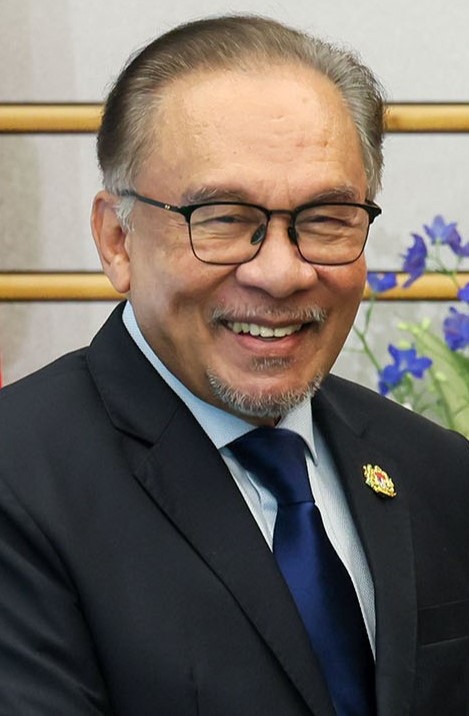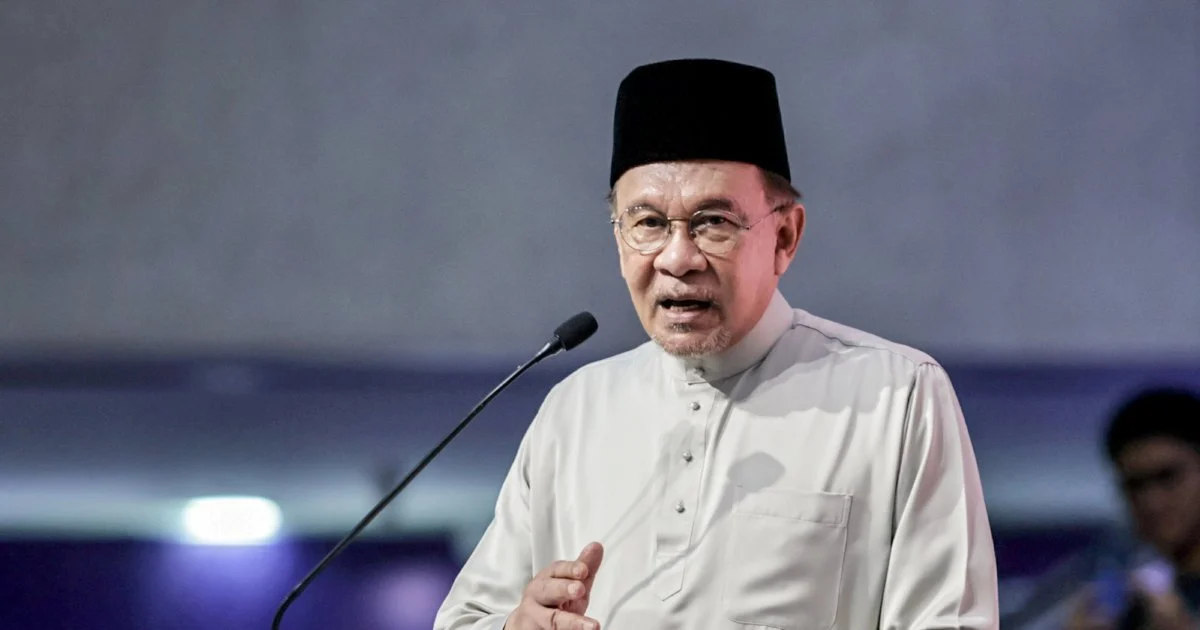
The Tunku Mahkota of Johor, Tunku Ismail Sultan Ibrahim, convened with Prime Minister Datuk Seri Anwar Ibrahim at an audience in the nation's capital today, marking what officials described as a cordial and harmonious gathering between two prominent figures in Malaysia's political and royal spheres.
The meeting between the heir apparent to Johor's throne and the country's chief executive carried symbolic significance within Malaysia's constitutional framework, where the relationship between the federal government and the royal institutions remains a cornerstone of the nation's governance structure. Such formal engagements between the Prime Minister and members of the royal establishment typically signal alignment on matters of mutual concern or serve as occasions for substantive dialogue on national affairs affecting the respective constituencies they represent.
Tunku Ismail Sultan Ibrahim holds considerable influence within Johor, Malaysia's southernmost state and an economic powerhouse that has historically played a pivotal role in national politics. His position as Tunku Mahkota places him in direct line to assume the throne of Johor, traditionally one of Malaysia's most significant sultanates, with the state frequently serving as a testing ground for policy initiatives or a barometer of public sentiment on federal matters. The formal nature of the audience underscores the continued importance of such protocols within Malaysia's institutional fabric.
The Prime Minister's engagement with the Johor royal household reflects the broader necessity for the federal government to maintain constructive working relationships across Malaysia's thirteen state administrations and their respective monarchies. Johor, in particular, commands strategic attention due to its economic contributions, geographic position adjacent to Singapore, and historical political weight. The state's representation in national discourse remains consequential for any Prime Minister navigating the complex terrain of Malaysia's federal-state dynamics.
Official characterization of the meeting as harmonious suggests an absence of tensions or outstanding grievances between the federal government and Johor's royal institution on the issues likely discussed. Such positive framing carries weight in Malaysia's political culture, where the tone of ruler-government interactions frequently attracts media scrutiny and public interpretation. The cordial nature of the engagement may carry implications for the broader relationship between the federal administration and the institution of royalty, particularly as Malaysia navigates contemporary challenges requiring cooperation across institutional lines.
The audience occurred within a period of significant political activity in Malaysia, where the Prime Minister continues to manage coalition dynamics, implement government policies, and address pressing national concerns ranging from economic performance to institutional reform. Maintaining harmonious relations with state rulers remains integral to this broader political balancing act, as sultanates retain constitutional prerogatives and exercise considerable influence over state-level matters including land administration, Islamic affairs, and customary law.
For Johor specifically, the meeting may carry implications beyond the immediate courtesies exchanged. The state government operates within the context of the federal framework while exercising substantial autonomy in areas devolved to state administration under Malaysia's constitutional division of powers. Any understanding reached during such high-level engagements between the Tunku Mahkota and the Prime Minister could influence the state's policy directions or signal federal commitment to collaborative approaches on matters of shared concern.
The significance of royal audiences in Malaysian politics cannot be understated, particularly when involving direct heirs to state thrones. The Tunku Mahkota of Johor, as a younger generation royal with increasing responsibilities, represents an evolving dimension of Malaysia's monarchical institutions. His capacity to engage productively with federal leadership becomes increasingly consequential as succession mechanisms within the Malaysian system continue their natural progression.
In regional context, Malaysia's ability to maintain stability and cooperation across its federal structures—encompassing multiple sultanates, state governments, and a federal administration—remains relevant to how the country manages its development agenda and international responsibilities. The smooth functioning of relationships between these institutional actors facilitates the coherent policy implementation necessary for Malaysia to advance economically and maintain its standing as a stable constitutional monarchy within Southeast Asia.
The cordial nature of today's meeting reflects Malaysia's long-standing tradition of managing potential tensions between royal institutions and executive authority through regular, respectful engagement. This institutional culture has enabled the country to navigate complex political transitions and competing interests throughout its independence, preserving both the sanctity of its constitutional monarchy and the functional capacity of its elected government to govern effectively.