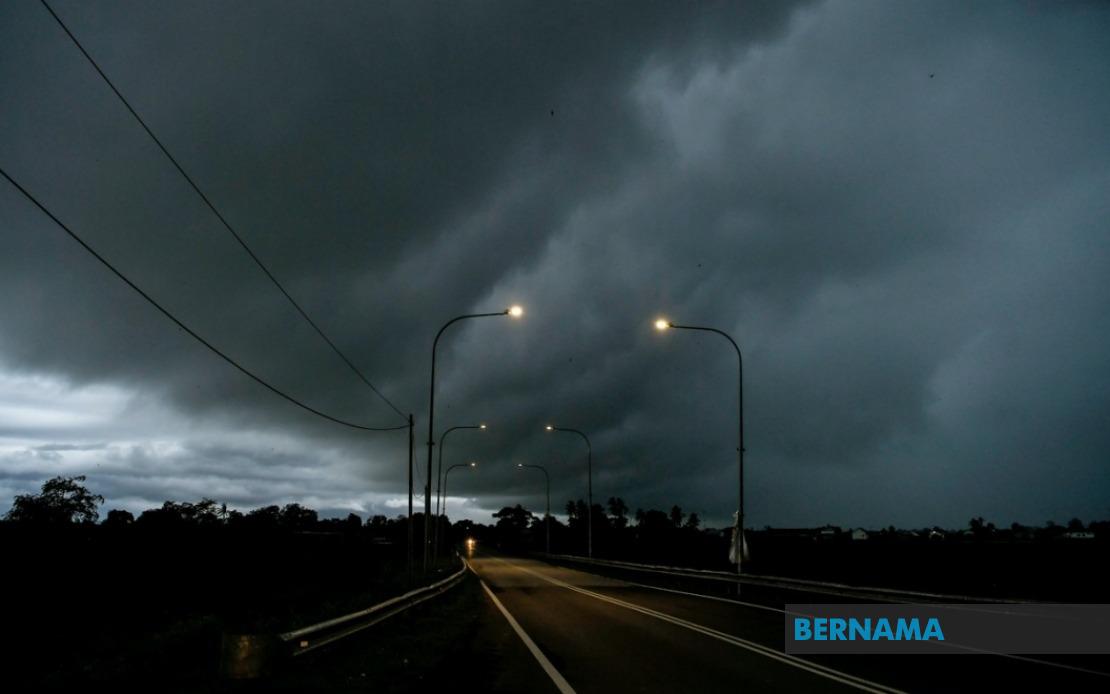
Malaysia's weather authority has activated an alert system across a substantial portion of the country as unstable atmospheric conditions threaten to bring severe weather to populated regions and rural communities alike. The Malaysian Meteorological Department issued the warning on July 7, cautioning residents and commuters in nine states, the capital Kuala Lumpur, and the administrative centre Putrajaya to prepare for thunderstorms, heavy rain, and strong winds persisting until 6 pm. The geographical spread of the alert underscores the scale of the weather disturbance affecting the nation.
The warning encompasses specific districts within Perak, where communities in both the highland and lowland areas face potential disruptions. The affected zones span from Hulu Perak in the northern reaches through to Hilir Perak and Batang Padang in the south, including the tin-mining districts of Kinta and Kampar. This comprehensive coverage of Perak reflects the meteorological department's assessment that the system poses a widespread threat rather than affecting isolated pockets. Residents in these regions are advised to exercise caution, particularly those in areas prone to flash flooding or with inadequate drainage infrastructure.
The East Coast states of Kelantan and Terengganu have also entered the warning zone, with specific attention drawn to coastal and riverine communities. In Kelantan, the alert encompasses Tumpat, Pasir Mas, Jeli, Tanah Merah, Kuala Krai, and Gua Musang, while Terengganu's affected areas include Setiu, Kuala Nerus, Kuala Terengganu, Marang, Dungun, and Kemaman. The inclusion of multiple districts along both states' perimeters suggests meteorologists anticipate the system will impact both inland and maritime zones, potentially affecting fishing communities and agricultural operations dependent on favourable weather conditions.
Pahang, Malaysia's largest peninsular state, faces an equally extensive warning covering both highland and lowland regions. The alert includes Tanah Tinggi Cameron, the popular highland destination known for tourism, alongside urban centres such as Kuantan and Temerloh, plus rural districts including Bera, Pekan, and Rompin. This diversity of terrain means the weather system presents distinct challenges across different environments—highland areas may experience flash flooding in steep terrain, while lowland zones face inundation risks in flood-prone locations. The inclusion of Cameron Highlands specifically highlights potential risks to the agricultural sector and tourism infrastructure in that region.
Within the Selangor metropolitan region, the warning extends across multiple districts encompassing both densely populated suburban zones and agricultural hinterlands. The affected areas include Sabak Bernam, Kuala Selangor, Hulu Selangor, Gombak, Petaling, Hulu Langat, and Sepang. The spread across these districts means the warning affects the greater Klang Valley conurbation and surrounding municipalities, potentially impacting traffic flow on major highways and affecting commerce in the nation's economic heartland. Kuala Lumpur and Putrajaya, both federal territories, are separately mentioned as within the alert zone, indicating the meteorological department's assessment that these administrative centres warrant specific attention.
On Borneo, Sarawak's warning covers a broad swath encompassing both coastal and inland regions. The affected zones span Kuching, Sarikei with its Julau district, Sibu incorporating Kanowit, Mukah, Kapit with Song district, Bintulu alongside Sebauh, and Miri covering Subis, Beluru, and Marudi, extending to Limbang. This comprehensive coverage demonstrates the weather system's reach across the state's varied topography, from agricultural plains to densely forested interior regions. The inclusion of multiple Miri districts suggests particular meteorological concern for that divisional area.
Sabah similarly faces extensive weather disruptions across its three main geographical zones. The Pedalaman or interior region encompasses Sipitang, Tenom, Beaufort, Nabawan, Keningau, and Tambunan—communities primarily dependent on agriculture and forestry. The West Coast zone includes Papar, Penampang, Kota Kinabalu, Tuaran, and Ranau, encompassing both the state capital and surrounding municipalities. Sandakan division's alert covers Tongod, Telupid, Beluran, and Sandakan itself. The warning's scope across all three zones indicates the meteorological system affects Sabah comprehensively from coast to interior.
Thunderstorm warnings in Malaysia carry particular significance given the nation's geography and infrastructure vulnerabilities. Heavy rain accompanying such systems frequently triggers flash flooding in low-lying areas, overwhelms drainage systems in urban zones, and creates hazardous conditions on roads. Strong winds pose risks to structures, power lines, and maritime operations. For Malaysia's diverse economy encompassing agriculture, logging, fishing, and tourism alongside urban commerce and manufacturing, widespread weather disruptions translate into tangible economic impacts. The comprehensive nature of this particular alert, spanning both peninsula and island Malaysia across multiple states and federal territories, suggests a significant weather system affecting a substantial proportion of the nation's population and economic activity.
The Malaysian Meteorological Department's issuance of such a broad alert reflects the department's responsibility to provide timely warnings enabling communities to implement protective measures. Residents across the affected regions are typically advised to secure loose outdoor items, avoid unnecessary travel, exercise caution near waterways, and remain alert for potential flood warnings. The specification of a 6 pm endpoint provides a defined timeframe, though actual conditions may vary by specific location and the system's actual movement and intensity. Authorities in affected states and municipalities typically activate contingency protocols when such warnings are issued, positioning emergency services and preparing to respond to weather-related incidents.
For Malaysian commuters and businesses, such warnings necessitate operational adjustments and contingency planning. The alert's coverage of major transport corridors and economic zones in Selangor and the Klang Valley may necessitate traffic management strategies and potential delays on major highways. Tourism operators in affected regions, particularly Cameron Highlands and Sabah's popular destinations, may need to adjust activities and ensure visitor safety. The timing until 6 pm provides a window for people to complete immediate tasks and take shelter before the most intense weather arrives, though the actual duration of hazardous conditions may extend beyond the specified endpoint as the system gradually moves across the region.

