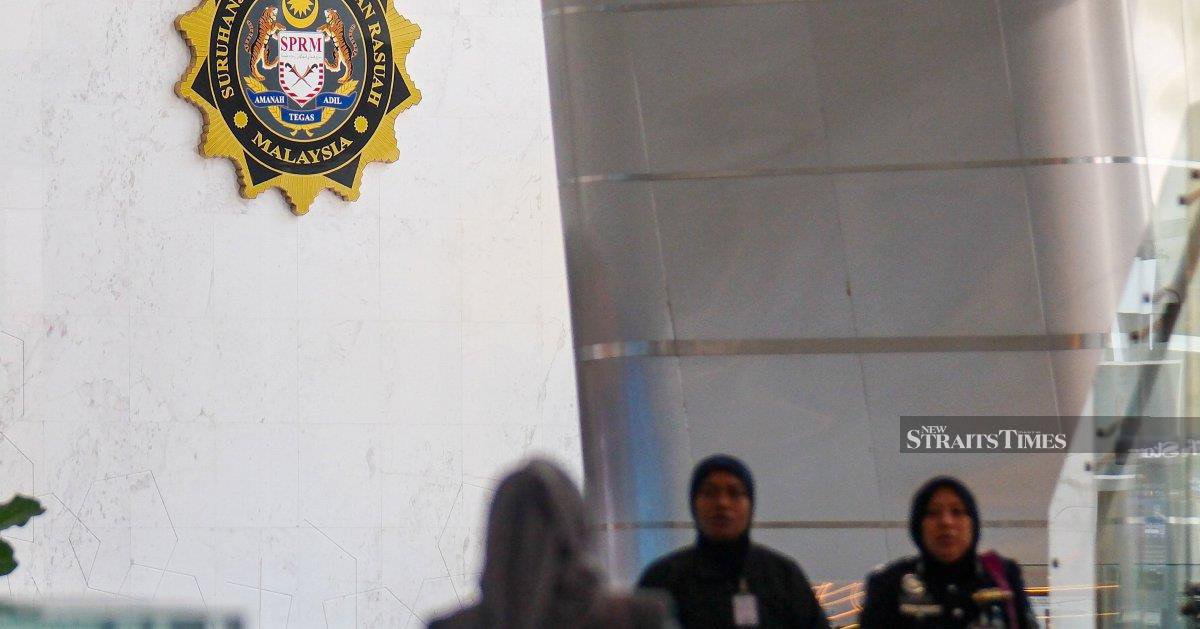
The Malaysian Anti-Corruption Commission (MACC) has expanded its dragnet in the ongoing investigation surrounding the Royal Commission of Inquiry into Tabung Haji, announcing the arrest of three additional individuals connected to alleged misappropriation involving roughly RM450,000 in Notice of Penalty charges. The latest detention marks a significant escalation in the probe, signalling the anti-graft agency's determination to pursue multiple threads of inquiry stemming from the findings and recommendations of the RCI.
Tabung Haji, Malaysia's Islamic pilgrimage fund and one of the country's oldest financial institutions managing the savings of millions of Muslim Malaysians, has faced intense scrutiny following the RCI's investigation into governance failures and financial irregularities. The Notice of Penalty mechanism, typically used as a regulatory tool, has emerged as a focal point of the current investigation, with authorities examining whether the charges were properly assessed or if procedures were circumvented. The RM450,000 figure represents a substantial amount and suggests systematic concerns rather than isolated incidents.
The RCI itself was established to examine governance and management concerns at Tabung Haji, particularly following public revelations about investment losses and internal control deficiencies. That inquiry's findings have provided the evidentiary foundation for MACC's subsequent criminal investigations, creating a two-tiered accountability mechanism—the administrative findings of the RCI combined with law enforcement action through the anti-corruption agency. This dual approach reflects the seriousness with which authorities view the matters uncovered.
For Malaysian savers and pilgrims who depend on Tabung Haji for their Hajj financing and retirement savings, these developments carry significant implications. Public confidence in the institution depends heavily on transparent governance and the swift resolution of allegations. The arrests signal that authorities are taking accountability seriously, yet the ongoing nature of investigations also highlights the complexity of unraveling what may constitute systemic weaknesses in oversight and control mechanisms that permitted such situations to develop.
The Notice of Penalty process itself warrants closer examination in light of these developments. As a regulatory tool, NOP charges should follow established procedures with proper documentation, authorisation, and justification. If irregularities are confirmed in how these notices were issued or processed, it raises broader questions about internal audit functions and the effectiveness of checks and balances within Tabung Haji's administrative structure during the relevant period.
From a regional perspective, the Tabung Haji situation reflects challenges that Islamic financial institutions across Southeast Asia face in maintaining governance standards while managing substantial assets on behalf of retail depositors and pilgrims. Malaysia's willingness to investigate and prosecute suspected infractions, even involving established institutions, demonstrates a commitment to the rule of law that extends across all sectors regardless of institutional prestige or historical importance.
The MACC's expanded investigation also underscores the commission's capacity to pursue complex financial investigations. Unravelling alleged misappropriation involving notice of penalty mechanisms requires forensic examination of administrative records, authorisation chains, and potential collusion between individuals at different organisational levels. The arrest of multiple individuals suggests investigators have identified coordinated action rather than isolated errors, which carries more serious criminal implications.
Previous scrutiny of Tabung Haji has revealed investment losses running into billions of ringgit, prompting management overhauls and governance restructuring. These current arrests address a different layer of concern—the integrity of internal administrative processes and the conduct of individuals tasked with implementing those processes. Together, the various investigations paint a picture of an institution requiring comprehensive reform to restore depositor confidence and ensure future compliance.
The broader context includes Malaysia's ongoing efforts to strengthen anti-corruption enforcement and corporate accountability. International ratings agencies and governance watchdogs monitor such cases closely as indicators of institutional commitment to combating financial crime. MACC's persistence in pursuing the Tabung Haji matter, despite the institution's prominence and the complexity involved, demonstrates an institutional will to follow investigations wherever evidence leads.
Moving forward, the cases against the arrested individuals will proceed through Malaysia's criminal justice system, with outcomes likely to influence how Tabung Haji and other Islamic financial institutions structure their internal controls and accountability mechanisms. Whether the Notice of Penalty charges involved administrative oversights, abuse of discretionary authority, or deliberate circumvention of procedures will ultimately determine the legal characterisation and sentencing considerations.
The investigation also carries implications for Tabung Haji's ongoing institutional rehabilitation. Current management and the board must demonstrate that systemic reforms address not only investment strategy but also the integrity of administrative and compliance functions. The arrests suggest that individuals, not merely systems, bear accountability for alleged breaches—a crucial element of effective institutional reform and future credibility restoration among the millions of Malaysians who entrust their savings to the organisation.

