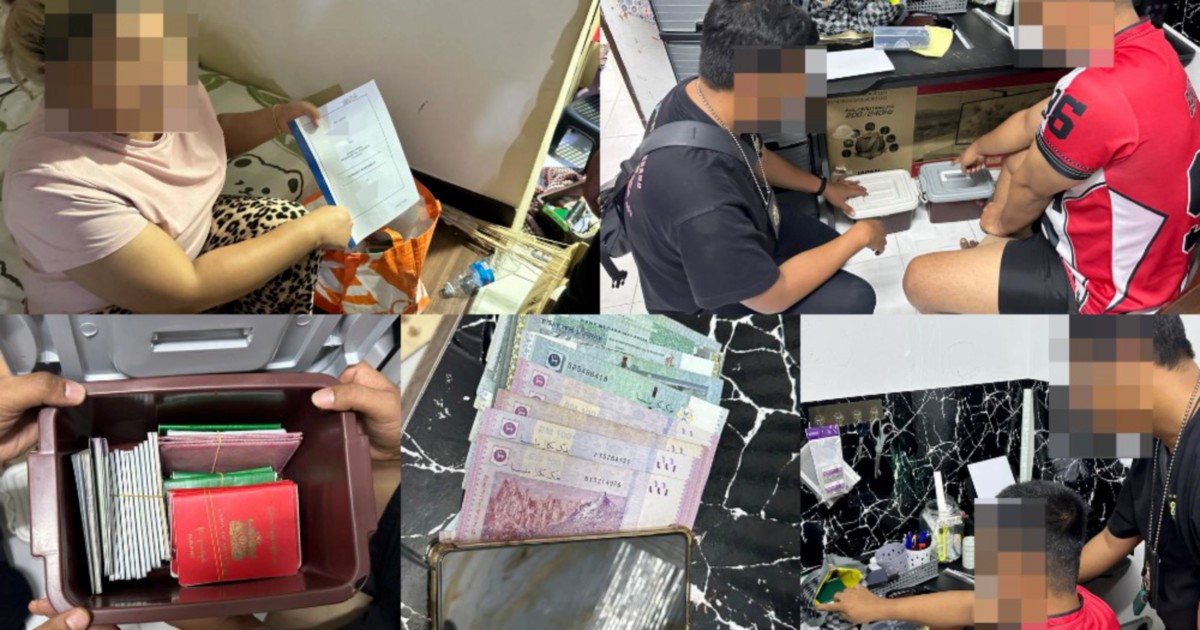
Law enforcement has dealt a significant blow to organised immigration crime in the Klang Valley, with the Malaysian Immigration Department announcing the arrest of three suspects including the alleged mastermind steering a clandestine passport forgery operation from within Kuala Lumpur. According to Datuk Zakaria Shaaban, the department's director-general, the coordinated operations represent a major breakthrough in disrupting illicit travel document networks that pose security risks to the nation's borders and immigration integrity.
The detention of the syndicate's purported head marks an escalation in immigration enforcement targeting document falsification rings, which have become increasingly sophisticated in recent years. Such operations threaten Malaysia's ability to maintain secure travel systems and expose vulnerabilities in identity verification protocols. The mastermind's capture suggests intelligence agencies had been tracking the network's activities methodically before moving to arrest suspects simultaneously, a tactical approach designed to prevent evidence destruction and halt ongoing criminal operations before they could adapt to law enforcement attention.
Passport forging syndicates typically operate through layered networks involving document production specialists, corrupt officials or officials with access to necessary materials, and intermediaries connecting clients to the organisation. The three-person arrest indicates authorities may have dismantled at least the operational core of this particular ring, though investigating officers will likely probe deeper connections to determine whether higher-ranking participants or international trafficking connections existed. Such investigations commonly reveal that individual syndicates serve as nodes within larger regional or transnational networks.
The implications for Southeast Asian immigration security extend beyond Malaysia's borders. Document forgery networks frequently operate across multiple jurisdictions, with counterfeit Malaysian passports potentially circulating through migration routes spanning Thailand, Indonesia, Singapore, and beyond. The regional integration of supply chains and labour movements creates opportunities for fraudulent documents to be deployed across the Association of Southeast Asian Nations, complicating border enforcement and enabling irregular migration linked to human trafficking concerns.
Counterfeit travel documents represent a multifaceted threat to national security and public safety. Beyond enabling unauthorised migration, forged passports facilitate money laundering, weapons trafficking, and terrorist financing. Individuals with criminal histories can evade detection by assuming false identities, while security threats may operate under fabricated documentation that obscures their actual backgrounds and intentions. The Immigration Department's prioritisation of such cases reflects international best practice and commitment to maintaining documentary integrity.
Malaysia's approach to combating document fraud has evolved considerably, incorporating biometric verification systems, digital security features embedded in modern passports, and intelligence sharing protocols with regional partners. However, sophisticated forging operations continue to challenge authorities, particularly when they exploit gaps between Malaysia's border controls and those of neighbouring nations. The arrests indicate that despite technological investments, human intelligence and investigation remain critical components of effective enforcement.
The broader context of Malaysia's immigration challenges includes not only fraudulent documentation but also visa overstays, undocumented entry, and irregular employment. The passport forgery network represents one dimension of irregular migration pressures affecting the country, which hosts significant migrant worker populations and serves as a transit point for persons moving between regional destinations. Disrupting supply chains for fraudulent documents removes tools that traffickers and smugglers employ to move vulnerable populations or facilitate irregular employment.
Investigating authorities will scrutinise the syndicate's operational methods, client networks, and sources of raw materials used in document production. Determining whether they obtained supplies through theft, corruption of government officials, or illegal manufacturing will inform remedial measures necessary to prevent similar operations from reconstituting. The arrests provide an opportunity for the Immigration Department to reinforce security protocols surrounding passport issuance, blank document storage, and personnel vetting.
The department has indicated it continues investigating the case, suggesting that additional arrests or charges may follow. Prosecuting the alleged mastermind and associates will require demonstrating their roles in manufacturing, distributing, and profiting from counterfeit documents. Malaysian courts have established precedent for imposing substantial sentences on document fraud perpetrators, particularly those occupying leadership roles within criminal organisations.
Stakeholders including the Home Ministry, Malaysian Police, Customs Department, and regional law enforcement agencies likely collaborated on the operation, reflecting the coordinated approach increasingly adopted for combating organised immigration crime. International cooperation through INTERPOL and bilateral agreements with neighbouring countries provides additional investigative tools, enabling authorities to trace document distribution networks and identify overseas recipients or distributors.
For ordinary Malaysians, the operation underscores the importance of protecting personal identification documents and remaining cautious about unofficial channels claiming to expedite travel documentation. Legitimate passport applications proceed through official Immigration Department channels with clearly defined timelines and fees. The arrests serve as a reminder that engagement with forged document providers carries serious legal consequences, including substantial prison sentences and permanent criminal records affecting future employment and travel privileges.
The Immigration Department has signalled its determination to maintain documentary security as border control frameworks modernise. Emerging technologies including blockchain-verified identity systems and enhanced biometric scanning offer potential solutions to counterfeiting challenges, though their implementation remains gradual. The dismantling of this Kuala Lumpur-based syndicate provides breathing room for authorities to strengthen systems before criminal networks develop countermeasures to enhanced security features.

