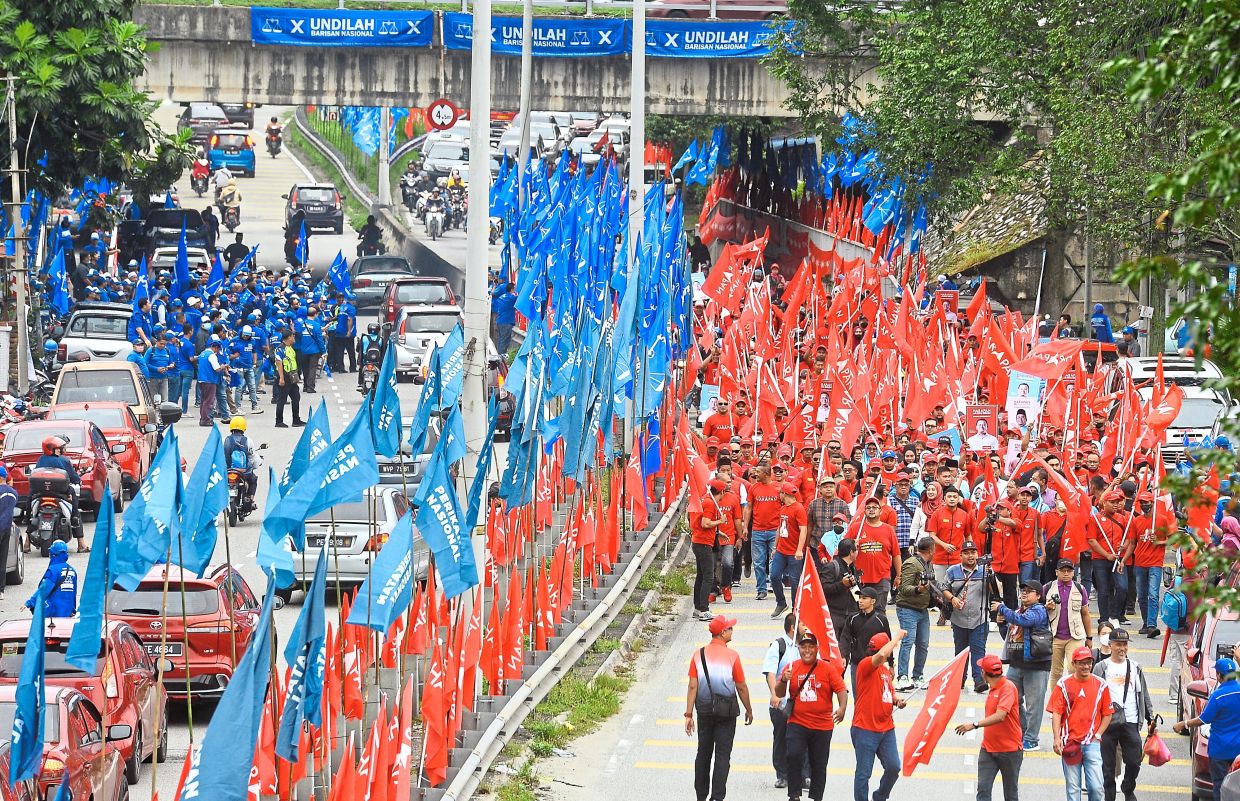
The prospect of electoral contests transforms the emotional landscape for political figures across Malaysia. Candidates facing nomination uncertainty for the 2026 state elections in Johor and Negri Sembilan experience acute psychological strain as party mechanisms determine who will represent constituencies. For those who have successfully navigated the nomination hurdle, a different anxious calculus emerges—the existential question of whether their established political standing will translate into voter endorsement, a concern that weighs most heavily on incumbent politicians and leaders accustomed to holding power.
Beyond the question of electoral victory looms a deeper fear for some politicians: the prospect of comprehensive personal and professional collapse. Losing an election can mean forfeiting not merely a seat but also face within communities, derailing decades-long political trajectories and severing networks built across years of public service. This psychological cocktail intensifies during campaign periods when sleep deprivation, physical exhaustion and emotional irritability become occupational hazards. The human cost manifests in strained family relationships, compromised decision-making and deteriorating physical well-being among those seeking public office.
Social media amplifies these pressures exponentially. Unverified rumours and malicious character attacks circulate rapidly across digital platforms, designed to undermine candidates through reputation damage. These narratives, often sensationalised for engagement, compound the psychological burden that candidates already carry. Despite these formidable challenges, Malaysian politicians have demonstrated remarkable resilience, consistently mustering energy and determination even when facing unfavourable odds and substantial headwinds.
Yet the emotional turbulence extends far beyond the political class. Ordinary Malaysians experience measurable stress during election periods, heightened further by the rumoured proximity of national general elections. Intensive media coverage, workplace discussions and social media debates create a pervasive political atmosphere that invades domestic spaces and professional relationships. The current fragmentation of Malaysia's political landscape—characterised by expanding party numbers, complex coalition arrangements and evolving strategic alliances—generates voter confusion and psychological unease about decision-making at the ballot box.
When political affiliation becomes intertwined with personal identity, electoral competition transforms into something more visceral. Policy disagreements cease being abstract intellectual exercises and instead feel like personal rejection or betrayal. Voters whose preferred parties fail to secure victory often experience genuine distress and insecurity about political futures, triggering anxiety that persists beyond polling day. This dynamic creates a corrosive campaign environment where negativity and bitterness dominate discourse, amplified relentlessly by news organisations and social platforms seeking audience engagement.
The psychological consequences manifest in observable behavioural changes. People become more reactive, defensiveness heightens, irritability increases and some withdraw socially. Relationships strain under the weight of political disagreement. Fortunately, Malaysia's political culture demonstrates a distinctive capacity for rapid emotional recovery. Once votes are cast, animosity dissipates with remarkable speed, and even bitter rivals exchange warm greetings within days, suggesting a fundamental pragmatism underlying Malaysian electoral competition that prevents permanent relationship damage.
Election anxiety operates through identifiable physiological mechanisms. Stress triggers the autonomic nervous system, releasing adrenaline and cortisol—hormones that prepare the body for threat responses. Excessive adrenaline increases cardiovascular risk, elevating chances of heart attacks and strokes among vulnerable populations. Elevated cortisol wreaks metabolic havoc, destabilising blood sugar regulation, weakening immune system function and restricting blood vessel diameter, collectively degrading physical health. The brain's amygdala—almond-shaped structures governing sensory processing, emotional memory, decision-making and mood regulation—becomes hyperresponsive during high-stress periods, generating disproportionate or irrational emotional reactions to ordinary stimuli.
While Malaysia lacks robust empirical research specifically examining election anxiety, international evidence provides instructive parallels. Britain's 2019 general election generated sufficient mental health concerns that the British Association for Counselling and Psychotherapy documented one-third of respondents reporting measurable negative impacts on psychological well-being, driven primarily by uncertainty regarding post-election government policies. American research conducted one year before the 2024 presidential election revealed that fifty-six percent of adult respondents identified elections as significant life stressors. This consistency across different political systems and cultures suggests election anxiety represents a nearly universal psychological phenomenon accompanying competitive democratic processes.
Personality characteristics and historical political experience substantially shape how individuals respond emotionally to electoral cycles. Voter psychology during elections operates through multiple emotional registers simultaneously. Many registered voters approach polling day with genuine enthusiasm, motivated by feelings of civic responsibility and gratitude toward incumbents or candidates they support. These voters often arrive at their electoral decisions after extended deliberation spanning months, carefully weighing policy positions, political philosophy and ideological compatibility. Their vote represents considered judgment rather than impulsive reaction.
Understanding the multifaceted psychological dimensions of electoral processes has practical implications for Malaysian society. Electoral cycles will inevitably trigger stress responses across the population, yet Malaysian communities have demonstrated cultural capacity to manage these tensions constructively. Political parties might consider moderating campaign rhetoric to reduce psychological burden on voters. Media organisations could provide more balanced coverage reducing sensationalism and anxiety-inducing speculation. Employers and educational institutions might offer mental health support services recognizing that election periods constitute high-stress intervals affecting employee productivity and student well-being. Healthcare providers should remain alert to stress-related conditions intensifying during campaign seasons.
The approaching state elections in Johor and Negri Sembilan, coupled with anticipated national elections in the medium term, will inevitably activate these psychological mechanisms across Malaysian society. Candidates will experience intense personal anxiety regarding their political futures. Voters will navigate complex emotional terrain while making consequential decisions. Relationships will experience strain as political disagreements take on heightened emotional significance. Recognising these dynamics not as isolated individual experiences but as predictable collective phenomena can help Malaysian society develop more compassionate responses to electoral stress while preserving the democratic integrity and inclusive political culture that characterises the nation's democratic practice.

