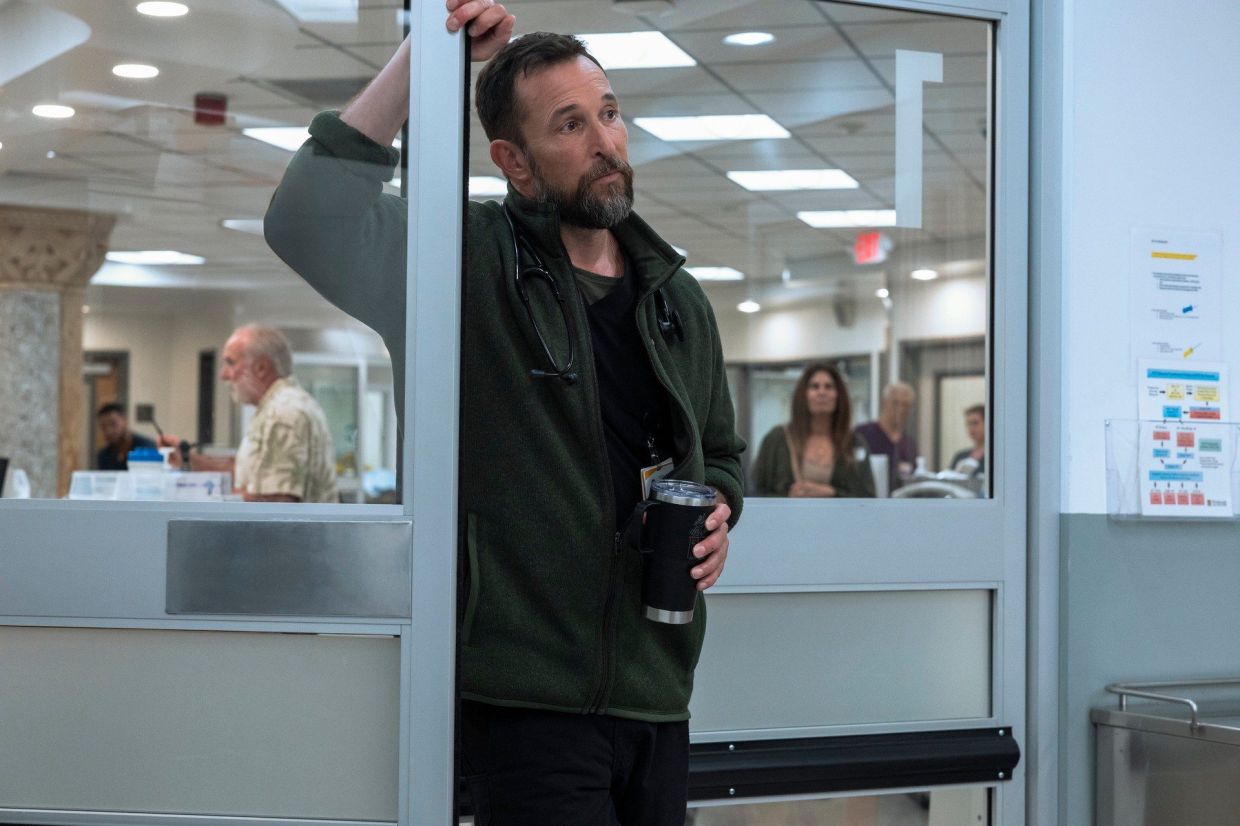
The race for television's highest honour has crystallised around two HBO Max productions that embody the shifting landscape of small-screen storytelling. When Emmy nomination ballots closed on July 8, The Pitt—a gritty medical drama depicting the chaotic workings of a Pittsburgh emergency room—emerged as the heavyweight contender with 25 nominations, whilst the fifth and concluding season of Hacks, an acerbic comedy exploring the partnership between a veteran stand-up comedian and her millennial assistant, secured 24 nominations. The parallel success of these two shows provides HBO Max with a commanding presence in the race, which culminates in the ceremony on September 14 in Los Angeles, hosted by Mariska Hargitay of Law And Order: SVU.
The Pitt has captured attention through its distinctive narrative structure—each episode unfolds in real time, echoing the urgency of ER whilst borrowing the serialised intensity of 24. Yet what has truly distinguished the programme is its willingness to confront contemporary social fractures with dramatic weight. The show tackles abortion rights, immigration enforcement, and mass violence not as background detail but as central moral dilemmas shaping the lives of hospital staff and patients alike. Beginning modestly, the drama became a cultural phenomenon through word-of-mouth momentum, demonstrating that prestige television audiences remain hungry for narratives that grapple with the fractured world beyond the screen. Noah Wyle, who gained initial prominence on ER decades earlier, has parlayed his starring role into multiple awards, including an Emmy, and enters this cycle as a leading contender for best drama actor.
The Pitt's nomination haul positions it squarely against other substantial competitors within the drama category. Pluribus, a creation of Vince Gilligan whose Breaking Bad redefined serialised drama, arrives with 18 nominations. The Apple TV production envisions a post-apocalyptic scenario in which an alien virus has infected the majority of humanity, transforming survivors into a benign collective consciousness—with only 13 immune individuals representing the last vestige of individuality. Rhea Seehorn anchors the cast and carries early momentum as a favourite for best drama actress, having already claimed both a Golden Globe and Critics Choice Award this year. The remaining drama contenders include Keri Russell's political melodrama The Diplomat, the espionage thriller Slow Horses, and A Knight Of The Seven Kingdoms, which extends the Game Of Thrones universe into new temporal and narrative terrain.
On the comedy side, the competitive landscape reflects a tension between established quality and emergent novelty. Hacks continues its run of accolades following the series' 2025 Emmy victories for Seth Rogen's Hollywood satire The Studio. Jean Smart, who has accumulated four Emmy awards for her portrayal of the acerbic Deborah Vance, returns as a nominee, as does Hannah Einbinder, who secured her maiden Emmy nomination in 2025. The show's premise—a veteran performer attempting professional resurgence with the support of a younger, idealistic assistant—resonates because it captures generational tensions whilst exploring the precarity of creative careers in contemporary entertainment. The dynamic between Smart's cutting worldliness and Einbinder's earnest naivety generates both comedy and unexpected pathos.
Yet Hacks now faces stiff competition from Apple TV's Widow's Bay, a horror-comedy that has crystallised significant acclaim in its inaugural season. The programme garnered 19 nominations overall, positioning it as the third most-nominated series across all categories. Matthew Rhys plays an eccentric New England mayor endeavouring to revitalise his economically struggling island community by marketing its purported supernatural reputation as a tourist attraction. The show's willingness to blend genre elements—oscillating between genuine scares and absurdist humour—has proven appealing to voters seeking innovation within the comedy framework. The field remains competitive, with Apple TV's Shrinking, which pairs Jason Segel and Harrison Ford as therapists navigating personal and professional challenges, and the concluding season of The Bear, a darkly satirical examination of the Chicago restaurant world, both capturing significant attention.
The Bear's position warrants particular scrutiny. The series has accumulated 21 Emmy awards in previous years, including two for star Jeremy Allen White, yet curiously he has been excluded from this cycle's nominations. This omission signals neither decline nor controversy but rather reflects the competitive density of the comedy-drama category and the challenge of maintaining momentum across multiple seasons. The programme's exploration of culinary ambition, familial obligation, and class anxiety continues to resonate, though perhaps the voters have shifted their focus toward other narratives.
Within the limited series category, Netflix's Beef emerged as the dominant force, securing 16 nominations. The anthology drama, in its second iteration, features Oscar Isaac and Carey Mulligan in roles exploring the explosive interpersonal dynamics between two couples. The programme's appeal lies partly in its star power and partly in its unflinching examination of urban alienation and suppressed rage. Also competing is Love Story: John F. Kennedy Jr And Carolyn Bessette, which attracted six nominations alongside considerable public interest fuelled by controversy surrounding its revisitation of the couple's romance and tragic deaths. The drama generated both cultural conversation and viewership through its engagement with an enduring American tragedy, demonstrating that nostalgia and historical retelling remain potent draws for television audiences.
The concentration of nominations among streaming platforms reflects the fundamental transformation of television economics and cultural production. HBO Max, Netflix, and Apple TV collectively dominate the field, signalling that traditional broadcast networks have ceded ground in the pursuit of prestige and critical acclaim. This shift has implications extending beyond Hollywood—it indicates where advertising investment flows, which storytelling traditions gain support, and whose narratives achieve cultural prominence. For Malaysian audiences observing global television trends, this concentration represents the continued consolidation of content creation within American streaming ecosystems, even as local productions struggle for international recognition and distribution.
The September 14 ceremony will confirm these trajectories whilst potentially introducing surprises. Emmy voters have historically demonstrated willingness to recognise unexpected contenders, and the breadth of quality across competing programmes suggests that predicting outcomes remains genuinely uncertain. Yet the dominance of The Pitt and Hacks at the nomination stage already signals that television in this era continues its exploration of fractured contemporary life—whether through the emergency room's collision of human vulnerability and institutional constraints, or through the comedy of generational misunderstanding and professional survival.

