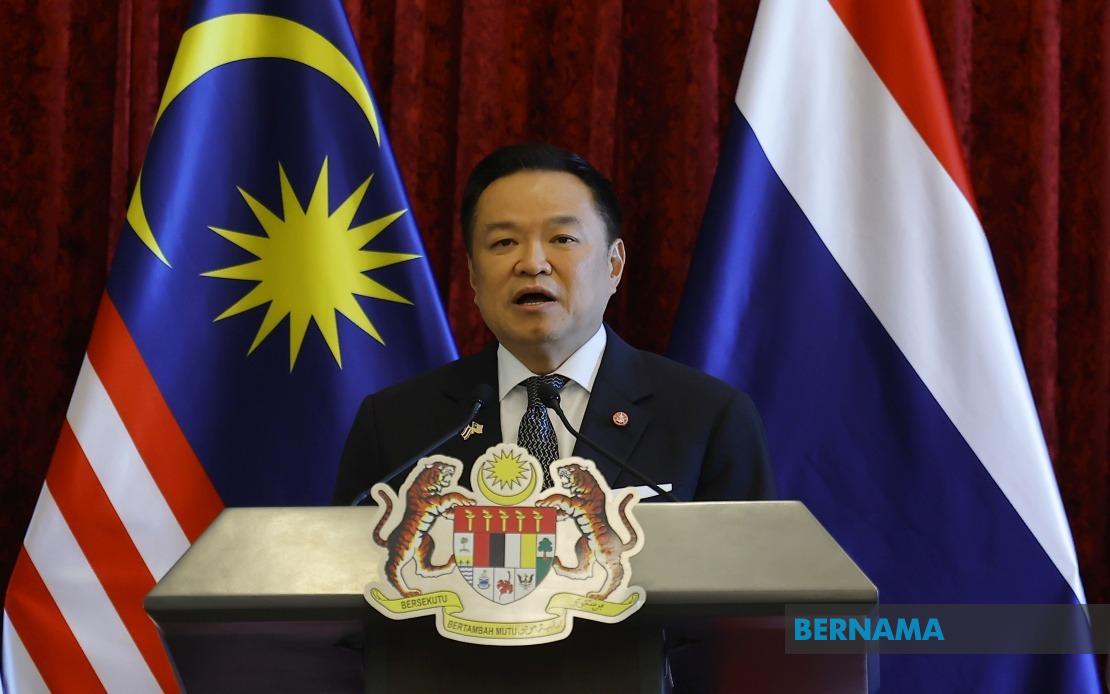
Thai Prime Minister Anutin Charnvirakul has underscored his administration's unwavering focus on resolving the longstanding conflict in Thailand's southern border provinces, citing it as a cornerstone objective for national development and regional stability. During a joint press conference held in Putrajaya with Malaysian Prime Minister Datuk Seri Anwar Ibrahim, Anutin outlined the necessity of addressing the multifaceted challenges confronting communities in the restive southern provinces, signalling that ending the cycle of violence remains integral to Thailand's broader governance agenda.
The Thai leader characterised the relationship between peace and development as mutually reinforcing, observing that the establishment of stable conditions creates the foundation upon which economic progress and social advancement can flourish. Conversely, he noted that genuine development initiatives—encompassing infrastructure, education, and livelihood opportunities—serve as tangible mechanisms through which communities can transcend conflict and embrace a shared vision of prosperity. This framing reflects a nuanced understanding of conflict dynamics in border regions, where grievances rooted in marginalisation and economic disparities often fuel insurgent activity.
Acknowledging Malaysia's pivotal diplomatic role, Anutin expressed formal gratitude for Kuala Lumpur's commitment to facilitating dialogue between the Thai government and various stakeholders involved in the southern Thailand peace process. Malaysia's position as an honest broker carries considerable weight in regional security architecture, given its own experience navigating communal tensions and its standing within ASEAN as a trusted mediator. The appointment of Datuk Mohd Rabin Basir, a seasoned national security official who formerly headed Malaysia's National Security Council, as the lead Malaysian negotiator underscores the seriousness with which the neighbouring nation approaches this mediation mandate. Basir assumed his position on July 1, 2024, bringing extensive experience in complex security negotiations and institutional reform.
Thailand's negotiating team, headed by Thanat Suwannanont, the director of the National Intelligence Agency, similarly reflects the technical expertise required to navigate sensitive discussions involving the Barisan Revolusi Nasional and other armed groups operating in Pattani, Yala, and Narathiwat provinces. The involvement of intelligence officials in diplomatic roles signals recognition that resolving this conflict demands both security-minded pragmatism and sophisticated understanding of underground networks and grievance structures. The participation of the BRN—one of the primary insurgent organisations active in the region—in structured peace talks represents a significant development, though progress remains incremental given the fragmented nature of separatist movements and competing visions for the region's future.
Anwar's reciprocal assurances that Malaysia categorically rejects violence and remains committed to cooperating with Thailand in apprehending those responsible for cross-border attacks reinforce the bilateral security architecture underpinning regional stability. Malaysia's willingness to employ its law enforcement and intelligence apparatus against transnational militant activity reflects both a commitment to international norms and recognition that instability in Thailand's south inevitably reverberates across the border, affecting Malaysian communities and stretching already-constrained security resources. The extradition and prosecution frameworks between the two nations provide legal pathways for addressing accountability while maintaining the diplomatic flexibility necessary for broader peace processes.
For Malaysian observers, Thailand's southernisation challenge carries direct implications. The spillover effects of unresolved conflict—including refugee flows, cross-border militant activity, and the smuggling of weapons and narcotics through the Malay Peninsula—create tangible security burdens for Malaysian authorities. Border communities in Kedah, Perlis, and Kelantan experience the consequences of instability across the frontier, from occasional incursions to disrupted trade and commerce. Malaysia's diplomatic involvement thus serves dual purposes: advancing regional peace norms while simultaneously protecting its own territorial integrity and social cohesion.
The peace process itself remains complex and multifaceted, involving not merely government-to-government engagement but intricate negotiations with armed groups whose internal hierarchies and ideological commitments vary considerably. Some factions prioritise separatist independence, others seek enhanced autonomy within Thailand, and still others remain committed to armed struggle as the primary vehicle for political change. The psychological toll of decades of violence—including indiscriminate bombings, extrajudicial killings, and mass displacement—has deepened communal wounds and created competing narratives about historical injustice that complicate reconciliation efforts.
Thailand's commitment to addressing root causes of insurgency, particularly concerning the socioeconomic marginalisation and cultural grievances of the Malay-Muslim population in the south, remains essential to any durable settlement. Infrastructure development, educational expansion, and inclusive governance frameworks addressing minority rights concerns must accompany security operations if sustainable peace is to take hold. The Thai government's capacity to balance these imperatives—maintaining national security while demonstrating genuine commitment to transformative development—will largely determine whether the current dialogue process yields substantive breakthroughs or merely provides temporary respite from active violence.
From a broader Southeast Asian perspective, the Thailand-Malaysia cooperation model demonstrates how bilateral engagement on transnational security challenges can coexist with diplomatic mediation and peace facilitation. The region faces mounting pressures from transnational terrorism, resource competition, and great power rivalry, making such collaborative frameworks increasingly valuable. The success or failure of the Southern Thailand peace process will offer important lessons regarding conflict resolution methodologies applicable to other protracted disputes within ASEAN member states.
The joint commitment articulated by both prime ministers represents an opportunity to shift the southern Thailand narrative from one dominated by cyclical violence toward one emphasising incremental progress toward sustainable solutions. However, the persistence of armed groups with competing objectives, the deeply rooted historical grievances of affected communities, and the political economy of conflict actors who benefit from instability all suggest that genuine resolution will require sustained patience, substantial resource commitments, and willingness from all stakeholders to make difficult compromises. The frameworks being established—with Malaysia's facilitating role and the engagement of senior Thai and Malaysian officials—at least provide structured spaces within which such conversations can occur.

