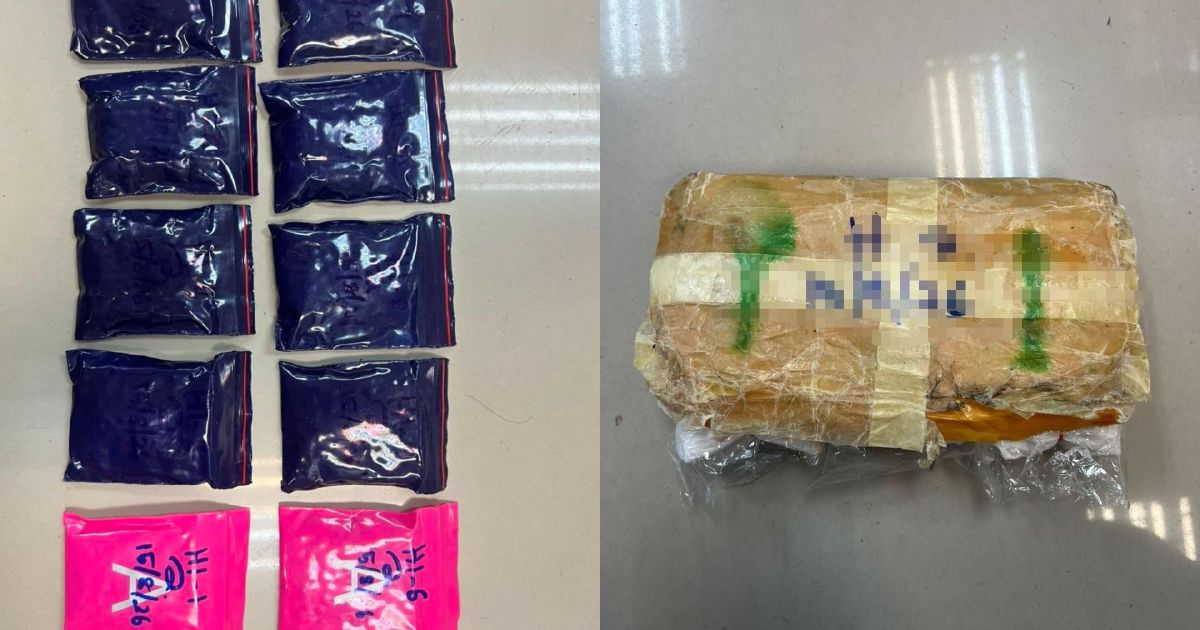
Authorities in Kelantan have made a significant drug seizure after apprehending a 45-year-old Thai national during a targeted operation in the Pasir Mas district. The arrest, conducted in Kampung Rahmat near the Rantau Panjang border area, yielded one of the larger hauls of yaba tablets in recent months for the region. Police officers confiscated approximately 6,000 tablets of the methamphetamine-based drug, which carry a street value of around RM60,000.
The operation represents part of ongoing law enforcement efforts to combat drug trafficking along Malaysia's northeastern border with Thailand. Pasir Mas, strategically positioned near the Rantau Panjang border crossing, has long been identified as a vulnerable entry point for illicit substances flowing into the country. The prevalence of yaba trafficking through this corridor reflects broader patterns of drug movement across the porous Malaysia-Thailand frontier, where organised criminal networks continuously attempt to exploit gaps in border security.
Yaba, commonly known on the streets as "crazy medicine," consists of methamphetamine tablets often mixed with caffeine and other stimulants. The drug has become increasingly prevalent throughout Southeast Asia, particularly in Thailand, Myanmar, and Malaysia, driving significant public health and law enforcement challenges. Users typically swallow or smoke the tablets, with effects resembling those of crystal methamphetamine but often considered more potent and unpredictable. The substance's affordability compared to other stimulants makes it particularly attractive to younger demographics and lower-income communities.
The RM60,000 valuation attached to this seizure underscores the substantial profit margins driving yaba smuggling operations. Criminal syndicates view the drug as a lucrative commodity, with wholesale costs substantially lower in Thailand and Myanmar compared to retail street prices in Malaysia. This economic incentive structure has spawned sophisticated smuggling networks that employ couriers, recruiters, and distributors to move the product through established trafficking routes.
Kelantan's position as a major transit zone for narcotics has resulted in intensified police operations across multiple districts. Authorities have implemented checkpoints, increased patrols in border communities, and enhanced intelligence-gathering efforts targeting suspected trafficking networks. Despite these interventions, the volume of drugs intercepted suggests that significant quantities continue to penetrate Malaysian borders undetected, indicating the scale of the smuggling problem and the challenges faced by law enforcement agencies.
The arrest of this Thai national adds to a pattern of cross-border drug trafficking arrests involving foreign nationals. Many yaba couriers are recruited from Thailand and Myanmar, either through coercion or financial incentives, to transport drugs across the border. The use of foreign nationals as mules offers trafficking organisations operational advantages, including potential legal complications and complications in prosecution that may provide temporary advantages to criminal networks.
Border communities in Kelantan have become increasingly affected by methamphetamine abuse among local populations. Schools and health authorities have reported rising concerns regarding yaba consumption among teenagers and young adults, creating both social welfare and public health burdens. The proximity to trafficking routes and the relative ease of obtaining supply from cross-border connections have exacerbated local addiction problems in areas like Pasir Mas and surrounding municipalities.
The seizure reflects capabilities of Malaysian law enforcement in intercepting major drug consignments, yet it simultaneously highlights the persistent vulnerability of border security infrastructure. Rantau Panjang, despite being an official border checkpoint, remains an area of concern for narcotics authorities who must balance legitimate cross-border commerce with vigilance against smuggling. The operation in Kampung Rahmat, a community setting near the checkpoint, suggests intelligence-led policing identifying specific locations where trafficking activities concentrate.
Future handling of this case will involve investigation into the supplier network, potential local distributors, and the broader criminal organisation allegedly behind the shipment. Authorities typically employ drug trafficking arrests as opportunities to gather intelligence on larger syndicate operations, examining financial flows, communication patterns, and distribution chains. This intelligence can inform subsequent enforcement operations targeting higher-level organisers and trafficking infrastructure.
Regional cooperation between Malaysian, Thai, and other Southeast Asian law enforcement agencies remains essential for combating yaba trafficking. The Asean Cooperation Plan on Narcotics, while providing a framework for coordination, faces practical implementation challenges involving differing legal systems, resource constraints, and transnational criminal organisations that exploit jurisdictional boundaries. Enhanced intelligence sharing and joint enforcement operations have proven effective in past initiatives, suggesting that sustained bilateral and multilateral efforts remain the most promising approaches for addressing cross-border drug trafficking.
The incident underscores broader narcotics control challenges facing Malaysia as drug trafficking organisations adapt strategies, employ new routes, and develop resilience against enforcement operations. Addressing this persistent threat requires sustained investment in border security, community-level intervention programmes targeting demand reduction, and international cooperation frameworks that strengthen law enforcement capacity across the region.

