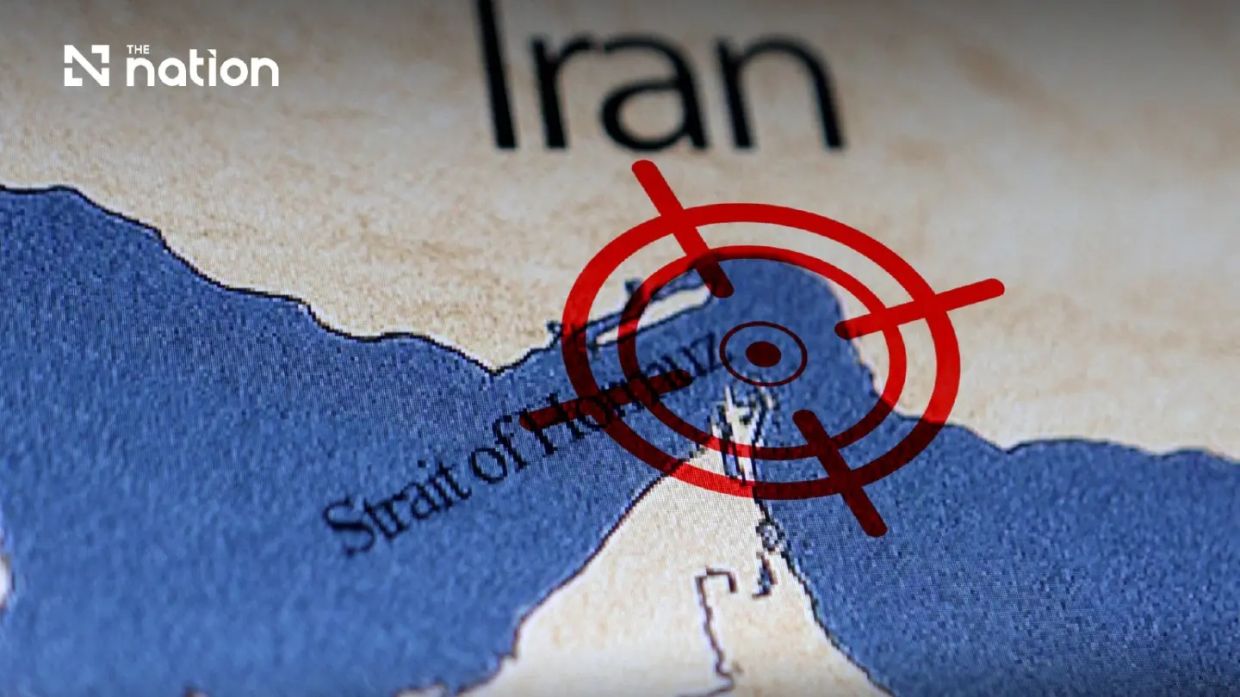
A vessel flying the Thai flag came under attack in the Strait of Hormuz, according to reports from Iranian media outlets, marking a dangerous escalation in confrontations that have transformed the strategic waterway into a increasingly hazardous zone for commercial shipping. The semi-official Tasnim news agency confirmed the incident but provided limited details, withholding information about the ship's ownership, cargo, destination, or the nationality of personnel aboard. Neither Thai authorities nor maritime organisations have independently verified the attack, leaving considerable uncertainty about whether the vessel sustained damage or crew members faced injury.
The reported assault on the Thai-registered vessel arrives against a backdrop of intensifying military operations across the Persian Gulf region. Iran's armed forces have issued multiple warnings to shipping companies, insisting they adhere to naval notices issued by Iranian military authorities. The situation has become increasingly volatile as the Islamic Revolutionary Guard Corps Navy describes the waterway as "extremely unsafe" and claims it has become completely closed due to what Tehran characterises as American military aggression in the region.
Beyond the single reported attack on the Thai-flagged ship, Iranian media has documented additional maritime incidents that underscore the deteriorating security environment. Two oil tankers allegedly caught fire following explosions as they attempted navigation through areas described by Iranian sources as minefields in the southern Strait of Hormuz. The IRGC Navy simultaneously claimed responsibility for intercepting four separate oil tankers that were purportedly attempting passage with United States military support, asserting that the vessels were ordered to halt their movement during what Iranian sources describe as a coordinated missile and drone operation.
The maritime disruptions carry profound implications for global energy markets and international commerce. The Strait of Hormuz represents one of the world's most critical energy corridors, with vast quantities of oil and natural gas transiting through its waters daily. Any prolonged interruption to shipping traffic in this waterway would trigger cascading economic consequences, including elevated freight charges, increased insurance premiums, supply disruptions for energy-dependent economies, and fluctuations in global commodity pricing. For Southeast Asian nations with substantial energy imports and trading relationships dependent on this route, such disruptions pose direct economic risks.
The maritime tensions have developed in parallel with intensifying military strikes by American forces. The United States Central Command announced completion of a seventh consecutive night of military operations against Iranian targets beginning Friday evening at 7pm GMT, or 3pm Eastern Standard Time. American military commanders stated that the latest air campaign aimed to "continue degrading Iran's military capabilities," though CENTCOM provided limited disclosure regarding specific targets or comprehensive damage assessments from the operations.
Iranian authorities counter that American military strikes have inflicted substantial civilian damage across southern Iranian territories. Foreign Minister Abbas Araghchi reported that three individuals died in an attack targeting a bridge in Bandar Khamir, accounting for three of an estimated eight total casualties from overnight American strikes. Additional accounts from Bushehr province officials alleged that United States forces targeted an Iranian oil tanker positioned at Kharg Island. These Iranian claims remain unverified through independent sources and rest primarily on statements from Iranian government officials and state-aligned media organisations.
Iran responded with its own retaliatory military operations throughout the Gulf region. Iranian military officials announced attacks directed against United States assets and military installations in Bahrain, Jordan, Kuwait, and Qatar. Qatari authorities reported that their armed forces successfully intercepted an incoming Iranian attack, though a child sustained injuries from falling debris resulting from the defensive interception. Iran further asserted responsibility for additional strikes targeting other American-aligned military positions across the broader region, though the actual extent of inflicted damage remains unclear and unverified.
The military escalation has generated substantial concern about potential geographic expansion of the conflict across the Persian Gulf, where multiple nations maintain American military personnel and operational facilities. The concentration of military infrastructure in relatively close proximity across multiple Gulf states creates risks that localised military exchanges could rapidly expand into a broader regional confrontation. For smaller nations with limited military capacity but significant economic interests in maintaining stable shipping lanes and energy access, such escalation presents complicated strategic challenges.
Additional military incidents have compounded regional tensions. The IRGC Navy claimed that it successfully destroyed an American MQ-9 reconnaissance drone over Bushehr, asserting that the aircraft was intercepted and eliminated by a newly developed air-defence system integrated into Iran's larger air-defence network. The United States military has not confirmed loss of an MQ-9 drone in the Bushehr area, creating uncertainty about this particular claim and reflecting broader patterns of competing assertions that characterise the current confrontation.
For Malaysian and broader Southeast Asian maritime communities, the escalating instability in the Strait of Hormuz represents a complex challenge. Beyond direct threats to vessels operating in the corridor, the situation creates uncertainty for regional economies dependent on stable energy supplies and predictable shipping costs. The convergence of multiple incidents—the reported attack on the Thai-flagged vessel, contested claims regarding tanker seizures, parallel military strikes, and air defence operations—illustrates how rapidly miscalculation or escalatory incidents could transform a regional military confrontation into a broader conflict threatening global commerce.
The strategic implications extend beyond immediate security concerns. As a crucial gateway for energy resources supplying Asian markets, disruptions to the Strait of Hormuz would reverberate through Southeast Asian economies far removed from the conflict itself. Regional policymakers face pressure to balance diplomatic efforts aimed at de-escalation while simultaneously preparing economic contingencies for potential supply disruptions. The situation underscores how geopolitical tensions in the Middle East directly affect prosperity and security planning across Asia-Pacific nations with no direct involvement in Iranian-American disputes.

