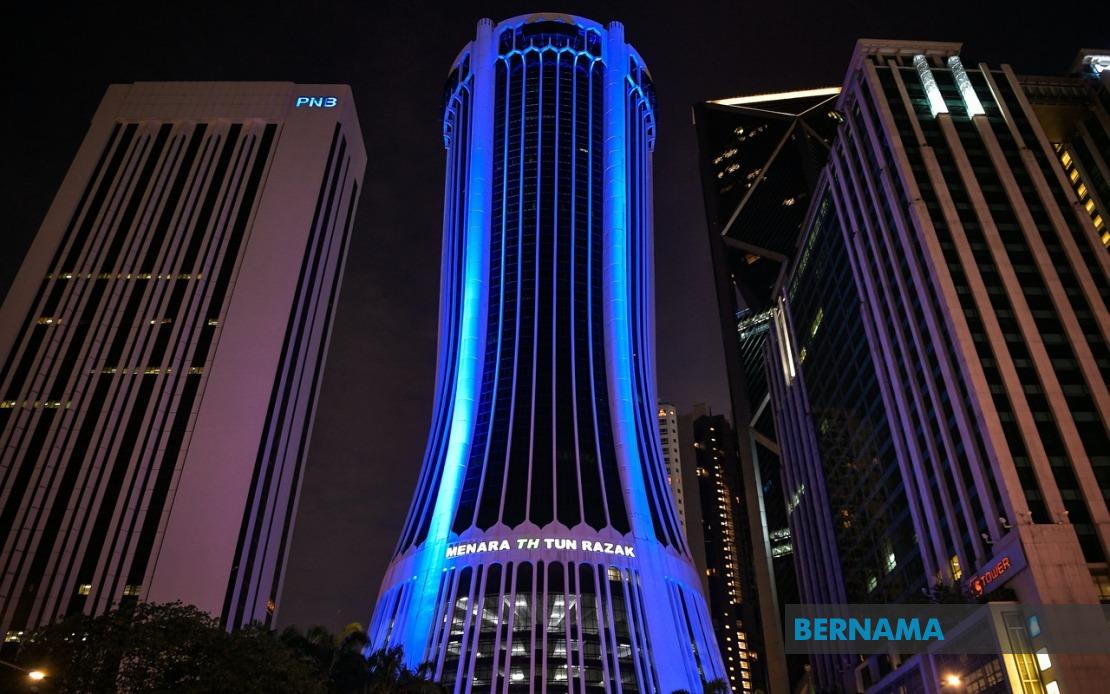
Lembaga Tabung Haji faces mounting pressure to revamp how it communicates with depositors and executes governance reforms as part of a broader effort to stabilise public confidence in Malaysia's pilgrimage fund manager. The institution has been advised by academic and financial sector experts to adopt a multi-pronged approach combining transparent messaging, digital engagement, and structural administrative changes to address weaknesses documented in a damning 2022 Royal Commission of Inquiry report.
Dr Mohd Kamarul Amree Mohd Sarkam, a senior lecturer at the Academy of Islamic Defence Studies at Universiti Pertahanan Nasional Malaysia, emphasised that TH cannot afford to remain passive in the face of public scepticism. He stressed that the organisation must leverage contemporary communication channels to demonstrate genuine commitment to reform, particularly given that the majority of its depositors fall within the millennial and Generation Z demographics who expect timely, transparent updates delivered through social media and digital platforms. The failure to engage these younger savers actively risks entrenching negative perceptions about institutional competence and financial stewardship.
Beyond tactical communication improvements, the expert called for substantive governance restructuring at TH's upper echelons. Dr Mohd Kamarul Amree advocated replacing the current leadership model—which has historically favoured politically connected appointees—with a merit-based system staffed by seasoned professionals from the private and public sectors. He argued that insulating TH from partisan influence would allow the institution to operate according to sound business principles rather than political cycles, ultimately strengthening decision-making and institutional credibility. This recommendation directly echoes criticisms raised in the RCI report, which identified mismanagement and governance lapses during the 2014 to 2020 period.
The expert also highlighted the importance of leveraging Malaysia's international standing in hajj administration. Saudi Arabia has acknowledged the professionalism and efficiency of Malaysian pilgrimage operations, a reputation that TH should actively publicise to reinforce its competence in core functions. Positioning TH as a globally respected institution managing a sensitive religious duty could serve as a counterweight to recent negative publicity and provide depositors with tangible evidence of operational excellence in at least one critical domain.
Crucially, Dr Mohd Kamarul Amree advocated for swift implementation of all 25 recommendations contained in the RCI report, including amendments to TH's governing legislation. He proposed that financial management authority be consolidated under the Ministry of Finance, thereby creating an additional layer of oversight and accountability. These legislative and structural changes are essential preconditions for meaningful reform rather than mere cosmetic adjustments.
Dr Mohd Afzanizam Abdul Rashid, chief economist at Bank Muamalat Malaysia, complemented these observations by underscoring the need for targeted public reassurance campaigns. He recommended that TH conduct district-level town hall sessions and community outreach events where management can directly address depositor concerns, clarify the institution's current financial position, and walk participants through the specifics of ongoing reforms. Such face-to-face engagement would demonstrate responsiveness and humanise the institution beyond official press statements.
Dr Mohd Afzanizam highlighted a particular challenge facing TH: widespread confusion and misinformation regarding the timing and scope of the RCI report. The inquiry concluded in 2022, yet many Malaysians appear unaware of this timeline or harbour misconceptions about the findings. This information gap has created fertile ground for rumours and speculation that undermine depositor confidence more effectively than any factual concern. TH must actively counter this narrative void by ensuring that all communications clearly distinguish between historical weaknesses and current financial status.
The Royal Commission of Inquiry report, made public on July 29, documented systematic governance failures, mismanagement of funds, and weak oversight mechanisms during the six-year period preceding the investigation. The 25 recommendations constitute a comprehensive blueprint for institutional reconstruction, addressing everything from board composition and investment practices to risk management and transparency protocols. Notably, the Dewan Rakyat convened a special sitting in mid-August to table and debate the report, signalling parliamentary attention to TH's travails and raising public expectations for concrete remedial action.
For Malaysian depositors, the stakes extend beyond financial returns. TH occupies a unique position as a Shariah-compliant savings vehicle explicitly designed to facilitate the Islamic obligation of hajj whilst generating income for a largely middle and lower-middle-class constituency. Erosion of confidence in TH represents not merely a loss of private savings but a blow to an institution that has historically enabled ordinary Malaysians to undertake one of Islam's five pillars. The institution's failure to communicate effectively about its reform trajectory risks creating a widening chasm between what management is actually doing and what depositors believe is happening.
The path forward requires TH to embrace accountability as a cultural norm rather than a compliance requirement. This means regular, substantive updates on reform implementation, clear metrics for measuring progress, and genuine responsiveness to depositor feedback. Digital platforms should serve as two-way communication channels rather than broadcast mechanisms for official announcements. Furthermore, bringing professional management and technical expertise to TH's leadership will signal to depositors and international observers alike that the institution takes governance seriously and is committed to long-term sustainability rather than short-term political advantage.
The convergence of expert opinion on these points reflects a broader consensus that TH stands at an inflection point. The institution can either accelerate implementation of the RCI recommendations and invest substantially in rebuilding public trust, or it can stumble forward with incremental adjustments whilst watching depositor confidence erode further. Given the salience of the hajj obligation in Malaysian Islamic practice and the economic importance of the savings vehicle to millions of households, the stakes justify urgent, comprehensive reform.

