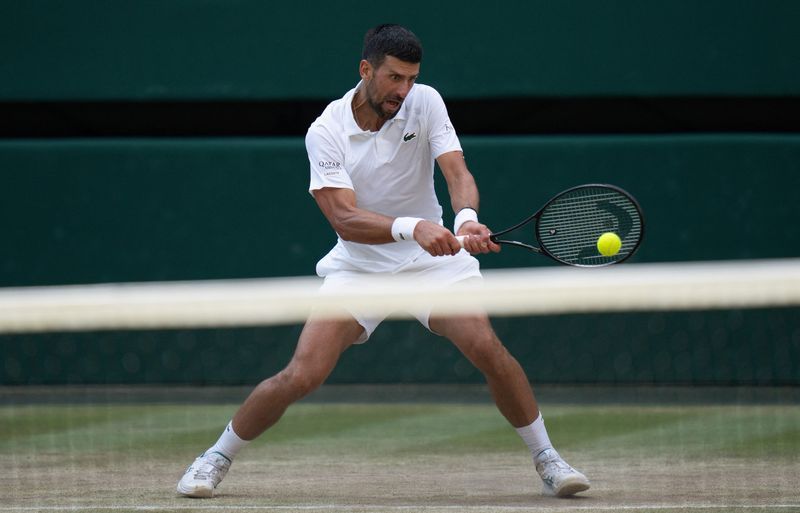
The Professional Tennis Players Association has escalated its warnings about player welfare in professional tennis, citing this week's high-profile withdrawals from the Canadian Open as a stark illustration of how the sport's gruelling schedule and inadequate recovery periods are driving a surge in injuries across the circuit.
World number one Jannik Sinner and 24-times Grand Slam champion Novak Djokovic both withdrew from the men's draw in Montreal, while American rising star Carlos Alcaraz sat out with a wrist injury and Canadian favourite Felix Auger-Aliassime pulled out due to back problems. The women's tournament has similarly been depleted, with defending champion Victoria Mboko absent alongside Wimbledon finalist Karolina Muchova, Emma Raducanu and Jasmine Paolini all sidelined through injury. These are not marginal figures but rather the athletes who drive attendance, television ratings and sponsorship revenue—yet even they are unable to compete.
The PTPA's statement, released as the tournament's quarter-final rounds began, described the withdrawals as predictable consequences of structural problems within professional tennis rather than isolated incidents. The organisation has long maintained that tournament operators and governing bodies have prioritised short-term commercial objectives over competitor longevity and health. This argument has shifted from theoretical concern to data-driven alarm following analysis the PTPA conducted in collaboration with its medical director, Dr. Robby Sikka, examining injury patterns across more than 30,000 professional matches spanning eight years.
The injury statistics paint a concerning picture of deteriorating player wellness. According to the PTPA's findings, upper-body injuries have surged 42% in the first quarter of 2026 relative to the same period in 2025, while arm injuries have climbed even more dramatically, jumping 112% compared with last year's average. These are not minor strains or muscle tightness requiring a few days rest but rather injuries sufficiently serious to force elite athletes—individuals whose careers and earnings depend on competing—to withdraw from prestigious tournaments. For Malaysian and Southeast Asian tennis enthusiasts who follow players like Sinner and Djokovic, these withdrawals represent a diminished spectacle and underscore vulnerabilities in how modern professional tennis is structured.
The crisis has been exacerbated by structural changes implemented by the ATP Tour under its OneVision strategic plan. Beginning in 2025, seven of the ATP's nine Masters 1000 events—the second-tier competitions that form the backbone of the professional calendar—expanded from traditional 10-day formats to 12-day tournaments. While tournament organisers framed this expansion as enhancing player opportunity and fan experience, the PTPA argues it has had the opposite effect. The additional days do not translate to additional recovery time; instead, they compress the already tight windows players have between tournaments for rest, training and travel. Tournament officials acknowledge that late withdrawals from these Masters events have become a systemic problem rather than occasional exceptions.
The schedule restructuring represents a broader philosophical tension within professional tennis. Tournament operators and broadcasters benefit commercially from extended events and a densely packed calendar that keeps tennis continuously in the media spotlight. The ATP has previously countered criticism by noting that players technically retain discretion over which tournaments to enter and that the tour is working to calibrate incentive structures to encourage appropriate competitive engagement. Yet this framing overlooks the reality that elite athletes face intense pressure to participate—skipping tournaments risks losing ranking points, sponsorship favour and commercial opportunities, even as their bodies accumulate damage from insufficient recovery.
The PTPA's position reflects growing frustration within player ranks that warnings about scheduling intensity have been dismissed for years without meaningful reform. Players have consistently raised concerns about the calendar's demands, yet change has been incremental at best. The organisation now calls for a fundamental reset: reversing the 12-day Masters 1000 format, reducing mandatory tournament commitments to allow adequate rest periods, and crucially, granting players substantive input into calendar decisions. This last point reflects a democratic argument that those bearing the physical burden of the schedule should have meaningful voices in shaping it rather than being passive subjects of decisions made by administrators and commercial interests.
The PTPA's emphasis on a "player-health and data-driven approach" signals a shift in how the injury debate is framed. Rather than abstract arguments about wellness, the association now deploys epidemiological evidence documenting rising injury rates correlated with schedule intensification. This evidentiary approach may carry greater weight with ATP leadership and tournament operators who might otherwise dismiss welfare concerns as special pleading. The data also carries implications for the sport's long-term viability; if elite athletes cannot sustain careers without recurring serious injuries, the talent pipeline may narrow and the quality of competition could ultimately suffer.
For regional audiences in Malaysia and Southeast Asia, these developments carry particular resonance given growing investment in tennis infrastructure and player development across the region. If the professional circuit's structure systematically damages players' bodies and careers, it dampens incentives for emerging athletes to pursue tennis at elite levels. Countries developing homegrown talent and investing in training academies need confidence that a professional career remains sustainable and rewarding. The Canadian Open withdrawals and underlying injury data suggest that current scheduling structures make this confidence difficult to justify.
The ATP and WTA Tours have not yet responded substantively to the PTPA's latest critique, though their previous statements emphasise player agency and ongoing schedule optimisation efforts. However, with quarter-final matches beginning and multiple marquee names absent, the tournament itself has become a visual argument for calendar reform. The PTPA's closing appeal—that "protecting players isn't just about today's competitors, it is about protecting the future of tennis"—framing the issue as generational stewardship rather than merely contemporary welfare, may prove rhetorically powerful in coming negotiations over the sport's structural future.

