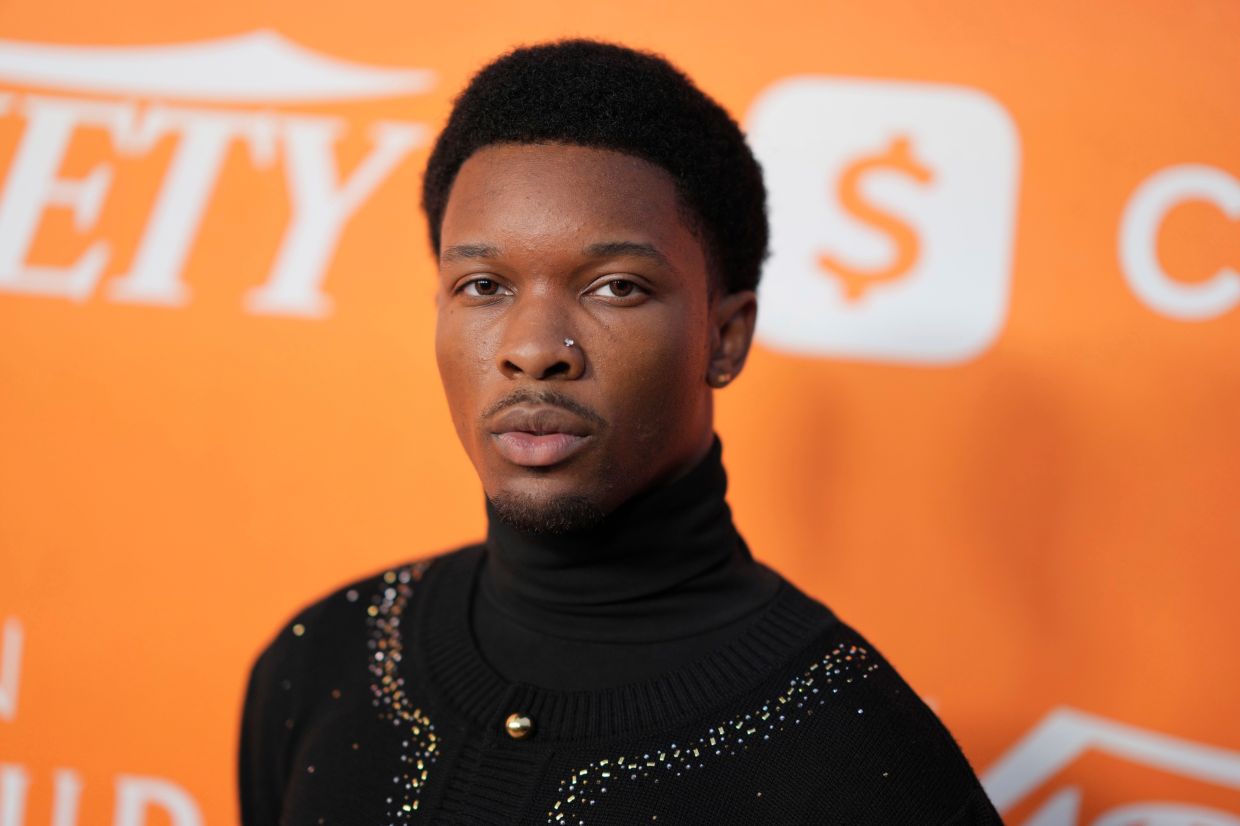
A California court has heard graphic testimony about the discovery of a teenage girl's remains in the trunk of a car belonging to US singer D4vd, whose real name is David Anthony Burke. Los Angeles Police Detective Joshua Byers provided evidence during a preliminary hearing on July 21 that when officers opened the vehicle at a tow yard, the body of Celeste Rivas Hernandez was in such an advanced state of decomposition that identifying facial features was impossible. The gruesome discovery came just days before what would have been the girl's 15th birthday in September 2025, shocking the entertainment industry and raising troubling questions about safeguarding vulnerable young people in the music business.
Byers recounted the disturbing scene for the court, explaining how he immediately identified a distinctive odour characteristic of a decomposed corpse when accessing the vehicle. Photographs presented during the hearing revealed the girl's remains had been separated into multiple bags, with her head and torso placed in one container and her limbs in another. The detective testified that the decomposition was so extensive that skin deterioration, known in forensic terminology as skin slippage, rendered facial recognition impossible. The remains also showed significant insect activity, with multiple life stages of flies and maggot colonies present, providing investigators with crucial information about the timeline of death.
Prosecutors have alleged that Burke initiated a sexual relationship with the victim when she was merely 13 years old, having first met her three years prior when she was just 11. According to charging documents, the relationship was illegal and long-standing, spanning several years. The girl's mother had reported her missing in 2024 when she was still a young teenager, highlighting how the exploitation remained hidden for an extended period. During body camera footage played in court on July 21, Burke claimed the girl had told him she was 18 years old, though he acknowledged others had said she was 13, presenting a troubling defence in what prosecutors characterise as a clear case of statutory rape and child abuse.
The prosecutor's theory of motive centres on Burke's apparent panic over exposure of the relationship. Charging papers allege that Burke murdered the girl after she threatened to reveal details of their illegal relationship, fearing the disclosure would damage his lucrative music career. To support this narrative, prosecutors called Benjamin Greger, Burke's former financial manager, to testify about the singer's substantial income from his work in the music industry. Greger provided evidence that between 2023 and 2025, Burke earned between US$10 million and US$11 million in gross income from his music, establishing a powerful financial incentive to silence the victim.
The significance of this case extends beyond the individual crime, raising broader concerns about power imbalances within the entertainment industry and the vulnerability of young fans and acquaintances of celebrities. The initial meeting between Burke and the victim when she was still in primary school raises questions about supervision and the potential for grooming behaviour to develop unchecked. The three-year gap between initial contact and the commencement of sexual abuse follows a troubling pattern documented in cases of child exploitation, where predators gradually build trust and isolate victims before escalating physical contact.
Burke, appearing in court wearing an orange prison jumpsuit, remained unmoved when the photographs of the remains were displayed, a reaction prosecutors may use to characterise him as callous and unremorseful. He has formally denied one count of murder, multiple counts of continuous sexual abuse of a child under 14 years of age, and unlawful mutilation of human remains. Should he be convicted on all charges, Burke faces either life imprisonment or capital punishment, reflecting the severity with which the American legal system treats such offences.
The preliminary hearing, during which a judge will determine whether sufficient evidence exists to proceed to trial, is expected to last between three and five days according to Los Angeles chief prosecutor Nathan Hochman. Hochman expressed confidence that prosecutors would successfully meet the evidentiary threshold of probable cause, stating to reporters that they believed they would accomplish this burden on all three felony charges. This hearing stage will provide the defence with an opportunity to contest the evidence and potentially challenge its admissibility before the case advances further through the judicial system.
For Malaysian and Southeast Asian observers, this case illustrates the global nature of predatory behaviour and the importance of international awareness around child protection standards. The music industry's international reach means that young followers in developing nations may be particularly vulnerable to exploitation by foreign celebrities with whom they develop parasocial relationships online or through social media. The case also highlights the delays that can occur in reporting such crimes, as the girl's disappearance was not reported until months after the abuse had begun, a common occurrence when victims have been psychologically manipulated or isolated from support networks.
The handling of this case by the Los Angeles courts and prosecutors will likely influence how similar matters are investigated and prosecuted in other jurisdictions, including in Southeast Asia where awareness of digital-age child exploitation continues to develop. The reliance on forensic evidence and financial motive in this case demonstrates modern investigative techniques that are increasingly being adopted by law enforcement agencies across the region. As the preliminary hearing progresses and more evidence emerges, the case will continue to serve as a stark reminder of the hidden threats that can emerge from seemingly innocuous celebrity encounters.

