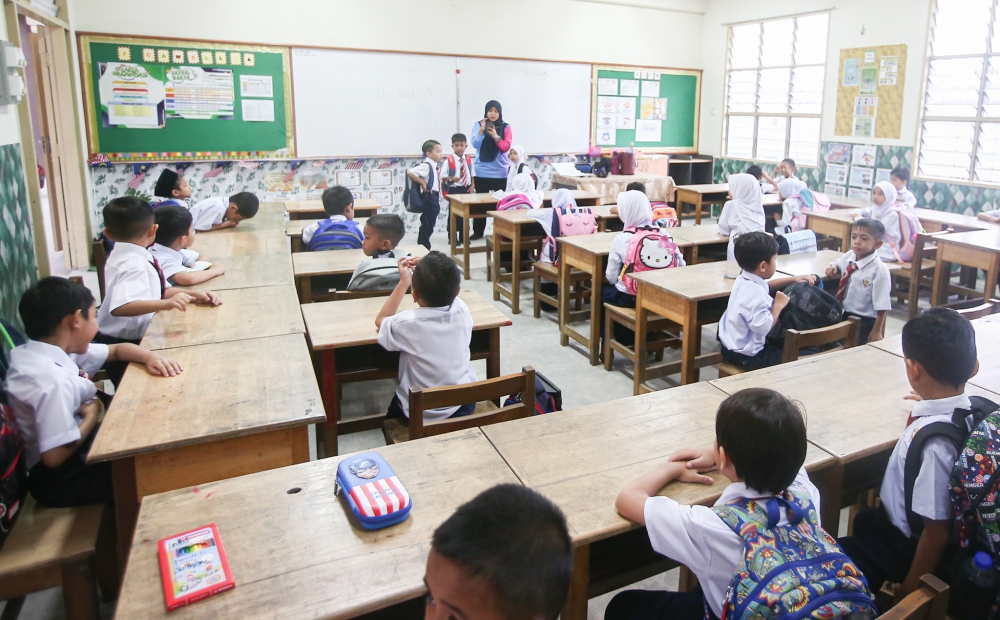
Malaysia's National Union of the Teaching Profession has publicly endorsed legislative measures to shield educators from legal and reputational threats arising from disciplinary actions in schools. The union's backing highlights a growing professional concern that teachers face mounting obstacles when attempting to enforce classroom standards, with many becoming increasingly hesitant to take necessary corrective measures against students.
The protective framework being championed addresses a multifaceted problem facing the education sector. Educators report that litigation threats have escalated in recent years, with parents increasingly filing lawsuits against teachers for actions taken during normal disciplinary procedures. Simultaneously, the rise of social media has created new vulnerabilities, as online backlash can rapidly amplify isolated incidents into viral controversies, damaging professional reputations and creating psychological pressure on teaching staff.
This defensive posture among teachers has troubling implications for classroom management and student conduct. When educators become apprehensive about enforcing established rules, the boundaries that structure learning environments begin to erode. Students may sense this hesitation and test behavioural limits more aggressively, while teachers struggle with the knowledge that acting decisively could trigger formal complaints or public shaming campaigns. The result is a chilling effect on discipline that ultimately undermines pedagogical effectiveness and school order.
The union's advocacy reflects broader anxieties within the teaching profession about shifting social attitudes toward authority and accountability. Parents increasingly question teacher judgement and seek recourse through legal channels rather than accepting school-based resolutions. Some cases have reached courtrooms where judges have scrutinised teacher conduct with the same rigour applied to professionals in other fields, despite the unique contextual complexities of classroom management. Teachers, lacking the institutional protections afforded to other public sector professionals, find themselves personally exposed when decisions are contested.
Online harassment compounds these institutional vulnerabilities. A single photograph or parent account posted to social media can generate thousands of comments within hours, creating a trial-by-public-opinion dynamic that operates independently of facts or context. Teachers described in inflammatory terms online may face professional consequences even when investigations later exonerate them. The digital nature of such attacks makes them impossible to contain, unlike previous generations when a disputed incident might remain local.
The proposed Teachers' Protection Act seeks to create legal scaffolding that permits educators to carry out disciplinary functions without fear of frivolous litigation or coordinated harassment campaigns. Such legislation would establish clearer boundaries around what constitutes permissible disciplinary action and presumably shield teachers from civil liability when they act within those parameters in good faith. Precedent exists internationally, with several Commonwealth nations offering statutory protection to educators performing legitimate professional duties.
For Malaysian readers, this debate intersects with longstanding tensions about education quality and parental oversight. Schools depend on functioning authority structures to maintain the stable environments necessary for teaching and learning. When teachers withdraw into defensive positions, refusing to address behavioural problems for fear of consequences, educational standards deteriorate for all students. Yet parents understandably want assurance that disciplinary actions remain proportionate and appropriate.
The union's position also carries political weight in Malaysia's ongoing discussion about civil service protection and professional autonomy. Teachers occupy a unique space within the public sector, serving as state employees yet facing external pressures from individual families and social media communities. The Teachers' Protection Act represents an attempt to rebalance this equilibrium, restoring a degree of professional discretion that the union argues has been eroded by legal and reputational risks.
Implementing such protections requires careful calibration. Legislation must shield teachers engaging in legitimate, proportionate discipline while maintaining accountability mechanisms that prevent genuine abuse. The act would likely need to define permissible disciplinary approaches, establish notification requirements to parents, and create transparent complaint procedures. Without these safeguards, protection legislation could inadvertently shield misconduct while failing to address genuine parental concerns about excessive or inappropriate teacher behaviour.
South-East Asian education systems face comparable challenges as digital connectivity and changing family structures alter traditional dynamics between schools and homes. Malaysia's potential legislative response will be watched closely in the region as a test case for how nations can protect professional educators while maintaining accountability standards. The Teachers' Protection Act, if enacted, could influence how neighbouring countries approach similar tensions.
For students, the stakes matter considerably. Effective classroom discipline maintains the order necessary for learning while teaching important lessons about boundaries and consequences. When discipline becomes inconsistently applied or largely absent due to teacher anxiety, all students suffer, particularly those from disadvantaged backgrounds who rely most heavily on schools to provide structure and guidance. The union's advocacy thus reflects not merely professional self-interest but legitimate concerns about educational quality.
The conversation also reflects broader Malaysian workplace concerns about personal liability and online reputation damage affecting various professions. As social media amplifies disputes and litigation becomes more common, numerous professional groups face similar pressures. Teachers may simply be the first to seek formal legislative protection, but their concerns will likely resonate across the civil service and professional sectors more broadly.

