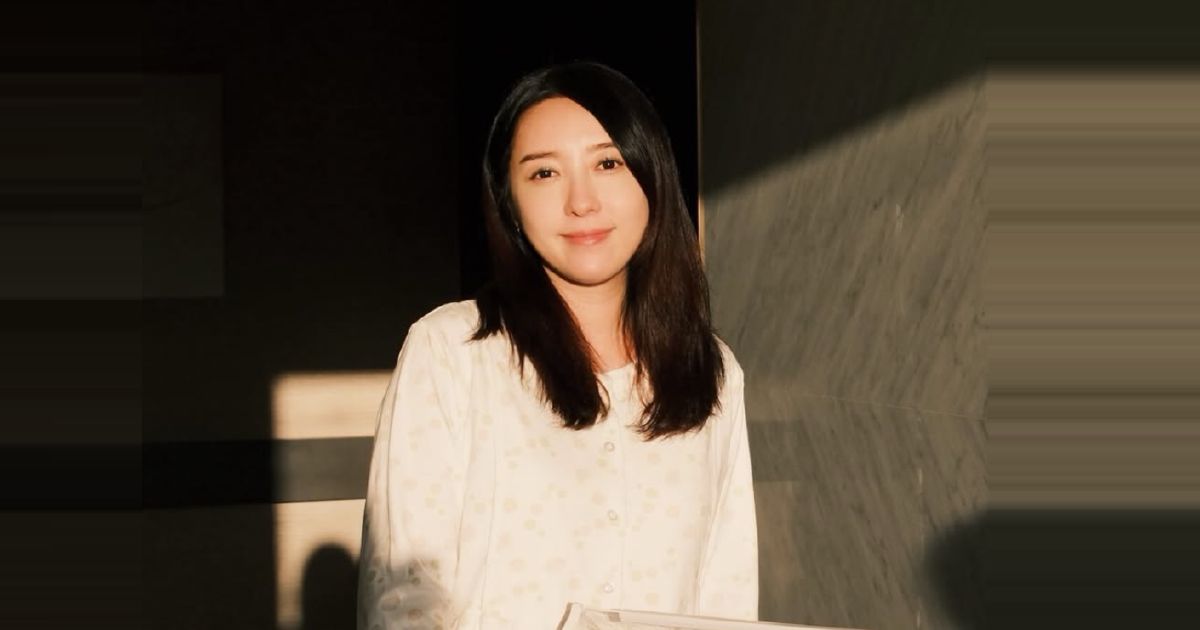
Taiwanese television and film actress Wu Xiong, known professionally under the stage name while her registered name is Tsai Yi-chen, was taken into custody at Kansai International Airport on August 22 following accusations that she caused damage to a protected cultural artefact at Yakushiji Temple in the Nara Prefecture region of Japan. The arrest marks a significant development affecting a performer who has maintained a presence across the Taiwan and East Asia entertainment landscape.
Yakushiji Temple stands as one of Japan's most historically significant Buddhist spiritual sites, with roots extending back centuries. The facility is recognised internationally for its architectural integrity and for housing multiple objects designated as national treasures under Japanese cultural protection frameworks. Such designations represent the highest level of official safeguarding for irreplaceable cultural property, and damage to these items carries serious legal consequences under Japanese law.
The circumstances surrounding the alleged incident at the temple remain under investigation by Japanese authorities. The nature of the damage and the specific artefact involved have become central points of inquiry as police piece together details of what transpired. International incidents involving cultural heritage damage often draw heightened scrutiny given the symbolic weight such properties carry for host nations and the potential diplomatic implications when foreign nationals are implicated.
The detention at Kansai International Airport, located in Osaka Prefecture and serving as a major international gateway for the Kanto and Kansai regions, underscores how routine travel proceedings can pivot toward legal complications. Airport security protocols and customs procedures intersect with law enforcement operations, creating situations where individuals may be intercepted before departure. The timing and circumstances of Wu Xiong's apprehension at this juncture suggest the allegations had already reached Japanese investigative authorities prior to her attempt to leave the country.
For Taiwanese entertainment industry observers, the incident raises questions about duty of care and professional responsibility that performers carry when working or travelling internationally. Taiwan maintains robust cultural ties with Japan across multiple sectors including film, television, and popular music, with many performers regularly crossing between jurisdictions for professional opportunities. The arrest of a prominent figure casts attention on the legal expectations that apply to visiting artists and the potential career ramifications of serious criminal allegations.
Japan's enforcement of laws protecting national cultural treasures has intensified in recent years as heritage preservation has gained prominence in public discourse. Intentional or negligent damage to designated objects can result in substantial penalties, including imprisonment and fines. The application of these provisions to international visitors sends a clear message about Japan's commitment to safeguarding cultural patrimony regardless of a defendant's nationality or professional status.
The incident occurs within a broader context of heightened awareness regarding cultural site etiquette and respect for protected environments. Social media has amplified instances of visitor misconduct at heritage locations, prompting temple authorities and government agencies across Asia to implement stricter protocols. Yakushiji Temple, as a major pilgrimage and tourist destination, undoubtedly receives thousands of visitors annually, making the alleged incident particularly notable given the access restrictions typically surrounding national treasures.
Taipanese authorities and entertainment industry representatives have likely begun examining the implications of Wu Xiong's detention for her professional commitments and legal standing. The case may influence how production companies and networks evaluate risk factors when engaging performers for Japanese location work or international projects. Insurance considerations and liability protocols governing cross-border entertainment activities may also come under review.
The investigation into Wu Xiong's case will unfold within Japan's legal system, which operates according to distinct procedural frameworks compared to Taiwan. Her access to consular support from Taiwan's de facto representative office in Japan will be significant as the case progresses through preliminary hearings and potential prosecution phases. The time investment required for legal proceedings could substantially disrupt her professional schedule across multiple markets.
Cultural heritage protection represents a shared priority across East and Southeast Asia, with each nation maintaining elaborate systems for identifying, preserving, and safeguarding objects of historical and artistic significance. Wu Xiong's arrest serves as a reminder that enforcement of these protections applies consistently to all individuals, regardless of professional standing or international prominence. The case will likely be monitored closely by entertainment industry stakeholders across the region as it develops through Japan's judicial system.

